Skopje Breathed Smoke From Two Mountains: 21 Fires in One Day, and Vodno Was Clean
25.08.2026


25.08.2026
24.08.2026

23.08.2026

25.08.2026

25.08.2026

24.08.2026

25.08.2026

25.08.2026

25.08.2026

25.08.2026

24.08.2026

23.08.2026

25.08.2026

25.08.2026
25.08.2026

25.08.2026

25.08.2026

25.08.2026

09.03.2026

27.02.2026

19.02.2026

23.04.2026

23.04.2026

12.04.2026
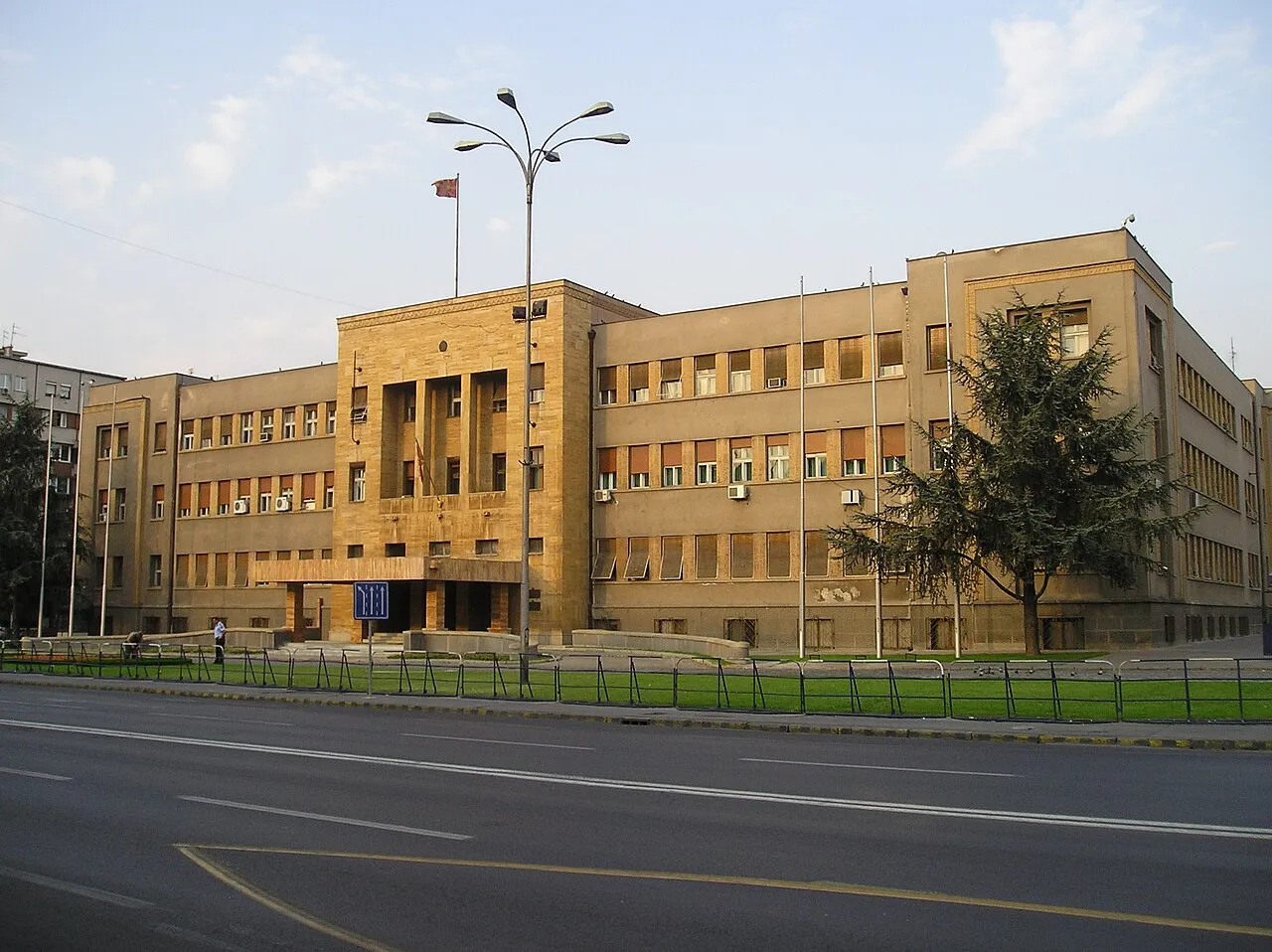
The new Electoral Code is stuck in Parliament yet again, and the usual political crossfire is playing out over who is to blame. VMRO-DPMNE accuses SDSM, Levica and DUI of jointly blocking the code - and claims the reason is their single-digit poll ratings and fear of an electoral defeat.
At the heart of the dispute is one concrete question: the vote of Macedonians living abroad. The government proposes that they be allowed to vote electronically or by post, to make exercising the right to vote easier. The opposition, above all SDSM, opposes such a model - it says it is not against the diaspora voting as a principle, but against a method that, it argues, opens the door to electoral fraud.
And here two legitimate concerns collide, ones rarely stated calmly. On one hand, Macedonians all over the world have the right to take part in their country's elections, and years of difficult access to voting have pushed them away from that right. On the other, any new voting method that is not properly secured genuinely can be abused - and electoral fraud in the Balkans is not theory, it is experience.
The problem is that neither side seems to want a solution more than it wants the other side to stay guilty. The EU has already called for consensus and the timely adoption of the code, since it is part of the reform commitments. But while the parties count poll ratings instead of votes, the code sits still, and the real loser is the voter - the one at home and the one abroad, who still does not know how they will vote at the next election. Who benefits from the deadlock? Answer that yourself.
The latest 10 news from this category
The fire was out, there was not a trace of it for a full day - then it flared again....
The isotope is brought from Istanbul, and talks are underway with Sofia. Filipche demands an immediate fix, VMRO-DPMNE answers with...
Legally the denial holds - Article 22 applies to every employer. But the question that created the story is not...
Grubi took his seat in the dock. The lottery's director has been on the run for two years, and the...
Prosecutors have closed the pre-investigation into the procurement. For the fire-safety failures there are already convictions - but nobody has...
Five or six points covering two years, plus the contrast clearly designed to stick: wages and pensions versus a new...
The offer costs nothing as long as nobody takes it up - and if it is taken up and lost,...
SDSM alleges kickbacks of 300,000 euros, VMRO-DPMNE replies that the house belongs to the father. Questions about bribery and tenders...
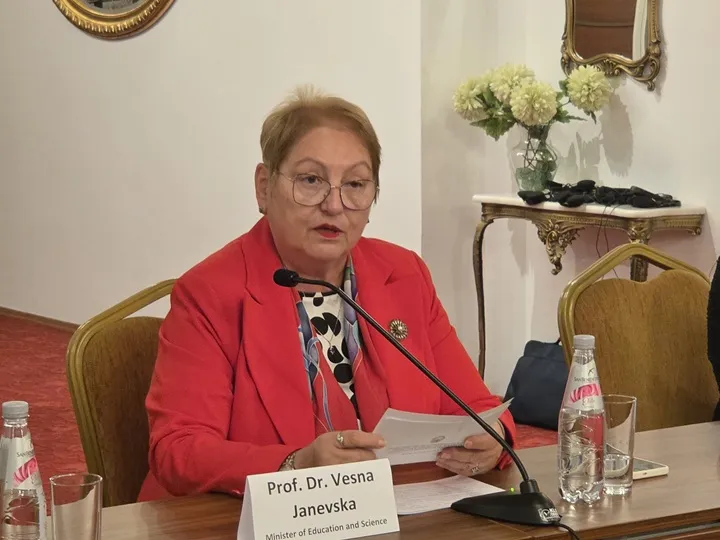
The opposition alleges a campaign against school heads who are not party loyalists; the ministry calls it manipulation. The education...
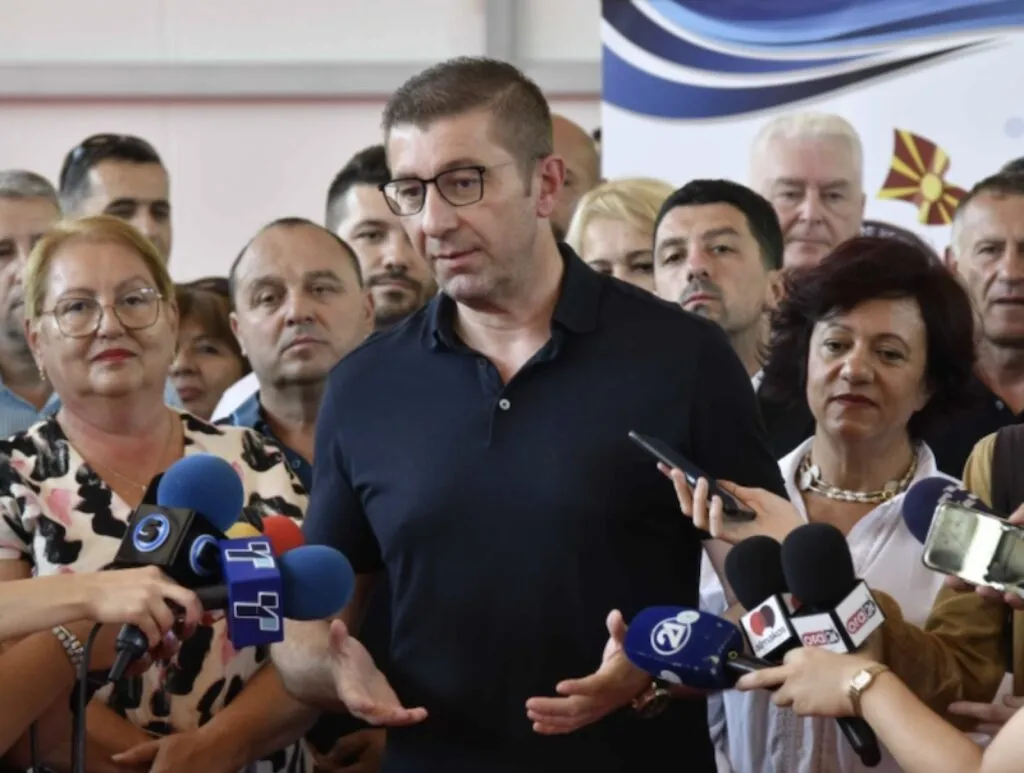
Three people are in custody, the investigation is ongoing, and the press releases revolve around who failed to mention whom....
This site uses cookies - is that okay? Learn more
Be the first to know when Metla launches something new
Leave your email and we will write when there is a new guide or something new on Metla.