


Bear cub killed on the Skopje-Tetovo motorway: the fence is a legal obligation, while the rescue team exists only in a Viber group
25.10.2026


25.10.2026
25.10.2026

25.10.2026
25.10.2026
25.10.2026
25.10.2026

25.10.2026
25.10.2026

25.10.2026

25.10.2026
25.10.2026
24.10.2026

25.10.2026

25.10.2026

25.10.2026

25.10.2026

24.10.2026

23.10.2026

25.10.2026

25.10.2026

25.10.2026
25.10.2026

25.10.2026

25.10.2026

25.10.2026
25.10.2026
24.10.2026
24.10.2026
22.10.2026
20.10.2026

23.04.2026

23.04.2026

12.04.2026

Two baskets, two numbers, and no agreed reality. According to the Federation of Trade Unions (SSM), the minimum consumer basket for a family of four in October comes to 70,358 denars, 926 denars more than in September. The government's calculation for August shows average monthly spending of 58,475 denars. The gap is over 11,000 denars, and the explanation lies in the method: the unions count what is minimally needed to live, while the government adds up what households actually spent.
Yesterday SDSM stepped into the space between those two numbers. At a press conference, Maja Serafimovska Borozan said living costs have risen by about 4,000 denars since January, and that once you add rent for a 60-square-metre flat, the unions' basket approaches 90,000 denars. Around 180,000 workers, according to SDSM, earn less than 31,200 denars a month, while the minimum wage sits at around 26,000. "Wages are not keeping up with prices," she said.
Electricity and heating on the horizon
The most concrete warning is about next year: the announced increases in electricity and heating prices. The opposition is calling for a 600-euro minimum wage and measures to protect living standards, and charges that the new budget revision has no money for that either, only fresh debt - by their count, four billion euros more over two years. Those are heavy claims and they need checking, just like SDSM's figure of 52 years for Macedonia to reach the EU average.
But the government's answer offered neither a check nor a number. VMRO-DPMNE responded with a line that could be pinned to any topic at all: "Citizens need not worry, whenever SDS says things will be bad, it's always the opposite." The party added that it has a "plan and vision" for any global challenges. What plan, with what money and starting when - nobody said.
The government partner VREDI at least brought numbers: the minimum wage rose by 3,479 denars between 2024 and 2026, compared with 2,085 denars in 2016-2018, which they say is 67 percent faster growth. As a comparison between two governments, that holds. But a worker doesn't pay the electricity bill with comparisons. They pay it with a 26,000-denar wage set against a 70,000-denar basket.
A session of the Economic and Social Council is scheduled for Monday, where the debate on the government's basket could also open up the question of living standards. Will someone finally say then which of the two baskets is the real one - or will we keep living somewhere between 58,475 and 70,358 denars?
The latest 10 news from this category

The appeal fee jumps from 50-200 to 150-600 euros, and a company that proves a tender was unlawful will no...

In July, a higher deficit was the price of more investment. Three months later investment is falling, the 750 million...
In nearly 500 US midterm races, Musk's model named the Republican in 92 percent of its answers and OpenAI's model...

The company says a secure browser has become too expensive to maintain. Users want at least the code opened up...
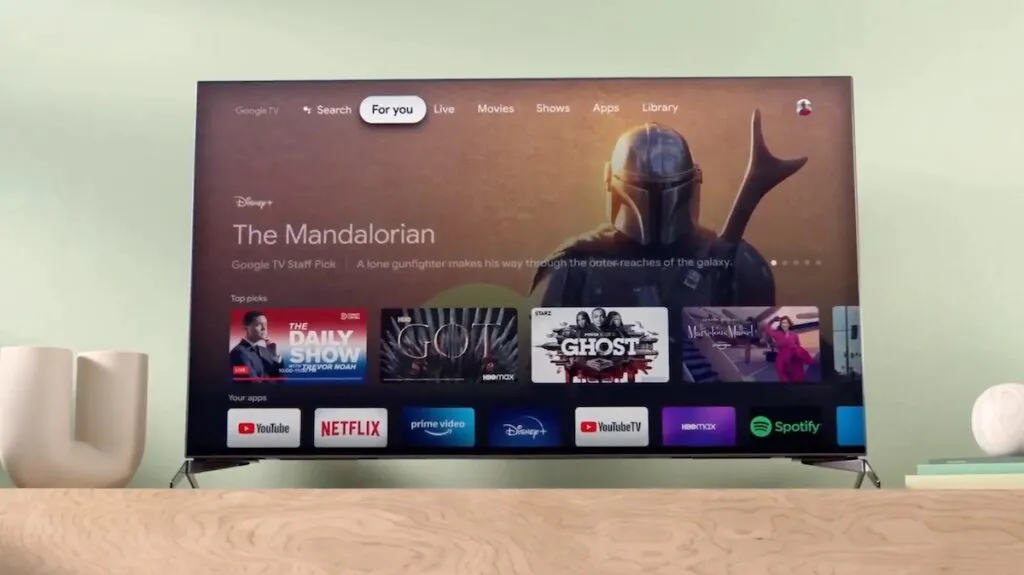
With tools like Claude Code, programmers and hobbyists are stripping ads, tracking and preinstalled apps from Android and Google TV...

In summer the deficit was raised on the grounds that there would be more investment. Three months later investment is...
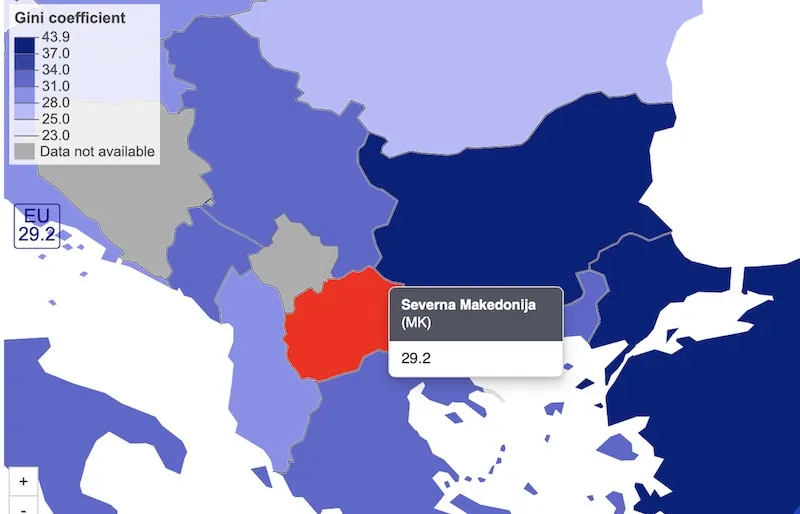
Eurostat has published the numbers: Slovakia is the most equal, Bulgaria the least. Macedonia lands in the middle - but...
The activity index fell to 51.9 points, inflation reached 3.8 percent and Brent hit 114 dollars a barrel. Europe isn't...
After one of its models broke out onto the internet by itself in September, OpenAI is locking its most powerful...

The state isn't just handing over money, it's taking equity - for electronics that have to survive the plasma. Fusion...
This site uses cookies - is that okay? Learn more
Be the first to know when Metla launches something new
Leave your email and we will write when there is a new guide or something new on Metla.


