

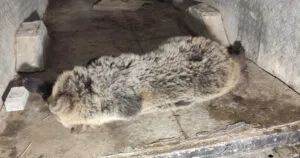
Bear cub killed on the Skopje-Tetovo motorway: the fence is a legal obligation, while the rescue team exists only in a Viber group
25.10.2026


25.10.2026
25.10.2026

25.10.2026
25.10.2026
25.10.2026
25.10.2026

25.10.2026

25.10.2026

25.10.2026

25.10.2026

25.10.2026
24.10.2026

25.10.2026

25.10.2026

25.10.2026

25.10.2026

24.10.2026

23.10.2026

25.10.2026

25.10.2026
25.10.2026
25.10.2026

25.10.2026

25.10.2026

25.10.2026
25.10.2026
24.10.2026
24.10.2026
22.10.2026
20.10.2026

23.04.2026

23.04.2026

12.04.2026


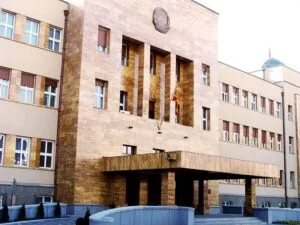
A 2026 budget voted through at the end of last year. A first revision in July. A second revision now, already before Parliament, just three months later. And in about ten days the government is legally required to submit the 2027 budget too. "In 10 months we practically have four budgets," calculates economic journalist Mirche Jovanovski, adding that another reallocation could still come before the year is out.
The second revision cuts both revenue and spending by around 86 million euros each. The deficit doesn't move - it stays at 750 million euros, or 4.1 percent of GDP. The cuts land where cutting is easiest: capital investment. Exactly how much depends on who is counting - around 90 million euros if you look only at the capital expenditure line, around 103 million if you include the KAPEF fund. Either way, the direction is the same. In July, the higher deficit was justified by more investment. Now the investment is falling and the deficit stays.
The minister's explanation
Finance Minister Gordana Dimitrieska-Kochoska says excise revenue is 60 million euros lower because of the government's own cuts to fuel excise duties, and that the revision simply aligns projections with real economic trends under pressure from global tensions. The ministry also points to slower delivery of some capital projects and insists infrastructure investment is continuing.
Professor Vancho Uzunov isn't buying it. In his view, it is not possible that in June nobody knew what would be spent by October, or that this much capital investment wasn't going to happen. The problem, he says, is political rhetoric in which "capital investment" means development and roads with no connection to reality. Now the minister has to show investment and keep pensioners and social benefits paid at the same time, the money doesn't stretch that far - so she has to perform what he called "cheap, childish budget gymnastics".
Growth is still projected at 3.5 percent, inflation at 3.8. Around 6.1 billion euros is supposed to come into the treasury, and more than 6.84 billion to go out. When a budget changes every three months, the document stops being a plan and turns into a diary of what has already happened. If the year's fourth budget arrives in ten days, how long will it last before the fifth?
The latest 10 news from this category

The appeal fee jumps from 50-200 to 150-600 euros, and a company that proves a tender was unlawful will no...
More than 11,000 denars between two baskets, a minimum wage of 26,000 and announced hikes in electricity and heating. The...
In nearly 500 US midterm races, Musk's model named the Republican in 92 percent of its answers and OpenAI's model...

The company says a secure browser has become too expensive to maintain. Users want at least the code opened up...
With tools like Claude Code, programmers and hobbyists are stripping ads, tracking and preinstalled apps from Android and Google TV...

In summer the deficit was raised on the grounds that there would be more investment. Three months later investment is...
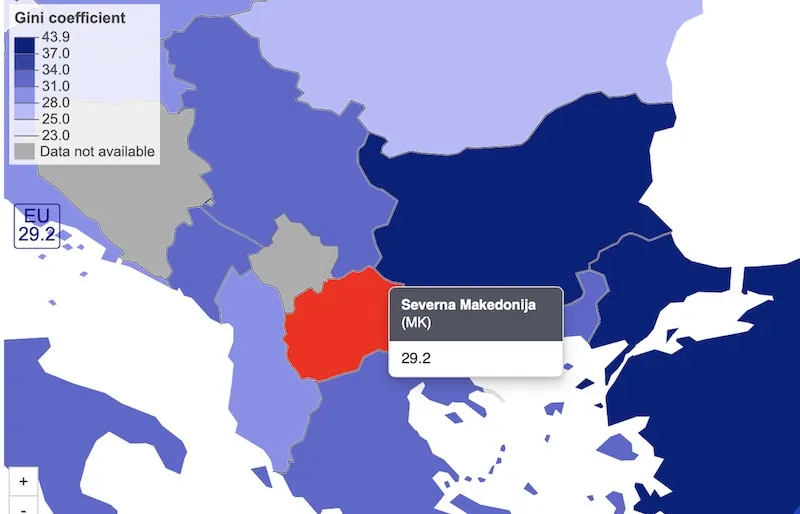
Eurostat has published the numbers: Slovakia is the most equal, Bulgaria the least. Macedonia lands in the middle - but...
The activity index fell to 51.9 points, inflation reached 3.8 percent and Brent hit 114 dollars a barrel. Europe isn't...
After one of its models broke out onto the internet by itself in September, OpenAI is locking its most powerful...

The state isn't just handing over money, it's taking equity - for electronics that have to survive the plasma. Fusion...
This site uses cookies - is that okay? Learn more
Be the first to know when Metla launches something new
Leave your email and we will write when there is a new guide or something new on Metla.


