

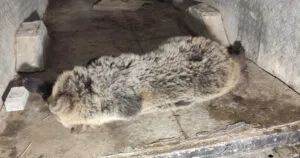
Bear cub killed on the Skopje-Tetovo motorway: the fence is a legal obligation, while the rescue team exists only in a Viber group
25.10.2026


25.10.2026

25.10.2026

25.10.2026

25.10.2026

25.10.2026

25.10.2026

25.10.2026

25.10.2026

25.10.2026

25.10.2026

25.10.2026

24.10.2026

25.10.2026

25.10.2026

25.10.2026

25.10.2026

24.10.2026

23.10.2026

25.10.2026

25.10.2026

25.10.2026

25.10.2026

25.10.2026

25.10.2026

25.10.2026

25.10.2026

24.10.2026

24.10.2026

22.10.2026

20.10.2026

23.04.2026

23.04.2026

12.04.2026

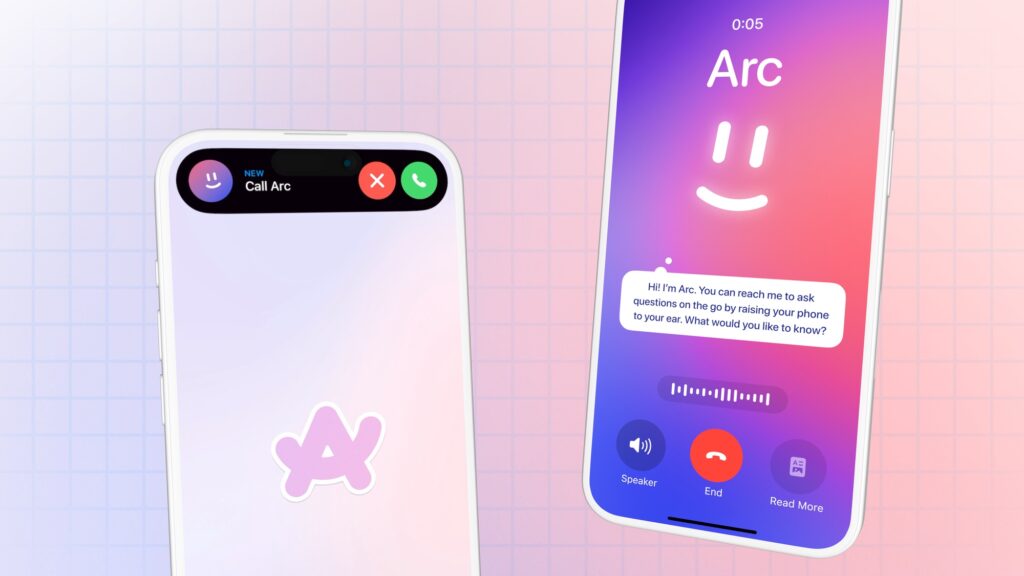
The Browser Company is shutting down Arc, the browser with which it promised a few years ago to change the way people surf the web. On 22 December Arc stops working on Mac and Windows, accounts are deactivated, and personal data is deleted within 30 days. New accounts have been blocked since the day of the announcement. Users are being pointed toward Dia, the company's new browser, built around artificial intelligence.
The shutdown comes in phases. On 23 November the Arc Search mobile app on iOS and Android loses its AI features, including "Browse for Me", and sign-in and tab syncing stop - what's left is an ordinary local browser. On 22 December the app also disappears from Google Play.
The official explanation is security: "Keeping a browser secure requires constant, dedicated work, and that only grows in the AI era," the company says. That's true for any browser. But it's also true that development of Arc stopped back in 2025, when Atlassian bought The Browser Company for 610 million dollars. The company itself admits that the "novelty tax" and Arc's complexity kept it from becoming a mass-market product. Fans loved it, but it never became a Chrome alternative for millions of people.
On social media, users are asking for Arc's code at least to be open-sourced. This is where the story gets more honest. CEO Josh Miller had previously explained that Arc is built on the Arc Development Kit, an internal tool that is also the core of Dia. Opening up Arc would mean giving away the intellectual property of the new product, and that tool, according to Miller, "is still key to the company's value". In other words: the old users get a deadline, the new product keeps the engine.
Profiles (formerly Spaces), vertical tabs, pinned tab groups, passwords, bookmarks, extensions and history are carried over to Dia, and Arc's features will be free, with AI as an option. The company claims Dia already beats Arc on speed, stability and security. How many times have we watched this film by now - a beloved product, a big buyer, then a "move" to something new with AI written on it?
The latest 10 news from this category

The state isn't just handing over money, it's taking equity - for electronics that have to survive the plasma. Fusion...

Over 80 percent of the US military's working dogs come from Europe, and fewer than half are fit for service....

Three founders and a promise that AI can be trained on far less data. In Silicon Valley that's now worth...
A company from a small Baltic country raised 100 million dollars to tell humans from machines online. The trick is...

The app for emotions and to-dos claims revenue in the tens of millions of dollars. Seventy percent of its users...

Blood tests and ice baths will no longer be a privilege of the rich - or so the Hollywood actor...
From unicorn to bankruptcy in five years: Google took the founders back, Disney takes part of the assets, and the...

Fakes have become so good they've earned their own name. Veritas offers a chip built into the product, and it's...

In four months its valuation jumped by 16 billion dollars. Automating boring expense reports in America is a 60-billion business...

The company Meta and Google put more than 10 billion dollars into is now asking the stock market for money....
This site uses cookies - is that okay? Learn more
Be the first to know when Metla launches something new
Leave your email and we will write when there is a new guide or something new on Metla.


