


Kratovo man stabs police officer mid-intervention: prosecutors want the 40-year-old detained
15.09.2026


15.09.2026

15.09.2026

15.09.2026

15.09.2026

15.09.2026

15.09.2026

15.09.2026

14.09.2026

13.09.2026

15.09.2026

15.09.2026

14.09.2026
15.09.2026
15.09.2026
15.09.2026

15.09.2026

14.09.2026
13.09.2026

15.09.2026

15.09.2026

15.09.2026

15.09.2026

15.09.2026

14.09.2026

09.03.2026

27.02.2026

19.02.2026

14.09.2026

14.09.2026

13.09.2026

23.04.2026

23.04.2026

12.04.2026

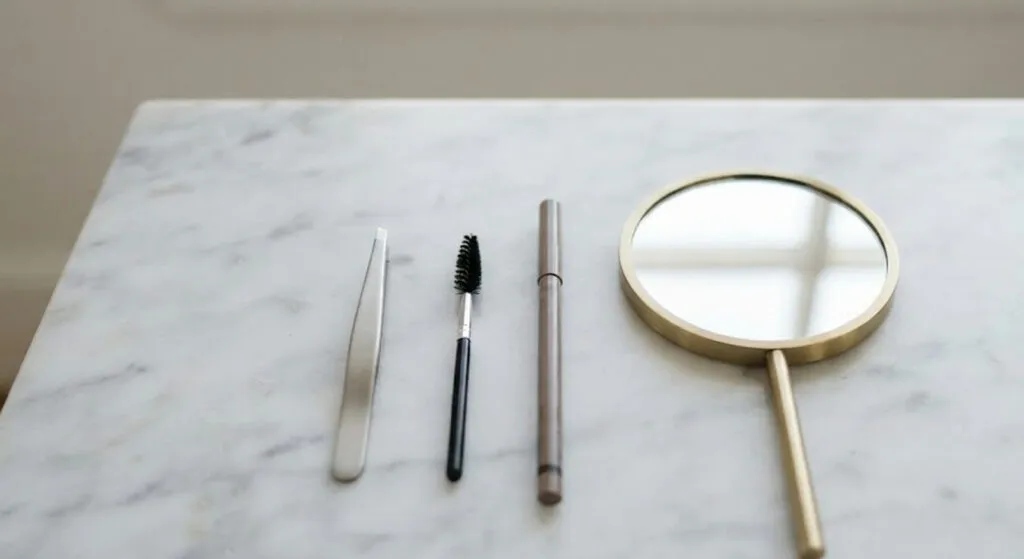
For years beauty salons have been selling the same formula: the brow should be lifted, the tail pulled upwards, the arch pronounced. We all know the result - a face that looks permanently surprised or permanently angry. A study published in the Aesthetic Surgery Journal says the audience actually wants something else.
The study is titled "Beauty Lies in the 'Eyebrow' of the Beholder" and was led by Jeffrey E. Schreiber. The method was simple: respondents were shown photographs and picked the ones they found attractive. Then researchers measured what the eyebrows of the chosen faces had in common - height, arch, thickness, position.
What the answers showed
Attractive eyebrows, according to the results, sit lower than professionals recommend. The arch is discreet, with a soft curve. The thickness is medium - neither a thin line nor a violently drawn block. And the tail does not go up; it sits slightly further out from the iris, with no lift.
Plastic surgeon Steven Dayan, commenting on the findings, puts it directly: it is probably "lower and more natural than we think". As for the heavily lifted tails - the so-called "fox eye" brows that have been circulating online for years - he says respondents rated them as very unattractive. They look severe and rigid.
Why the industry does not say so
This is where the arithmetic gets interesting. A lower, more natural brow means fewer interventions. Fewer interventions mean fewer appointments, fewer products, fewer services repeating every three weeks. The perfectly natural brow is the one that bills the least - which may explain why the recommendation has run in the opposite direction for decades.
This does not mean the salons are lying. It means a trend requiring constant upkeep has better business logic than a trend that asks to be left alone. The difference between those two things never appears on a price list.
What is left from the research is uncomfortably simple: the thing we pay to fix was probably already right before we started.
The latest 10 news from this category
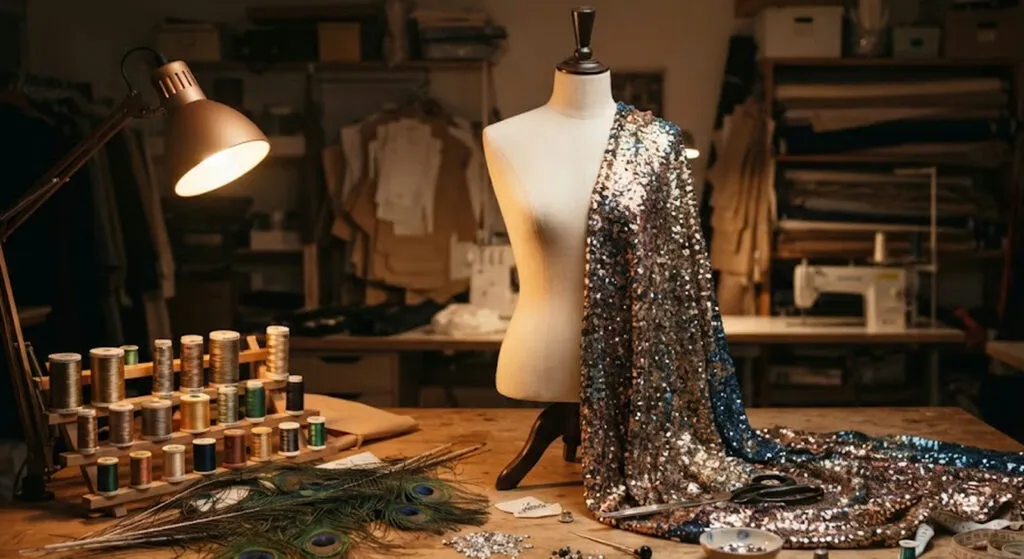
Bob Mackie died at 87 with nine Emmy awards and one Tony that arrived fifty years late. Miley, Zendaya and...
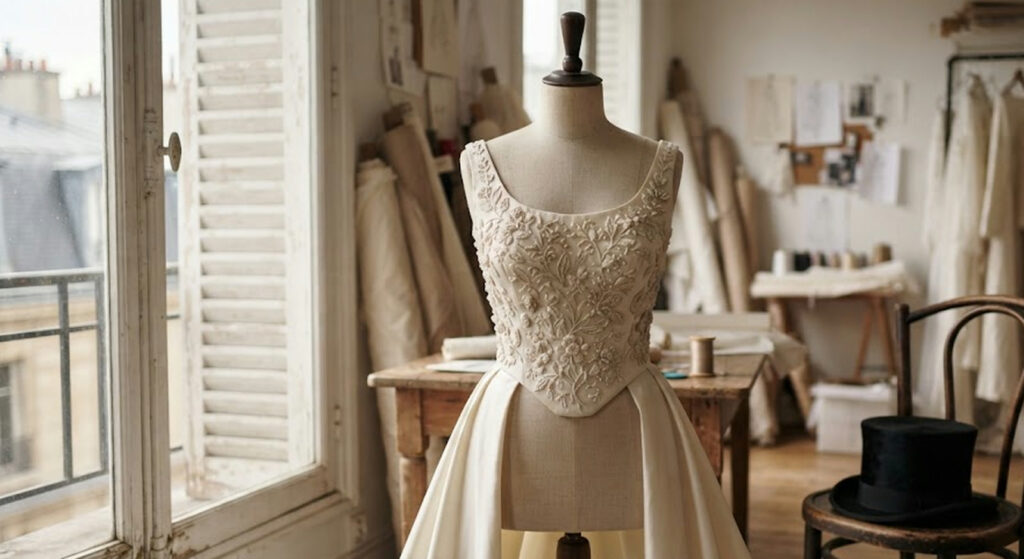
The only strict rule came from the groom, not from protocol. Everything that counted for anything that day was either...

For years she sat in the front row in Paris, Milan and London. Now she has stepped onto the runway...

The most repeated hair tip on the internet has a narrow, real effect and one important prohibition almost nobody mentions....

A veil for the ceremony, tulle gloves for lunch, the hem removed for dancing. The bouquet held exactly 27 white...
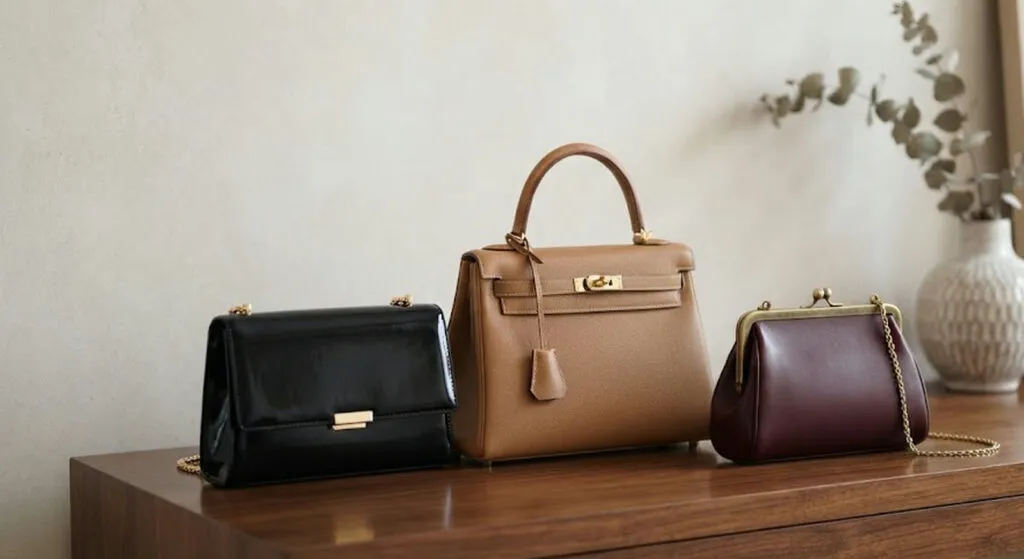
The meaning is not that they have to carry it. The meaning is that behind them stands a team that...

The industry moved from one big procedure to a subscription. That is called progress, but it is worth knowing before...
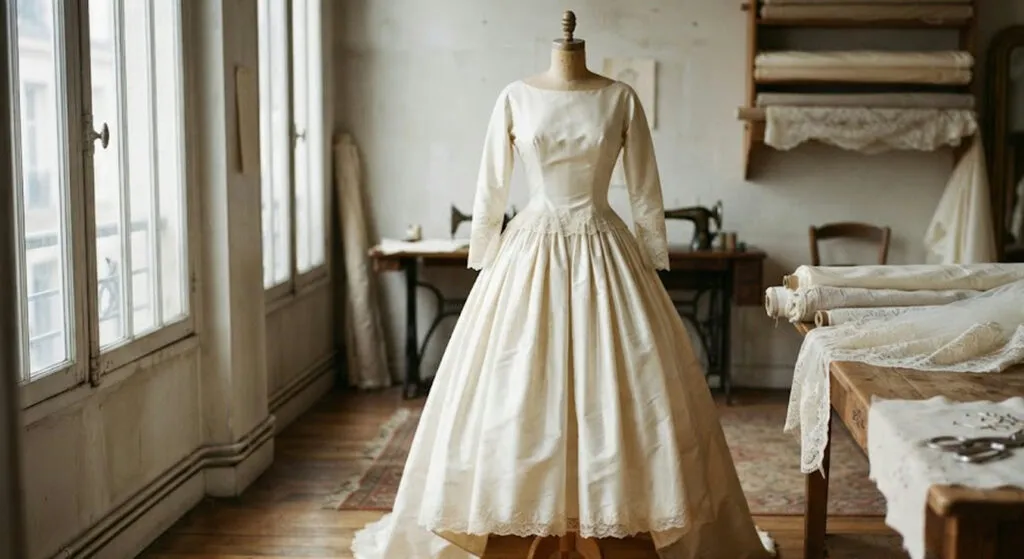
Twelve hundred guests, a five-tier cake and an exclusive photographer. For the woman who sewed the dress - two words,...
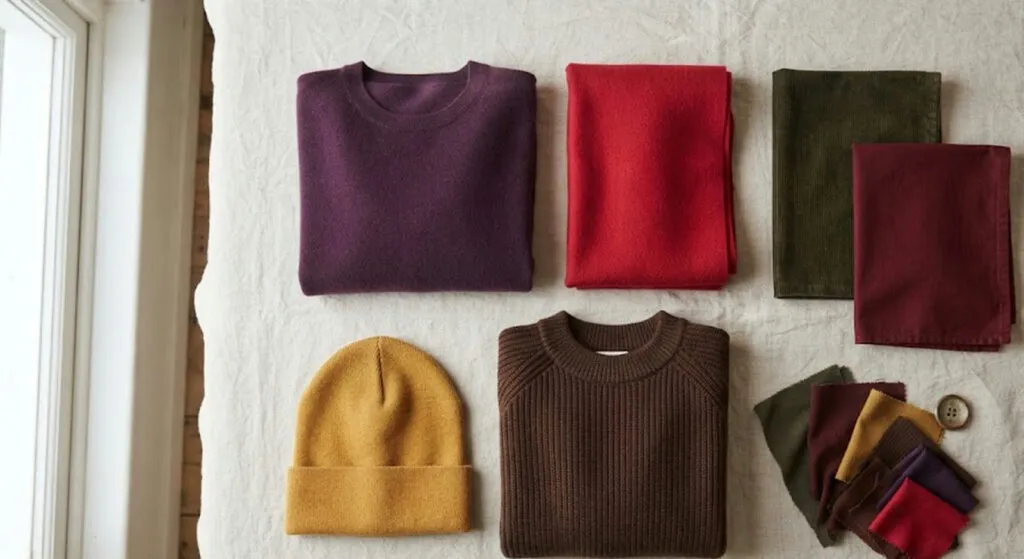
Alaia and Dior have already put mustard into their collections, and the fashion press is naming red-and-purple the duo of...
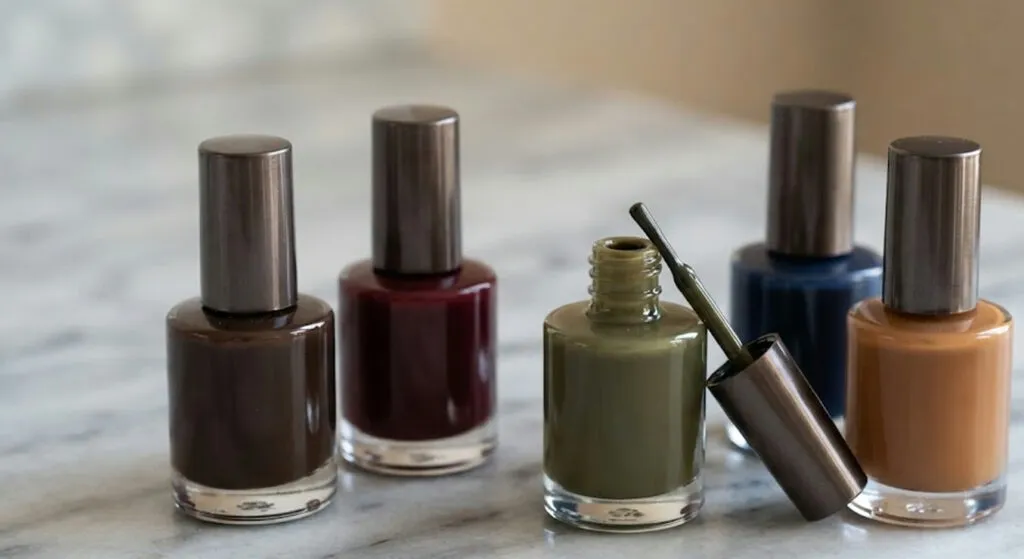
Chocolate brown, burgundy, olive and navy are taking the season. The question before you spend: how many of the twelve...
This site uses cookies - is that okay? Learn more
Be the first to know when Metla launches something new
Leave your email and we will write when there is a new guide or something new on Metla.
