
Eye Surgeries Billed Twice, Up to 4,000 Patients Hit: The Violations Were Known, the Fines Never Came
30.10.2026


30.10.2026

30.10.2026

30.10.2026

30.10.2026

30.10.2026

30.10.2026

30.10.2026

29.10.2026

29.10.2026

30.10.2026

30.10.2026

29.10.2026
30.10.2026

30.10.2026

30.10.2026

30.10.2026

29.10.2026

28.10.2026

30.10.2026

30.10.2026

30.10.2026

30.10.2026

30.10.2026

30.10.2026

30.10.2026

29.10.2026

28.10.2026

23.04.2026

23.04.2026

12.04.2026


Hollywood lived on one lie for a long time: "good genes, lots of water and sleep". Kylie Jenner denied lip fillers for years and credited her lipsticks for her full lips, and recently admitted on social media to breast surgery with 445-cubic-centimetre silicone implants. Jennifer Lawrence is now going a step further - without waiting for anyone to catch her out.
The Oscar winner for "Silver Linings Playbook", who says she's a fan of the Kardashian family, told the American magazine The Cut that she had a mastopexy, a surgical breast lift. She gave the reason without beating around the bush: after her first child, everything went back, more or less, to where it had been, but after the second "nothing went back to its original shape". And she added: "I want to be a hot mom."
Lawrence joked that she wants to look like a woman who has everything under control, even though that's not how it is when she wakes up in the morning. In a few years she'd also like a facelift, but she drew a line there: "I can't do much. I have to keep the movement in my face" - because acting lives on expressions.
So what actually happens to the body? Plastic surgeon Concepción Piña Lozano explains that breast development ends a little after the age of twenty. During pregnancy the breasts grow significantly, partly because of the weight gain, and then again during breastfeeding. When breastfeeding ends, especially if it lasted a long time, they shrink and sag. After menopause they often grow again because of fatty tissue, just as fat deposits on the torso and waist increase.
According to her, there are four solutions. Silicone implants for women with underdeveloped breasts. Mastopexy, or a lift, when the breasts sag after weight loss or long breastfeeding - if the sagging is minor, implants alone may be enough. A lift with a scar around the areola, alone or with a vertical or inverted-T incision, when the nipple has dropped less than two centimetres. And a reduction for very large breasts, where the bigger the hypertrophy, the more often an inverted-T incision is used.
Two other surgeons give advice worth more than any ad. Ramón Tarragona says to ask for photos of real results, without tricks or filters, because computer simulations give you an idea but guarantee nothing, and to ask how often the surgeon has to operate again. Vicente Paloma Mora says to think long term: the result after six months matters less than the one after fifteen years.
Lawrence's honesty is refreshing in an industry that spent decades selling "natural beauty" made in clinics. But it's not an instruction manual for surgery - it's simply an admission that a body after two children is different. The question that remains is whether we'll talk about it without shame - and without pressure to immediately "fix" it.
The latest 10 news from this category

Nobody knows who made it, but everyone remembers it. The 1993 revenge dress, and the woman who wore 10-dollar dresses...
Today it's a matter of style, but once it was protection: if spirits and kidnappers can't tell which one is...
This is no sudden awakening of conscience. Americans over 55 hold more than 70 percent of the wealth - and...

The neck has thinner skin, fewer oil glands and almost never gets sunscreen. That's why it ages before the face...

Nine years together across England and Spain, her mother as wedding planner and dinner under olive trees. Instead of flowers...

Floral motifs, textured fabric, burgundy, deep green and gold. Dior puts them on the runway, and the street is already...
Exercise oxygenates the skin like a treatment, the beautician says. But a face mask at the gym and make-up under...

She was meant to be Queen of England. Instead of the Prince of Orange she chose Leopold, later the first...
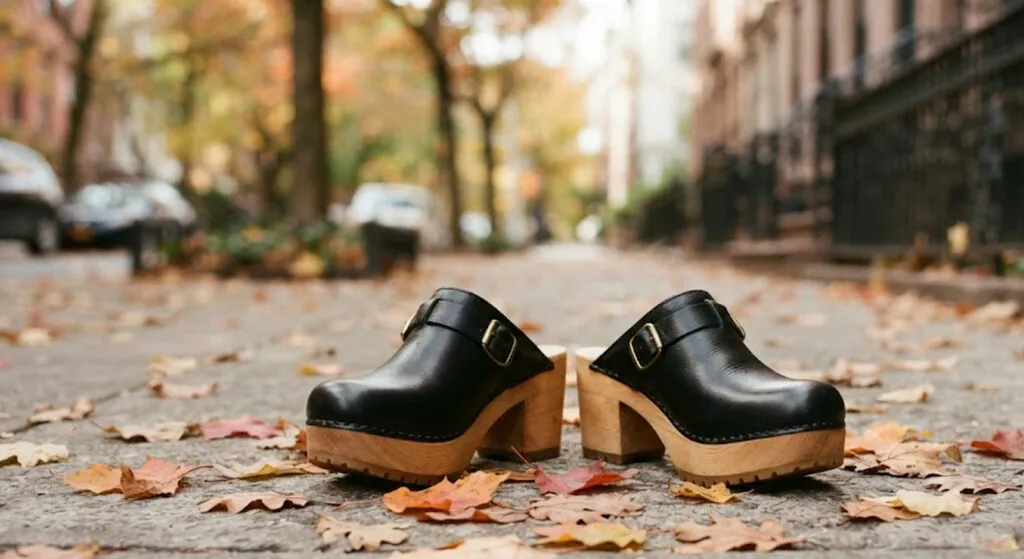
A floral dress, a grey coat, pearls and a wooden platform. The industry sorts trends by age - Parker broke...
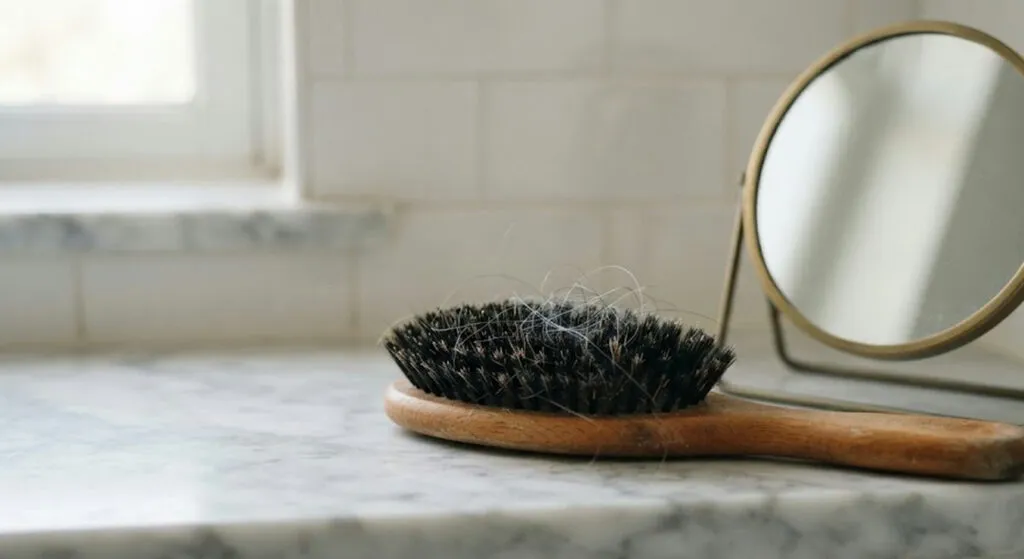
Genetics decides, but it isn't maths. And a product with a proven effect that reverses natural greying doesn't exist -...
This site uses cookies - is that okay? Learn more
Be the first to know when Metla launches something new
Leave your email and we will write when there is a new guide or something new on Metla.