


They Rode In on Scooters, Torched the Shops and Left: The Fire in Shuto Orizari Burned for Three Hours, Setting It Took Fifty Seconds
13.09.2026


13.09.2026

13.09.2026

13.09.2026

13.09.2026

13.09.2026

13.09.2026

13.09.2026

12.09.2026

11.09.2026

13.09.2026

13.09.2026

12.09.2026

13.09.2026

13.09.2026

13.09.2026

13.09.2026

12.09.2026

11.09.2026

13.09.2026

13.09.2026
13.09.2026

13.09.2026

13.09.2026

12.09.2026

09.03.2026

27.02.2026

19.02.2026

13.09.2026

12.09.2026

11.09.2026

23.04.2026

23.04.2026

12.04.2026


For years the conversation about a firmer face led in one single direction - a facelift, an operating theatre, recovery. That conversation has changed. Not because people stopped wanting the effect, but because the industry found a way to charge for the same effect in instalments, without a scalpel.
The latest in the line to try it is the presenter Cristina Pedroche, with Ultherapy Prime - a treatment Paula Echevarría calls "a stapler", which uses micro-focused ultrasound with echography to tighten the skin from the deep layers. The idea is not to pull the skin backwards, but to stimulate collagen production where the body has stopped making it.
What the new generation of treatments actually promises
The goal is no longer described as "tightening". It is described as redefining the oval, improving the jawline, restoring light - what some aestheticians call the "light effect". In other words, the face should look rested, not stretched. The difference between those two outcomes is why the facelift went out of fashion: we all learned to spot it.
The approach splits into several levels. Radiofrequency works on skin quality and firmness. EMFACE stimulates the facial musculature - the technology chosen by Belén Esteban. Focused ultrasound goes deepest and aims at redefining the oval; Jade Mitchell and Elsa Pataky went that route. And increasingly several technologies are combined for an overall result.
Where the limit is
Specialists insist on one thing that sounds like marketing until you look at the opposite example: the expression must remain. "You have to work on the skin, on the musculature and on the deeper structures," is the formulation that keeps repeating. That means not treating the face as one surface to be pulled, but as three systems ageing at different rates.
What nobody says out loud is that this approach is more expensive than a facelift in one key respect - you do not pay once. It repeats. The industry moved from one big procedure to a subscription, and that is called progress. Is it worse than surgery? Most likely not. But it is worth knowing before you start, rather than after the third session.
The latest 10 news from this category

The meaning is not that they have to carry it. The meaning is that behind them stands a team that...
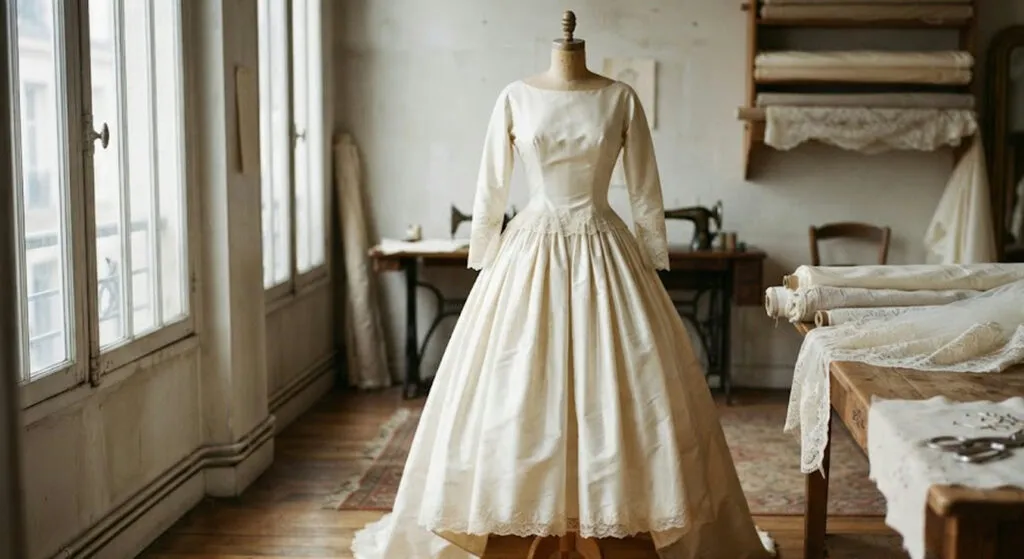
Twelve hundred guests, a five-tier cake and an exclusive photographer. For the woman who sewed the dress - two words,...

Alaia and Dior have already put mustard into their collections, and the fashion press is naming red-and-purple the duo of...
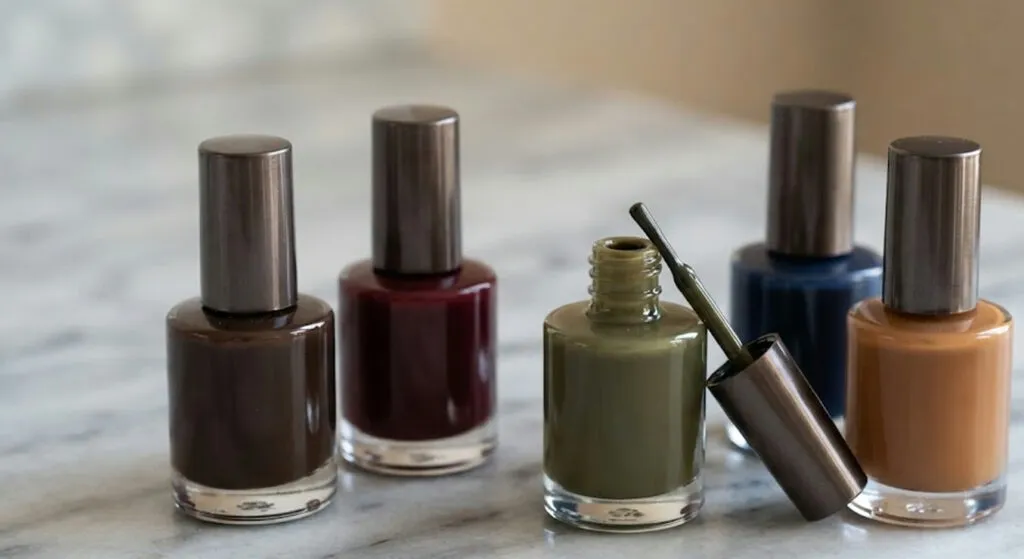
Chocolate brown, burgundy, olive and navy are taking the season. The question before you spend: how many of the twelve...

Diana carried lily of the valley, gardenia and orchids in 1981. Kate carried a baby version - not for lack...

It sat in the wardrobe for three years because it was too daring. Then came the evening when the answer...

When density drops, the cut either exposes the loss or conceals it. Nobody earns monthly from that solution, which is...

Both dresses appear on the same lists of elegance. The difference is not made by the sum, but by what...
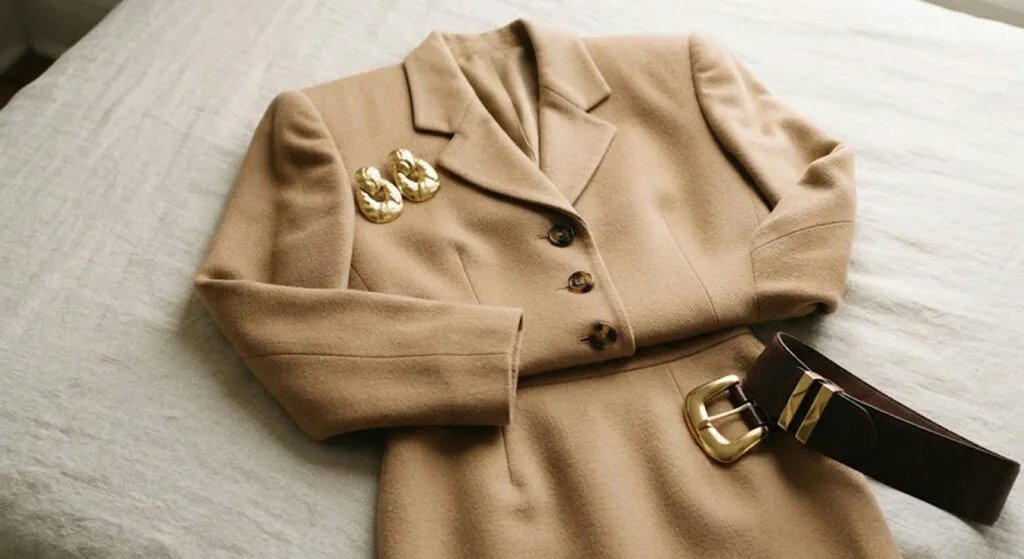
Padded shoulders, XL earrings and an accentuated waist. Caroline of Monaco wore a leopard print that was only visible when...
Three years without makeup. What has been removed is precisely the part of a woman's face the industry treats as...
This site uses cookies - is that okay? Learn more
Be the first to know when Metla launches something new
Leave your email and we will write when there is a new guide or something new on Metla.
