

Studeničani: 35-year-old dies after being electrocuted while washing his car with a pressure washer
18.09.2026


18.09.2026
18.09.2026
18.09.2026
18.09.2026
18.09.2026
18.09.2026
18.09.2026
17.09.2026
16.09.2026
18.09.2026
18.09.2026
17.09.2026
18.09.2026
18.09.2026
18.09.2026
18.09.2026
17.09.2026
16.09.2026

18.09.2026

18.09.2026
18.09.2026

18.09.2026
17.09.2026
17.09.2026

09.03.2026

27.02.2026

19.02.2026
18.09.2026
17.09.2026
16.09.2026

23.04.2026

23.04.2026

12.04.2026

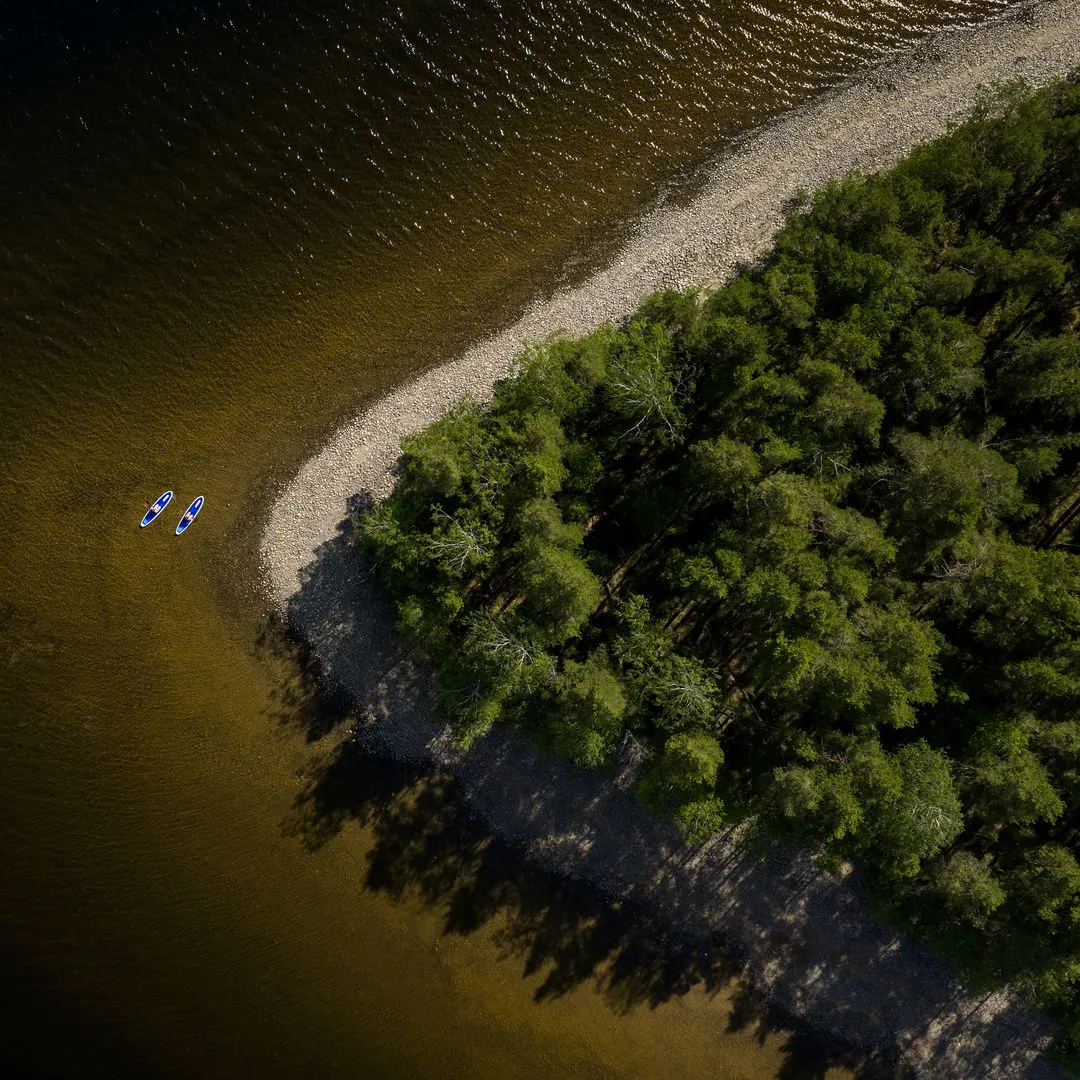
Finland is once again the world's happiest country, and the Balkans react to every such list the same way: lovely, but they have money. Except when you look at what a Finnish summer is actually made of, the bill does not add up in money. It adds up in water, wood and a decision not to hurry.
The Thousand Lakes region is what you see from the air before landing in Kuopio, and from there it is already hard to tell where the land ends and the water begins. Lake Saimaa, Finland's largest, spreads across 4,400 square kilometres and is a jigsaw of islands, forests and channels in which one lake flows into another without warning. The local expression for how you behave in that setting is "chill like a Finn".
The ritual is so simple it sounds like a joke: wake up, swim in the lake, eat well, walk through the forest, sauna, swim in the lake again, sleep. Then start over. Not one step requires a booking, an app or a ticket.
The first stop is Jätkänkämppä, a traditional smoke sauna in Kuopio - a small town built on a peninsula reaching into the waters of Lake Kallavesi. This is not just any sauna: it sits in an old lumberjacks' lodge that lived its strongest years in the 1940s, and the atmosphere from then has not been scrubbed away. Every afternoon one of the last lumberjacks of the place shows a small but attentive audience how logs were once floated across the water. With accordion music instead of a video presentation.
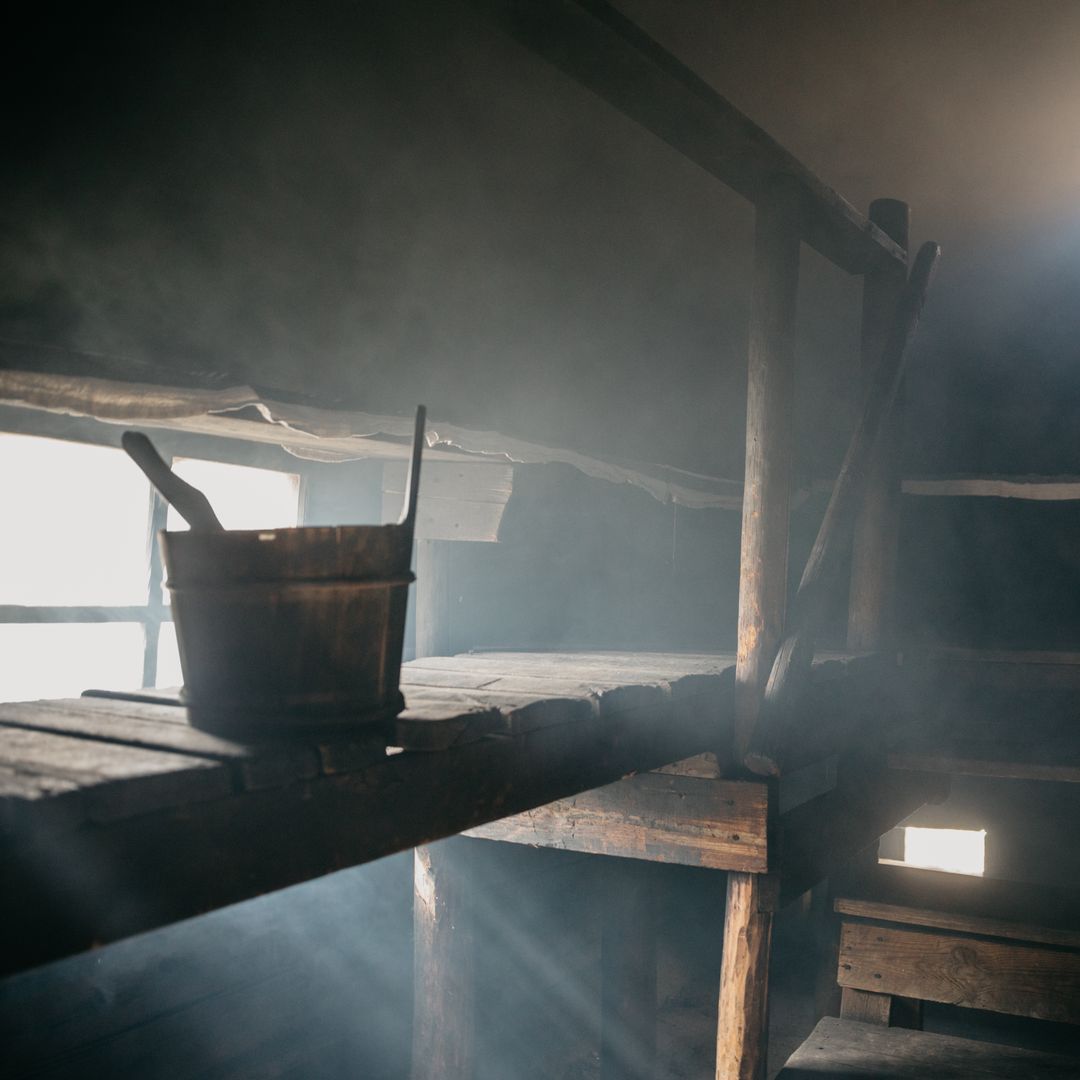
The procedure inside involves no philosophy: swimsuit, shower, then sitting on a wooden bench at a temperature where every pore reacts within two seconds. But what you grasp fastest is that the sauna is a social act, not a spa treatment - some people have come to rest, others use the space to talk with friends and relatives. When the body says enough, you take a towel and walk the wooden path down to the lake. The water is icy by our standards. According to the body - relief.
The rest of Kuopio is the market with forest berries and kalakukko (a rye-dough loaf stuffed with fish and bacon, one of the region's culinary symbols), and the harbour with a 120-year-old steamship running two-hour routes among the private islets. Before leaving - the trails of the Puijo recreation area with 200 hectares of forest and the climb up Puijo Tower, where the revolving restaurant has one peculiarity: however late it gets, the light never leaves the horizon. That is the midnight sun.
South of Kuopio the stories get concrete. At Putkisalo Manor, with a documented history going back to the sixteenth century, guests are collected by Susanne - by tractor and trailer, so no doubt remains about what the rest of the day will look like. Susanne is from Helsinki, moved to her husband's family farm and now opens the doors of its wooden cabins for rent. Dinner is around one table, with lamb as the main dish and a menu that starts with where each ingredient came from.
The physical part is delivered by canoe. From Harjun Portti harbour, water tours set off for Kruunupuisto - forty minutes of paddling through silence, past a green landscape broken only by the occasional wooden cabin or solitary jetty. At the end, waffles with homemade jam and coffee, a greater reward than any medal. For a calmer version there is Punkaharju, a narrow ridge of land shaped by glaciers and protected since the nineteenth century, where a yoga class takes place among pines and birches.
The most unexpected part is Mikkeli. Here Saimaa has been declared a UNESCO Global Geopark and is literally an open book of Finland's geological history. A speedboat takes you from the island of Rokansaari to the historic Kukonharju and Kaihkaa canals, stopping in front of the Astuvansalmi cliffs - home to the most important set of rock paintings in northern Europe. From adrenaline to silence in ten seconds.
Food closes the story. Paula Okkola opens her house to anyone with even a little curiosity about the Finnish way of life, and together you make a traditional blueberry pie. Her home is on an islet with 36 residents, reachable only by ferry. South of there, at Tertti Manor, the buffet has more than 50 dishes made from local ingredients, in an elegant family estate dating back to the nineteenth century.
So what is Finland really selling? Not luxury - even though the final stop, Saimaanranta Resort, is a luxury cabin with a private sauna and glass walls over Saimaa. It sells space where you do not have to prove anything and water you can walk into without paying for a sunlounger. Is that, with Ohrid, Prespa, Dojran and Matka, something we genuinely do not have - or something we do have and have simply never bothered to call a way of life?
The latest 10 news from this category
The royal couple walked yesterday into a pub the village bought back for itself. How many buildings like that sit...

Of twenty-five new inscriptions, five are natural - and only one is in Europe. For the richest of them, the...
Fifty beaches, more than 120 villages and a trail France voted its favourite. Monet came for a few days and...
Restored carriages, a locomotive they call the Japanese Woman and a 28.95 euro return ticket. What it sells is not...
Two hundred and fifty tree species from every corner of the world, a monastery from 1628 and a palace that...
The same places cost more in August, look crowded and are experienced at half strength. The difference is made by...
The Beckhams have a place there, so do Kate Moss and Ellen DeGeneres. But the Cotswolds needs none of those...

Down on the coast the buses pass each other with centimetres to spare and all you see is people. Up...
Empty warehouses, low rents and one real estate developer. A model we know without flying to Florida.
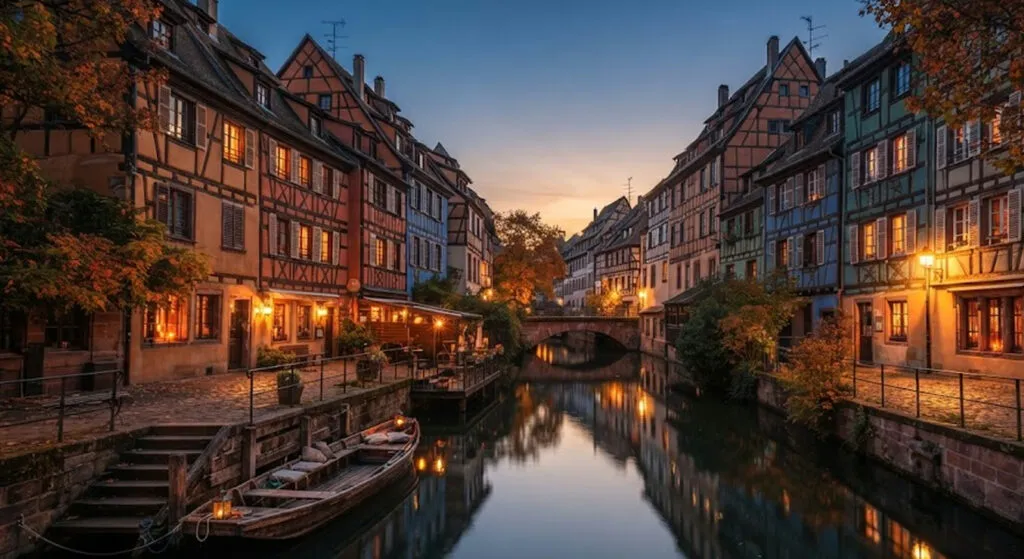
Old tanners' and dyers' workshops, built directly over the river. From 10 to 13 September the town puts boats and...
This site uses cookies - is that okay? Learn more
Be the first to know when Metla launches something new
Leave your email and we will write when there is a new guide or something new on Metla.
