
Parts of Butel and Centar Without Power Today - Museum of Contemporary Art Six Hours Offline, Why No SMS to Customers?
26.05.2026


26.05.2026
26.05.2026

26.05.2026

26.05.2026

26.05.2026

26.05.2026

26.05.2026

25.05.2026

25.05.2026

26.05.2026

26.05.2026

25.05.2026

26.05.2026

26.05.2026

26.05.2026

26.05.2026

25.05.2026

24.05.2026
26.05.2026

26.05.2026

25.05.2026

09.03.2026

27.02.2026

19.02.2026

14.04.2026

07.11.2025
07.11.2025

23.04.2026

23.04.2026

12.04.2026


In just 24 hours, the Macedonian police registered five separate cases of domestic violence in different parts of the country. Four suspects were detained. The number, as the Interior Ministry describes it, is a „serious security and social problem" - and that is the official formulation, not a panic.
The most serious incident - Bitola. Around 04:30 on 25 May, at the family home, a 51-year-old man with the initials T.S. physically attacked his 54-year-old wife using metal and wooden objects. The judge at the basic court in Bitola issued a detention order. „Metal and wooden objects" in the police's brief description cover actions that generally end in serious injury or death.
Other cases in the same period: in a village near Tetovo, a 57-year-old woman reported that her 36-year-old son had threatened her with a knife in the family home. The suspect was detained. In Berovo, a 42-year-old man - physical assault on his 35-year-old wife. In Probishtip, a 41-year-old woman - attack by a common-law partner. In Kavadarci, a 20-year-old from Strumica - attack on a 19-year-old unmarried partner „in a building near a plantation". In Skopje (Karposh), a 20-year-old son - threats against his 55-year-old mother and damage to property.
Five cases. Different regions. Different generations. Different relationships - wife, mother, son, common-law partner. What links them? The same model: the family home as a place of physical danger, not a place of safety. Still predominantly men attacking women, with occasional exceptions like the son threatening his mother.
The number - 5 cases in 24 hours - is not a statistical outlier. Gender equality experts have repeatedly pointed out that official statistics only capture reported cases, and a large share of domestic violence never reaches the police because of fear, shame, or the victim's economic dependence.
The question Macedonian society does not want to ask: where are the prevention services? How many counselling offices are working for victims in the moment? Does the police have the resources for a fast reaction, or does it only document the damage? And most importantly - do those given a detention order actually end up in serious trials, or do they walk out a few months later with suspended sentences?
The latest 10 news from this category

EVN announces the outage through the media - but the information only reaches affected customers today if they happen to...
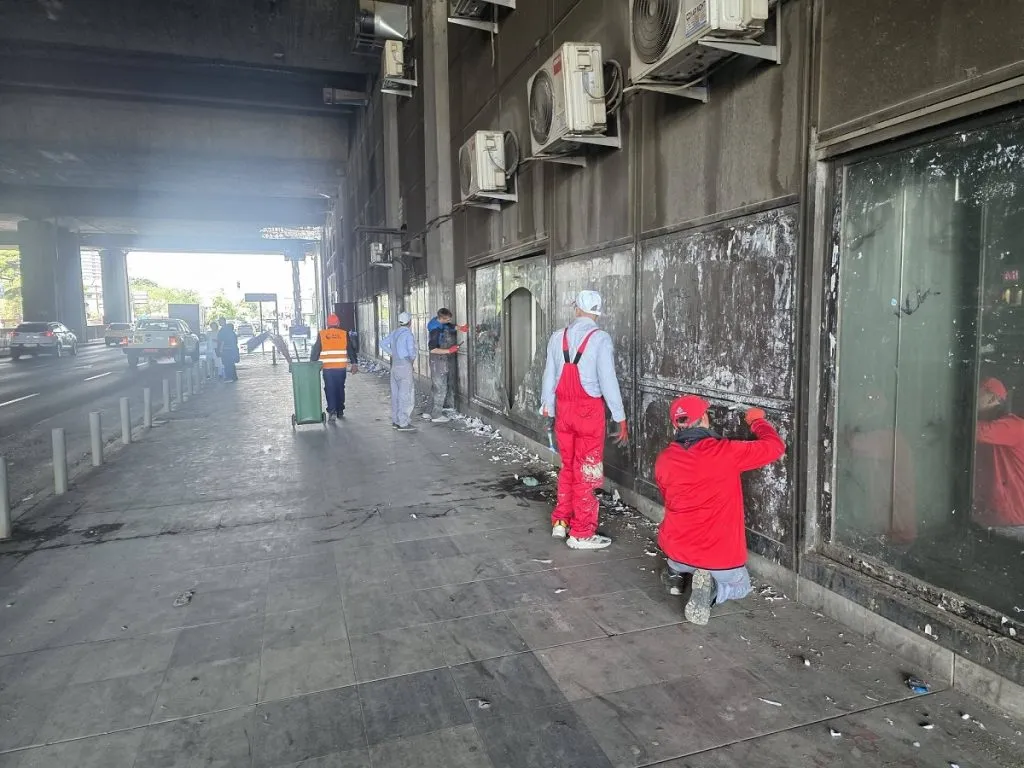
Billboards are coming down, Hamza Doner has a 7-day ultimatum. The City Train is being promised for September. Will this...
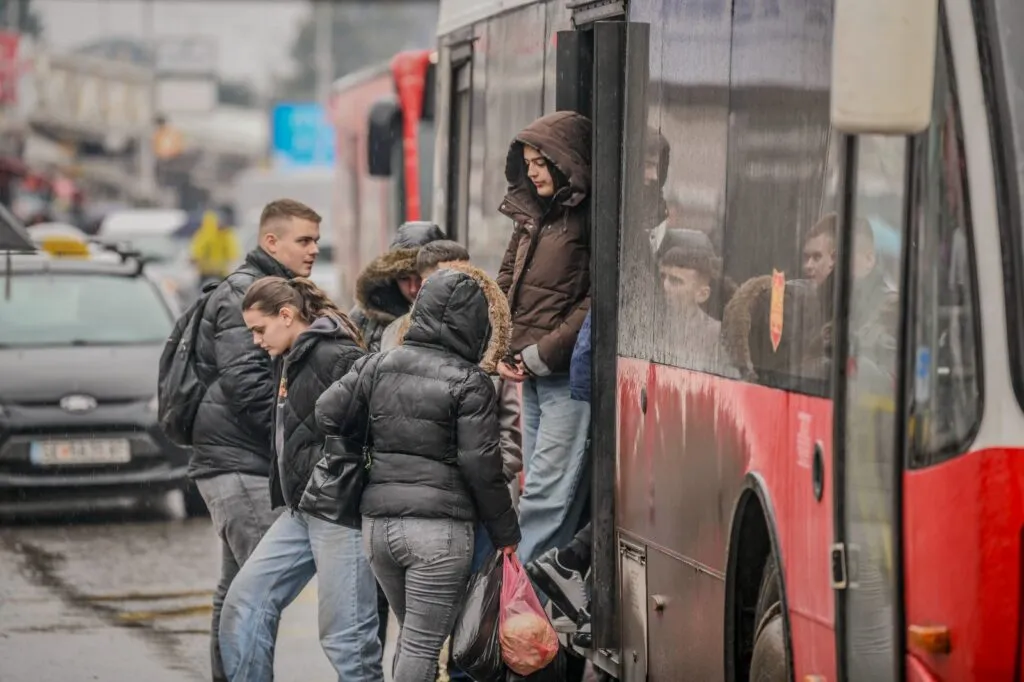
Half the fleet does not function on any given day. People wait at the bus stops. The tender procedure failed....
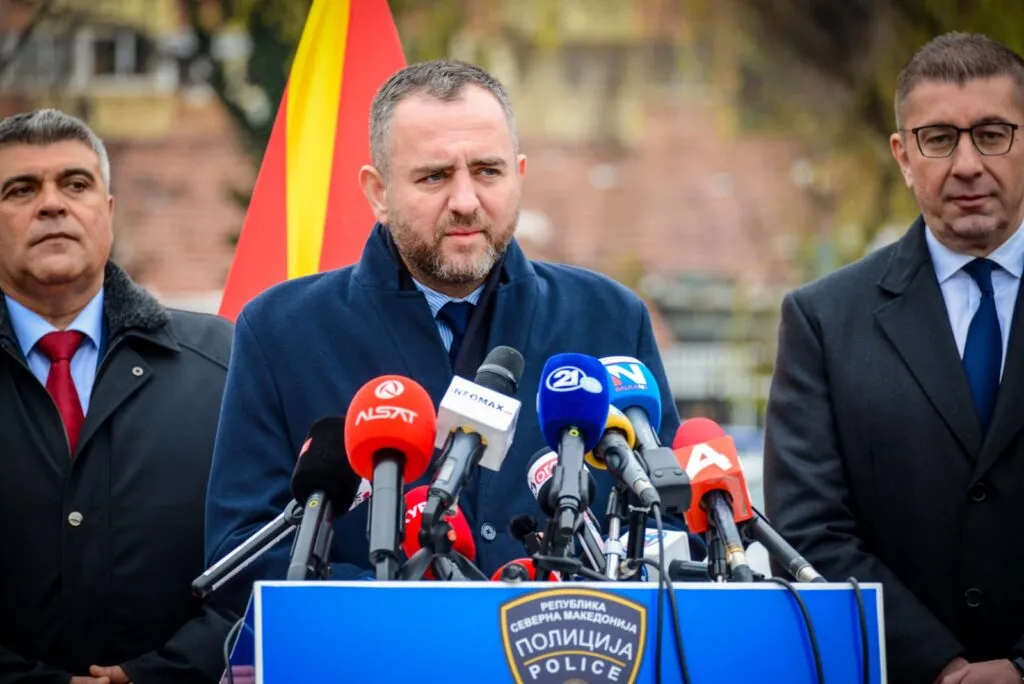
The Interior Ministry wants the right to life above privacy. The opposition sees surveillance. History says law and transparency first,...

One of the generation that lived through two systems - Yugoslavia and independent Macedonia. TANJUG correspondent in the far Pacific,...

Seven newborns in one day in a town fighting negative natural growth. They do not solve the demographic crisis, but...

Kasami and VLEN claim they are unblocking infrastructure projects DUI had frozen for years. The Albanian bloc is fragmenting ahead...

On Mitropolit Teodosij Gologanov Boulevard, on a public holiday. The civic group Defence of Bunjakovac warned from the start -...
A 20-year-old on a motorbike at work, four attackers aged 21-24. Police caught them within 24 hours - now the...

On 26 May 1751, it fell in the Zagorje region of Croatia - and became proof that bodies from space...