Studeničani: 35-year-old dies after being electrocuted while washing his car with a pressure washer
18.09.2026


18.09.2026

18.09.2026

18.09.2026

18.09.2026
18.09.2026
18.09.2026
18.09.2026

17.09.2026
16.09.2026
18.09.2026

18.09.2026
17.09.2026

18.09.2026
18.09.2026

18.09.2026
18.09.2026
17.09.2026
16.09.2026

18.09.2026

18.09.2026

18.09.2026

18.09.2026

17.09.2026

17.09.2026

09.03.2026

27.02.2026

19.02.2026

18.09.2026
17.09.2026

16.09.2026

23.04.2026

23.04.2026

12.04.2026

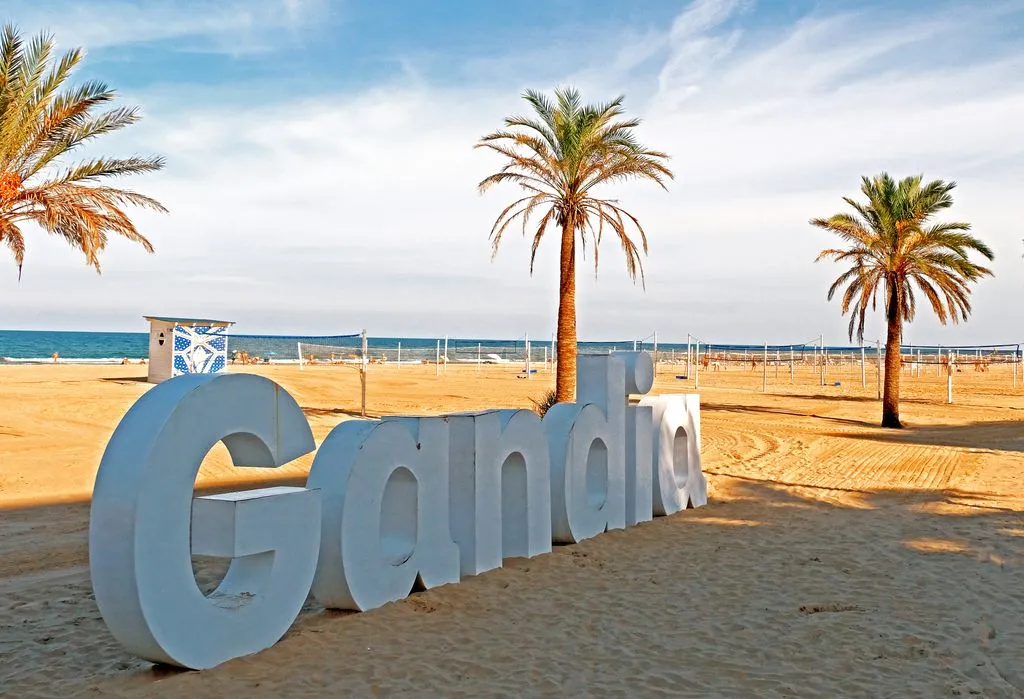
When summer like this rolls in and Valencia says „beach", most people think of Benidorm or Calpe. But seventy kilometres south of the city of Valencia, in a low piedmont between the Sierra de Mondúver and the Mediterranean, sits Gandia - a town whose summer has been quietly humming along since the 1960s. 80,000 residents in winter, 180,000 in summer. A steady rhythm, no overload - a brand of the kind Benidorm long since lost.
But Gandia is not just beach. Francis Borgia was born here in 1510, a former duke and later Catholic saint, member of the current family line of the famous Borgia dynasty from Italy. The duchy left these estates behind - and today the Ducal Palace, built in the 14th-15th century, is the heart of the old town centre. The Hall of Arms, the Hall of Crowns and the baroque Golden Gallery are open to visitors.
For those with an interest in art - the Santa Clara Museum holds the „Virgin of the Milk" and works by Jusepe de Ribera. The Collegiate Church of Santa Maria and the Santa Clara monastery round out the architectural route. The Archaeological Museum and the Faller Museum - smaller, but authentic, with low tourist overhead.
And the food? This is the birthplace of fideua - 1920, a version of paella that uses fideos (thin pasta) instead of rice. From then to now: Casa José and Vins i mes are the two restaurants the locals recommend. Don't expect a tasting menu with grand pretensions - expect seafood from the same day, olive oil from the foothills, and a waiter who will tell you honestly whether the menu of the day is any good.
The best time? Early October - that is the Fira i Festes de Gandia, with „Tio de la Porra" - a figure who leads percussion troupes through the streets in a centuries-old tradition that goes back to 1310. Seven centuries later, that still means something to the people who live here year-round. Not for the tourists - for themselves.
Gandia is not a town for Instagrammers looking for an „undiscovered gem" for the next post. It is a town for those who want to spend a week in a place where the locals live as if they were not on holiday. The quiet satisfaction is noticeable.
The latest 10 news from this category
The royal couple walked yesterday into a pub the village bought back for itself. How many buildings like that sit...

Of twenty-five new inscriptions, five are natural - and only one is in Europe. For the richest of them, the...
Fifty beaches, more than 120 villages and a trail France voted its favourite. Monet came for a few days and...
Restored carriages, a locomotive they call the Japanese Woman and a 28.95 euro return ticket. What it sells is not...
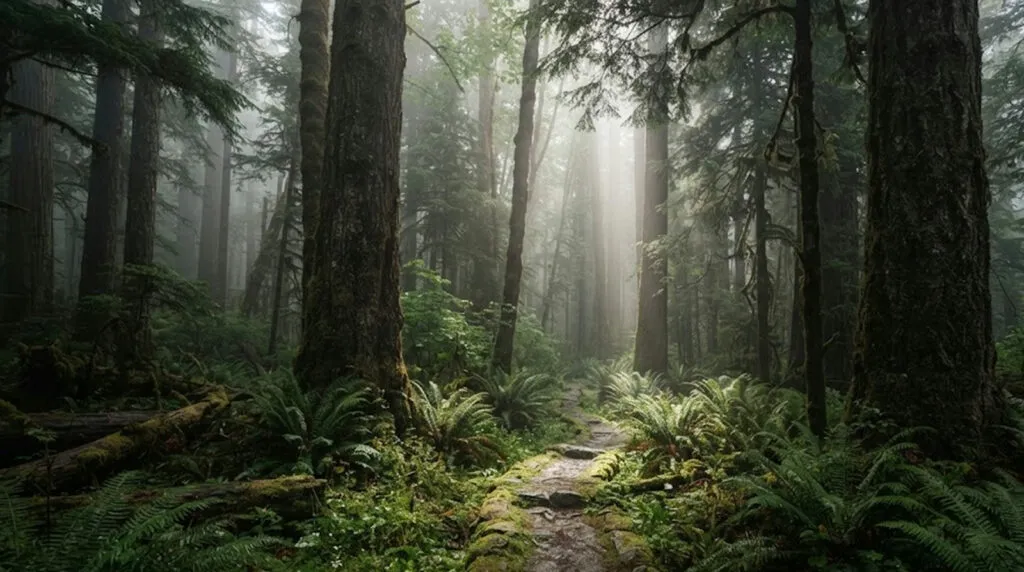
Two hundred and fifty tree species from every corner of the world, a monastery from 1628 and a palace that...
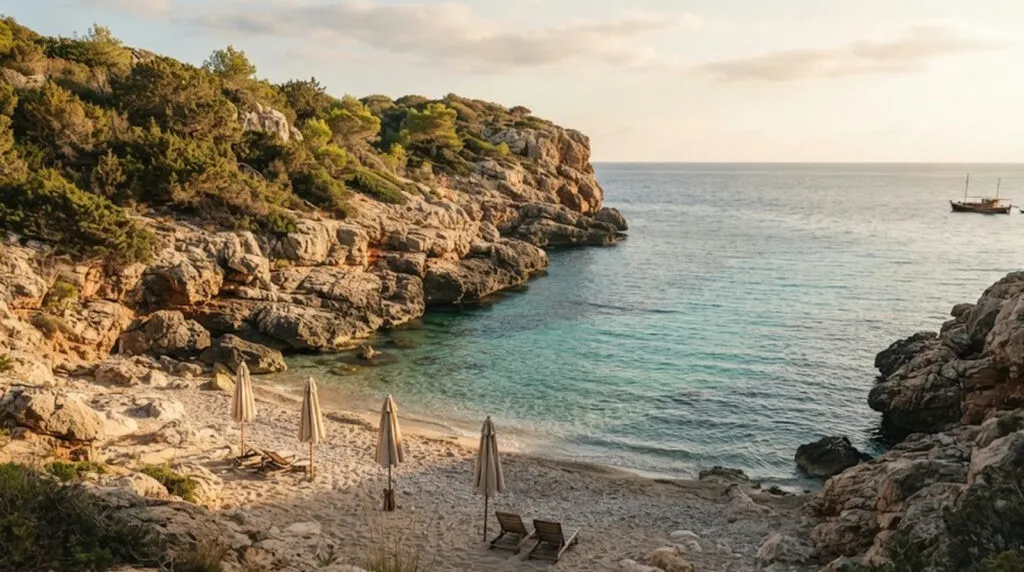
The same places cost more in August, look crowded and are experienced at half strength. The difference is made by...
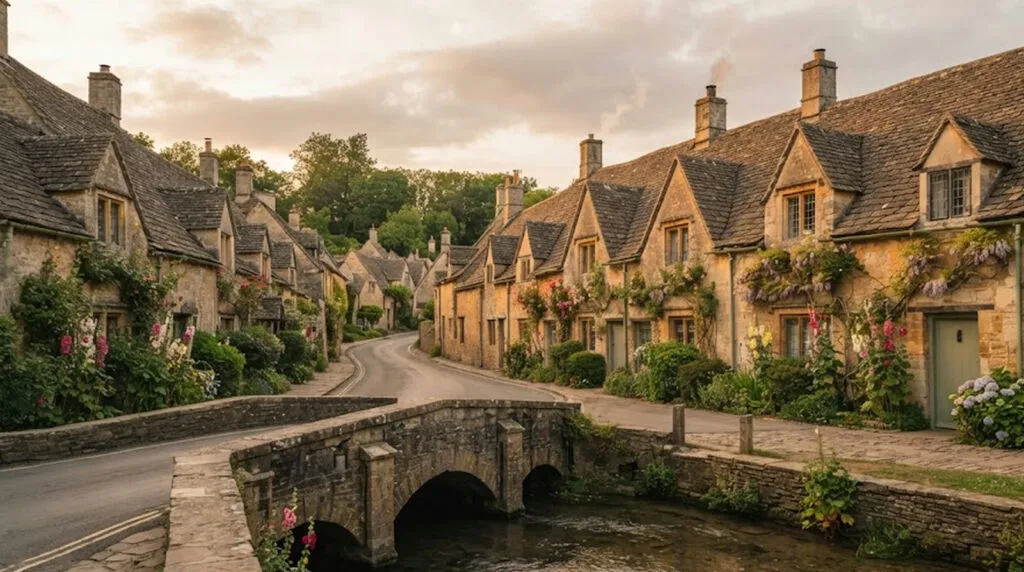
The Beckhams have a place there, so do Kate Moss and Ellen DeGeneres. But the Cotswolds needs none of those...

Down on the coast the buses pass each other with centimetres to spare and all you see is people. Up...
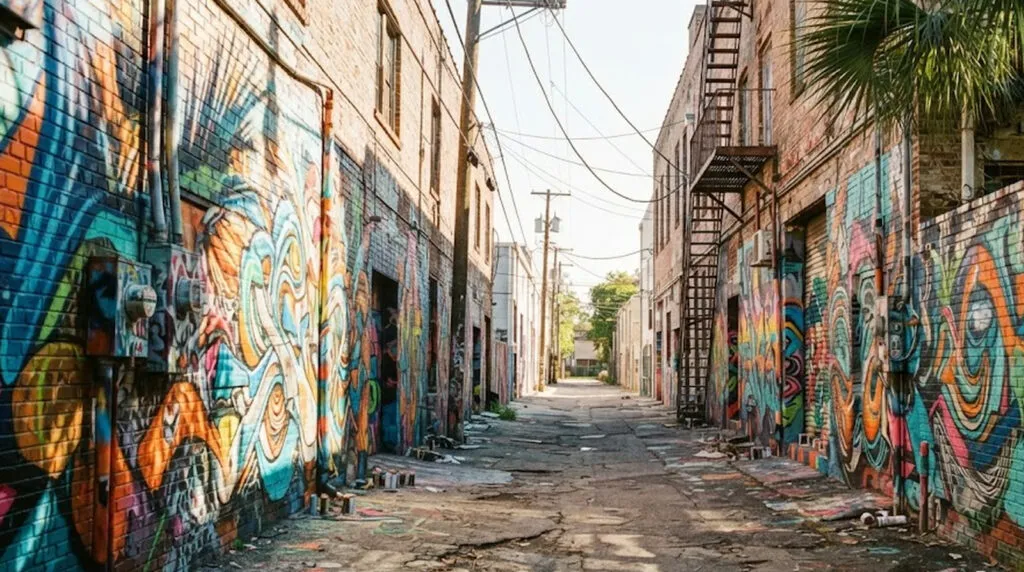
Empty warehouses, low rents and one real estate developer. A model we know without flying to Florida.
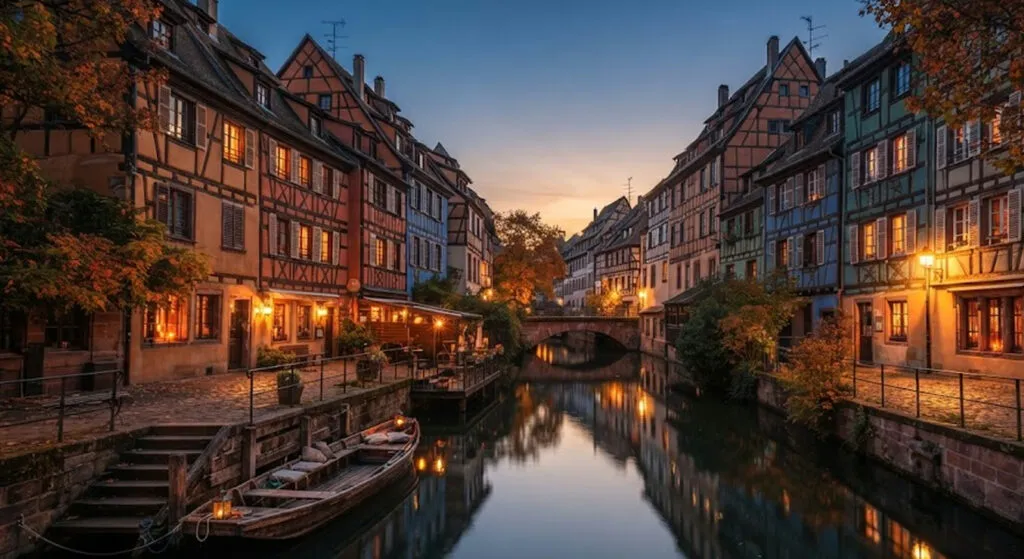
Old tanners' and dyers' workshops, built directly over the river. From 10 to 13 September the town puts boats and...
This site uses cookies - is that okay? Learn more
Be the first to know when Metla launches something new
Leave your email and we will write when there is a new guide or something new on Metla.