Parts of Butel and Centar Without Power Today - Museum of Contemporary Art Six Hours Offline, Why No SMS to Customers?
26.05.2026


26.05.2026

26.05.2026

26.05.2026

26.05.2026

26.05.2026

26.05.2026

26.05.2026

25.05.2026

25.05.2026
26.05.2026

26.05.2026

25.05.2026

26.05.2026
26.05.2026

26.05.2026

26.05.2026

25.05.2026
24.05.2026

26.05.2026

26.05.2026

25.05.2026

09.03.2026

27.02.2026

19.02.2026

14.04.2026

07.11.2025
07.11.2025

23.04.2026

23.04.2026

12.04.2026

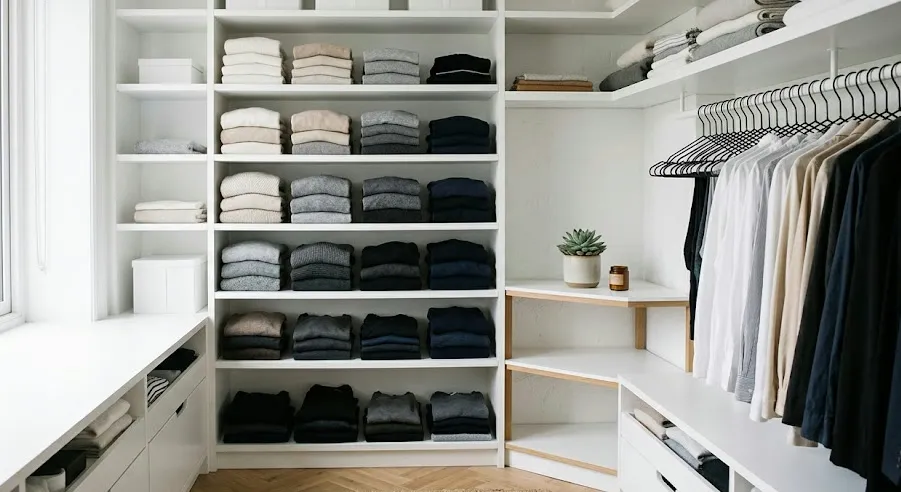
We all know them - the people who can't sit down on a sofa if a cushion is crooked. Who turn laundry pegs in the same direction every time. Who feel a discomfort if the kitchen towels aren't arranged by colour. A simple interpretation would say „perfectionists". Psychologist Sara Navarrete says something far more interesting: those people are seeking emotional regulation, not perfection.
„Outer order often functions as a way to regulate the inner world," Navarrete explains. When life feels unpredictable - work, relationships, finances - putting a home into order gives temporary psychological relief. Stress, anxiety and chaos trigger compulsive organising, not as a flaw, but as a defence.
All while it works. The problem starts when perfectionism prevents relaxation. When you cannot watch a film because you notice dust on the shelf. When the family holiday lasts as long as the first mess in the kitchen - after that, your body stops being able to wind down. That is no longer a strategy. That is a prison you built for yourself.
Signs to watch out for, according to Navarrete: anxiety when you cannot clean immediately, rigid inflexibility around perfection, and conflicts with family members who „don't understand" why things have to be exactly that way. If three of those three sound familiar, then order is no longer serving you - you are serving it.
The solution is not chaos out of spite. The solution is flexibility. Real peace does not come from achieved perfection, but from accepting imperfection without distress. A simple experiment: leave the house one day at „good enough" tidy instead of „maximum" tidy. See how you feel. If the panic reaction is too strong, that is a sure sign that the issue is not in the house.
The latest 10 news from this category
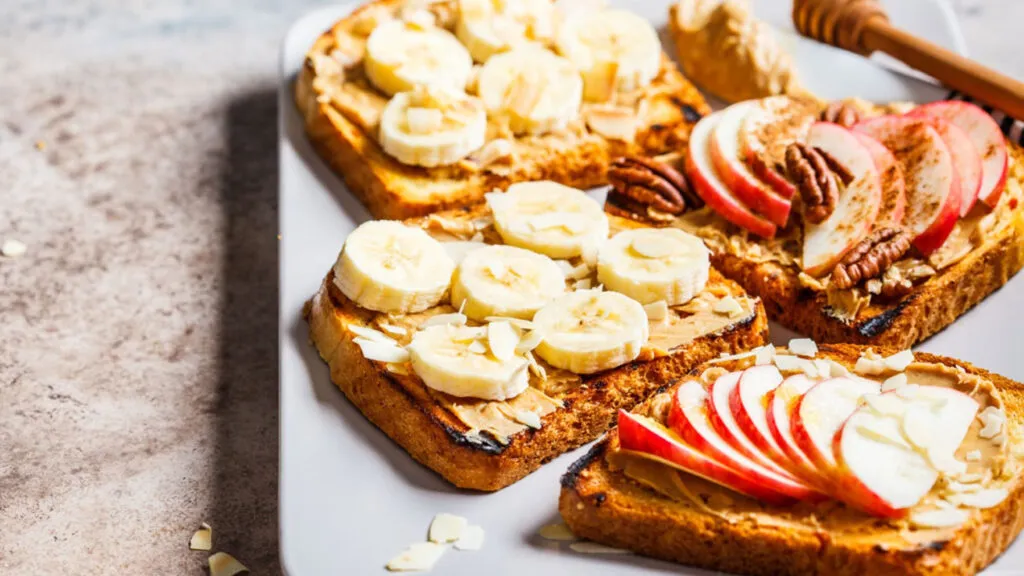
Peanut butter and natural peanut cream are not the same - the first has additives, the second is 100 percent...

The only professional chef among the seven children of the famous Karlos Arguiñano shares a recipe that doesn't demand ingredients,...

From physical insecurity to existential fears - we all have them, but we don't all recognize them. The expert explains...

Paula Gutiérrez took the title at the Barcelona trade fair. The sentence that made the difference: you need a life...
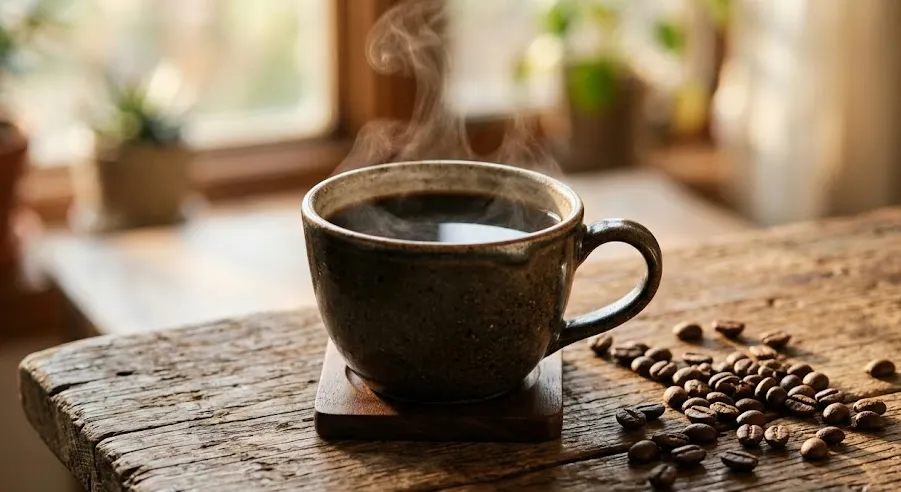
Natural vs. torrefacto - the difference is in sugar during roasting. If you're drinking coffee just to function, the coffee...
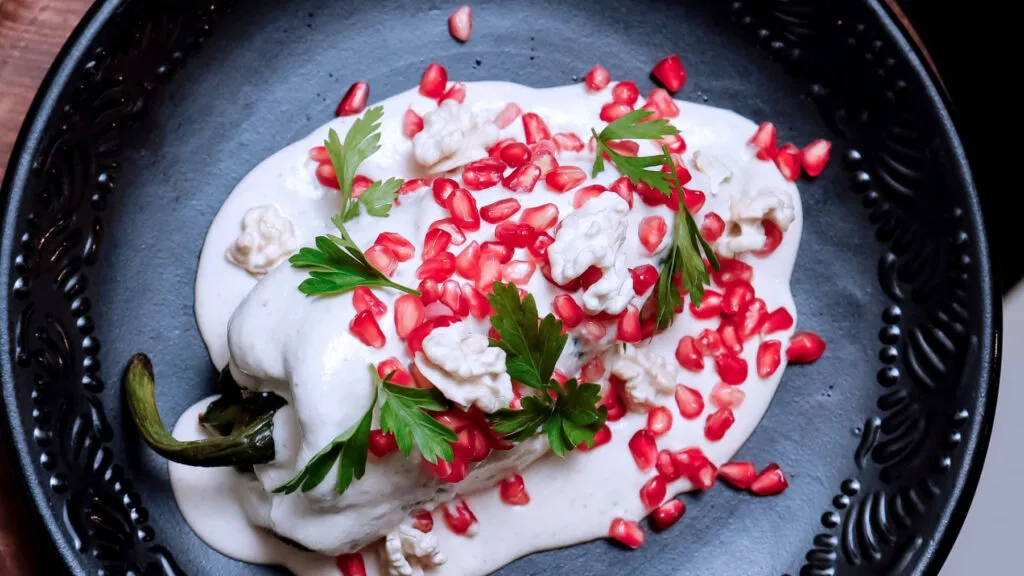
Nixtamalization of corn, real chiles, tortillas made on the premises. The certificate excludes Taco Bell copies. Madrid takes the most...

Sleep on your back - dominant. On your stomach - anxious. Fetal - sensitive. Serious psychologists agree: it's fun for...
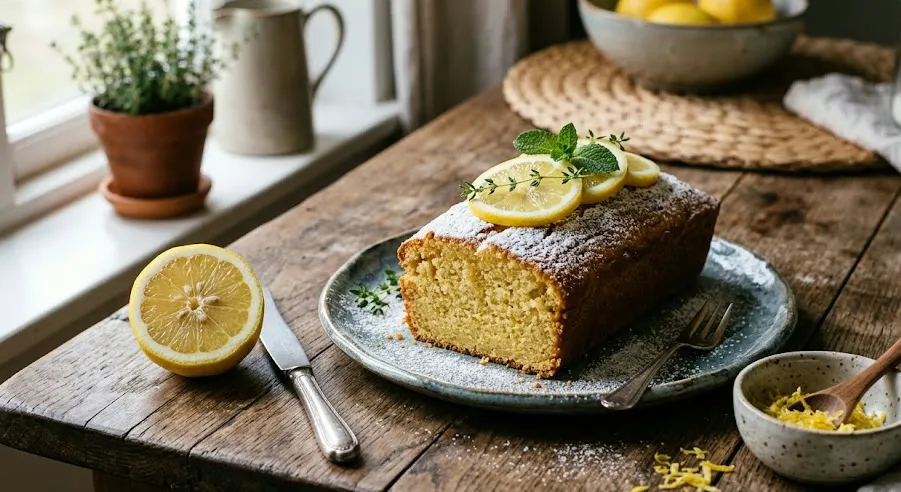
The whole lemon goes into the batter - peel and all. The trick is in a 5-minute boil to take...

10 hours without caffeine, 3 without food, 2 without exercise, 1 without screens. Scientifically there is a basis. Realistically -...
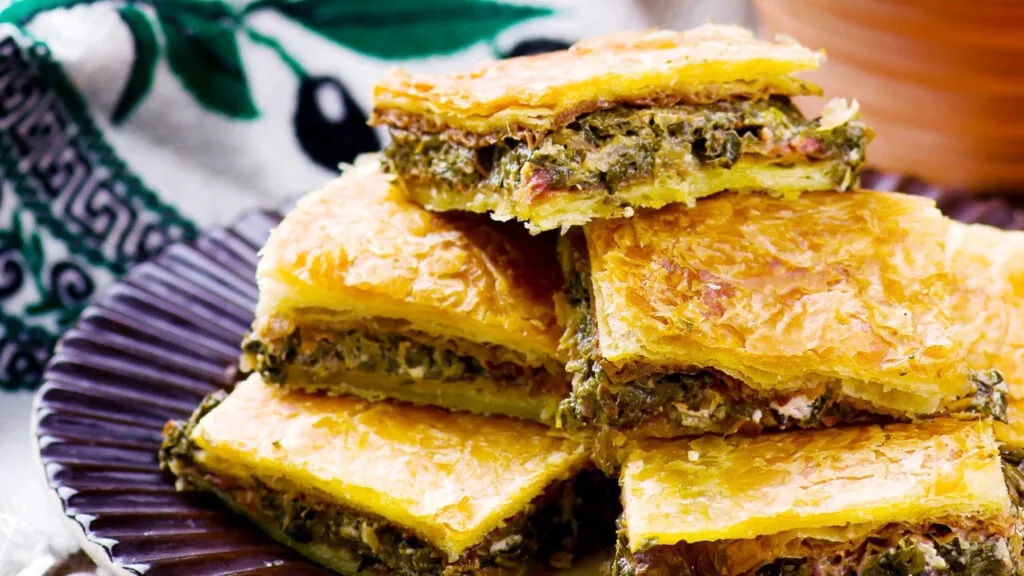
Spinach, chard, spring onion, dill, parsley, mint, feta and two eggs between sheets of filo. Greek grandmothers have been making...