


Two Schoolyard Assaults Reported in a Single Day: the Police Promised Measures, the Education System Said Nothing
19.09.2026


19.09.2026
19.09.2026
19.09.2026

19.09.2026

19.09.2026
19.09.2026
19.09.2026

18.09.2026

17.09.2026

19.09.2026

19.09.2026
18.09.2026

19.09.2026

19.09.2026

19.09.2026

19.09.2026

18.09.2026

17.09.2026

19.09.2026

19.09.2026

19.09.2026
19.09.2026

19.09.2026
18.09.2026

09.03.2026

27.02.2026

19.02.2026
19.09.2026

18.09.2026
17.09.2026

23.04.2026

23.04.2026

12.04.2026

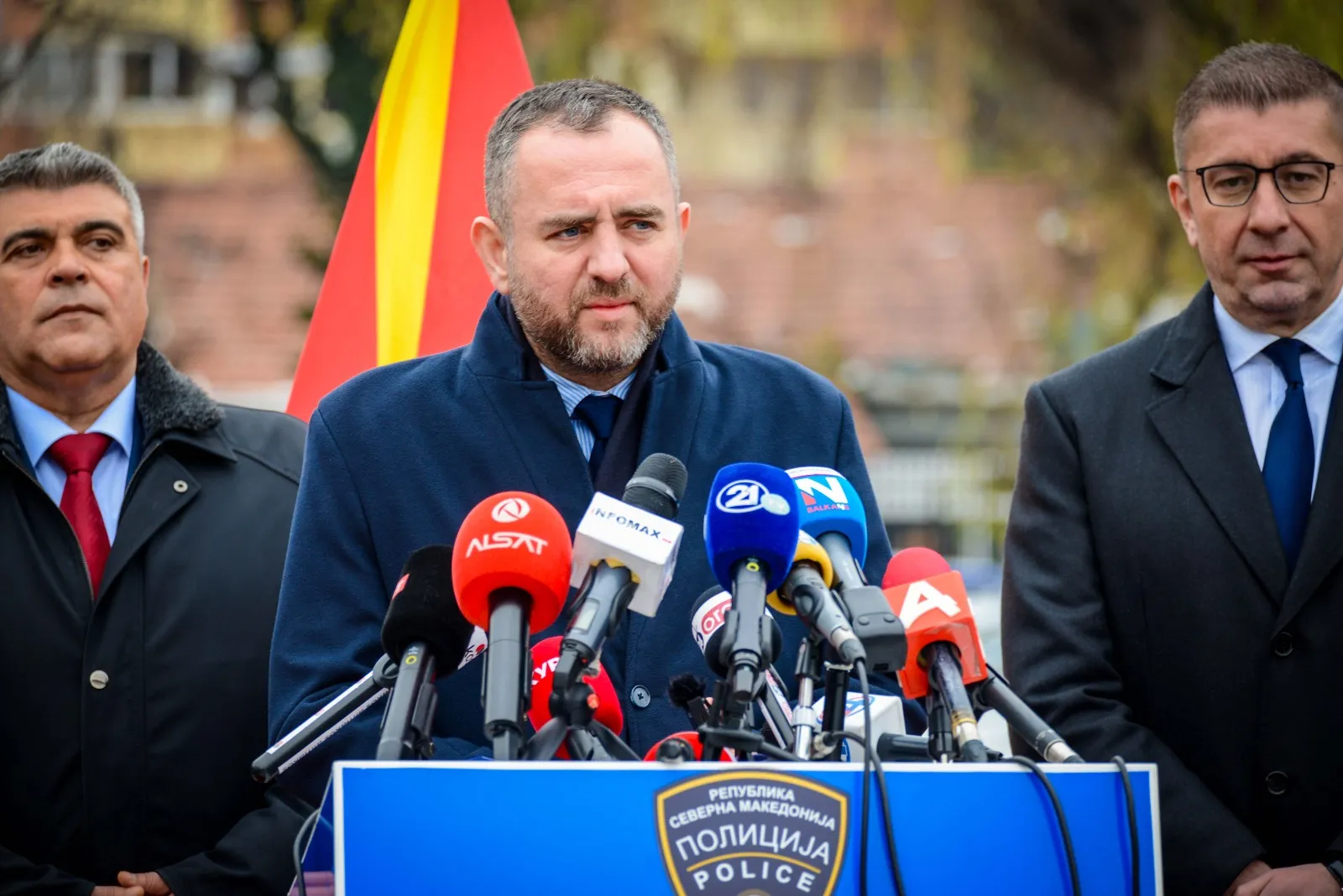
Interior minister Pance Toshkovski has announced the introduction of a „smart system" to protect victims of domestic violence. The idea, in principle, is that a victim can press one button on their phone to activate audio and video recording, while at the same time sending a location signal to the Ministry of Interior, health services and social services. All with the victim's consent.
Toshkovski claims this is an upgrade of the existing 112 emergency line, where calls are already recorded. What is new is the real-time video link. According to him, when it comes to the „right to life", no other right can be compared to it - meaning privacy steps into the shadows when there is an immediate danger.
The opposition arrived with a question: is this a smart system or surveillance software? Toshkovski replied that such accusations are „insane imagination" and manufactured fear. Translation: those who question the credibility of state power to use audio-video recording are either „crazy" or politically motivated, not citizens with legitimate concerns.
The context is serious. Macedonia has historically known cases of illegal recording and wiretapping by state institutions - cases that brought down entire governments and led to deep reforms (on paper). Experts and the Operational-Technical Agency (OTA) say: before such a system is introduced, the legal framework for procedure and oversight must be crystal clear. In other words - the system cannot be „smart" if the rules for using it are not transparent.
Five cases of domestic violence in 24 hours (see our report from today) is the reality. Victims need fast protection. That is not disputed. What is disputed - who writes the rules about which person, at what moment, and with whose oversight will have access to those audio and video recordings. Will those recordings be kept in a database, and for how long? Who will have access? Can they be used in other investigations, once they exist?
Toshkovski says everything is still in „development phase" and that there will be „institutional consultations". That is a standard formulation. The question for readers: will there be public debate with civil society before a law is adopted, or will it be pushed through quickly without serious oversight? The Ministry's history suggests the latter. Stay alert.
The latest 10 news from this category
Мицкоски од Вашингтон го поставува синџирот: гасовод, струја, дата-центри, вештачка интелигенција. Редоследот на најавите оди обратно од редоследот на градењето.
Marta Kos listed the countries getting a timetable. We are not on it. What remains is the condition we know...
Monitoring by the All for Fair Trials coalition: hearings twice a year, proceedings running up to 33 months, and young...

Of 340 million denars, only 40 million came from private money - the rest came from the State Lottery. Prosecutors...
The State Audit Office already warned that withholding the points makes favouritism possible. The rulebook requiring them to be published...
Two senior officials announced progress, the two largest parties denied it the same day. The amendments sit blocked behind 13,500...
The police acted on their own knowledge, without the PM filing anything at all. The same mechanism exists for every...
The Electoral Code is the one unfulfilled reform obligation, and the working group does not even know when it will...
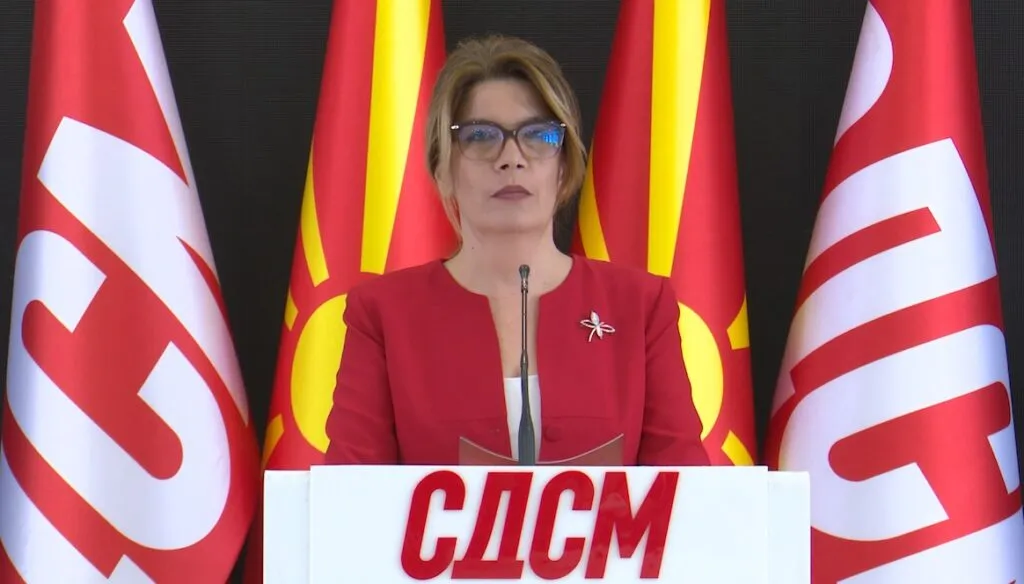
It was supposed to cost "zero denars". Now the opposition wants an investigation, and the timeline - David Guetta announced...
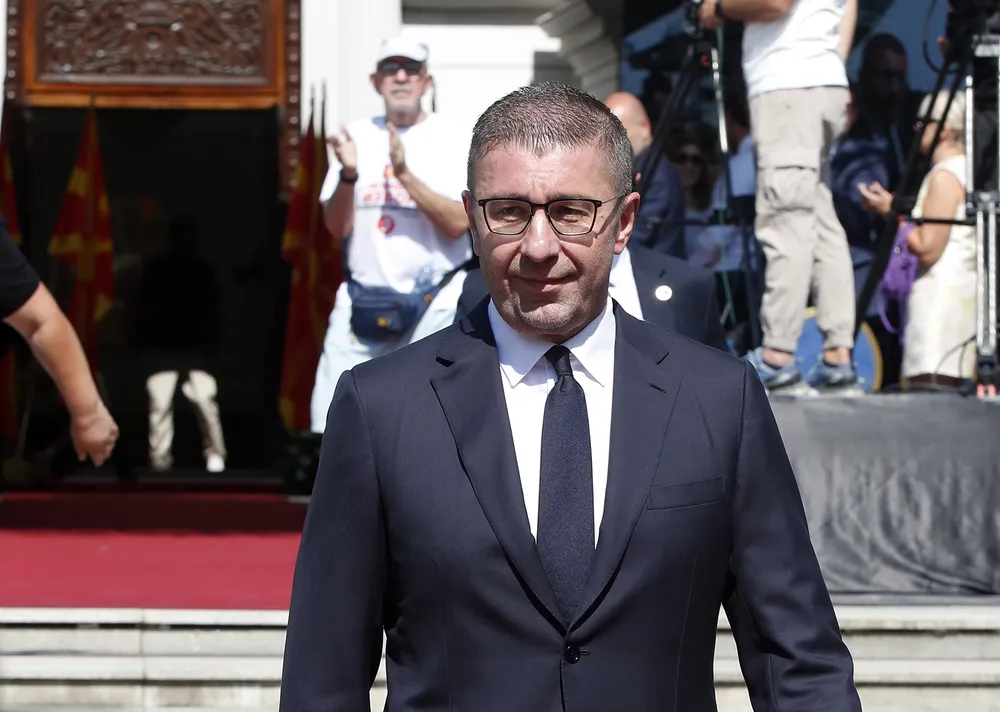
Five negations in one sentence, pension growth "16 times higher" with not a single figure beside it, and a third...
This site uses cookies - is that okay? Learn more
Be the first to know when Metla launches something new
Leave your email and we will write when there is a new guide or something new on Metla.
