Three of Four Sensors Were Dead: Skopje's Vodno Cable Car Ran Fifteen Years Without a Real Service
17.09.2026


17.09.2026

17.09.2026
17.09.2026
17.09.2026
17.09.2026
17.09.2026
17.09.2026
16.09.2026
15.09.2026

17.09.2026

17.09.2026
16.09.2026
17.09.2026

17.09.2026

17.09.2026
17.09.2026

16.09.2026
15.09.2026

17.09.2026

17.09.2026

17.09.2026

17.09.2026

17.09.2026

17.09.2026

09.03.2026

27.02.2026

19.02.2026

23.04.2026

23.04.2026

12.04.2026

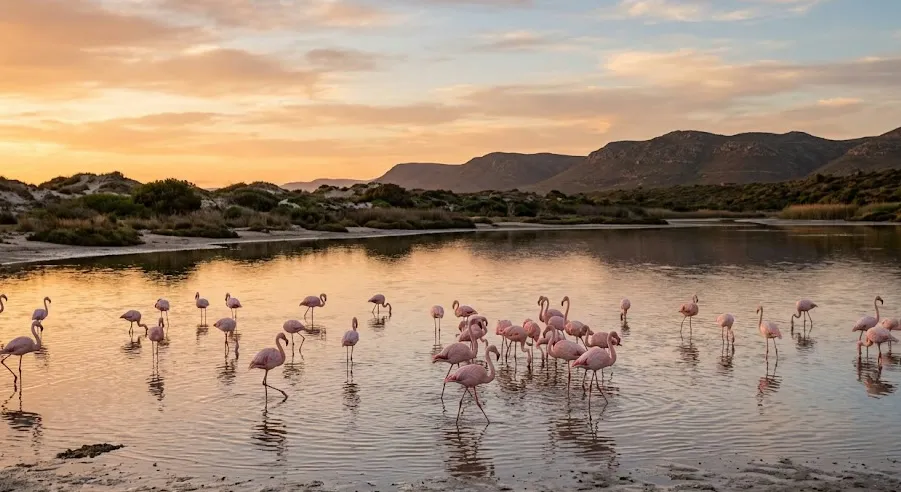
For nine days Tirana hasn't slept. Every evening demonstrators block the main boulevard in what they're already calling the "flamingo revolution", demanding the resignation of Prime Minister Edi Rama. And instead of answering the demands, Rama found the blame where you'd least expect it - in Iran.
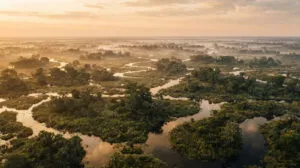
The trigger for the revolt is a luxury tourism project worth 1.4 billion euros, planned for Zvernec near Vlora and the island of Sazan - flamingo habitats. Behind the project stands Affinity Partners, the investment fund of Jared Kushner, Donald Trump's son-in-law. Citizens are up in arms over the absence of public debate, the lack of any environmental impact assessment, and the lack of transparency when a foreign investor gains access to coastal land.
Instead of listening to the people, Rama spoke of a "hybrid war" waged by Tehran and accused Iran of spreading disinformation about the project. Iran's reply was mocking: the spokesperson of its ministry called it "complete nonsense" and added they would "probably also say the flamingos themselves are Iranian secret agents".
But the most bizarre part is yet to come. On social media, Rama shared AI-generated videos in which he himself appears dressed in a leather miniskirt and a T-shirt, like an influencer reporting from the protests, with the comment: "Whoever made this deserves recognition." The prime minister of a country in crisis sharing AI parodies of himself - it's hard to invent a stronger symbol of how seriously he's taking the demands.
The European Commission has already warned that moves like this jeopardise Albania's prospects for EU membership, and anti-corruption prosecutors have opened investigations into the disputed ownership of the land. For the Balkan viewer the picture is painfully familiar: big foreign capital, local authorities looking the other way, and citizens left alone in the street to defend a stretch of coast. Has the story ever ended differently back home?
The latest 10 news from this category
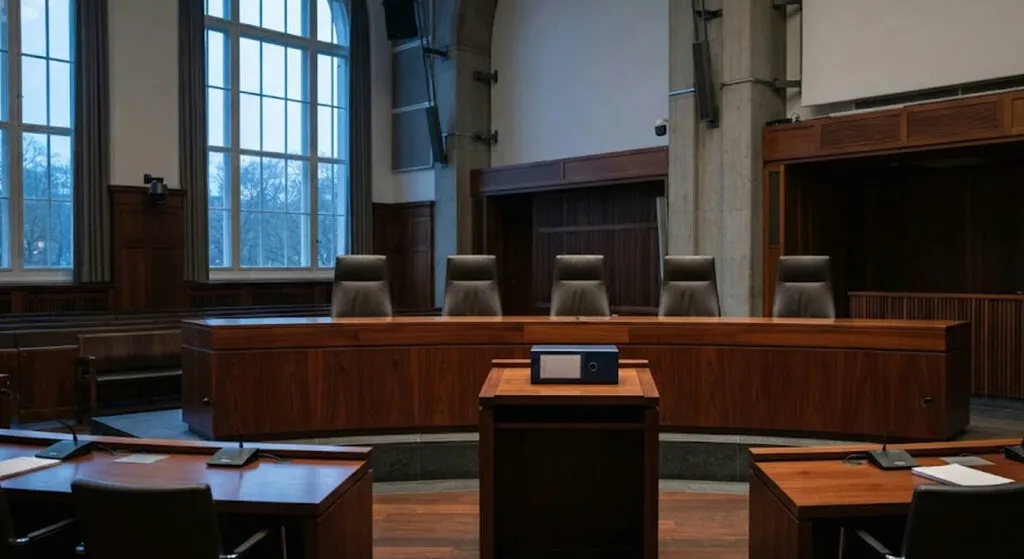
The court established responsibility for 96 killed, 303 tortured and 385 unlawfully detained. The prosecution asked for 45 years. Serbia...
Thaci and Krasniqi got 25 years each, Veseli 18, Selimi 13. The court established 385 unlawfully detained, 303 tortured and...
"If it is acceptable to the participants" - that is the entire offer. What gets negotiated is the format, not...

Thousands walked from the Rectorate to the electoral commission, and the signatures had to be queued for all weekend because...
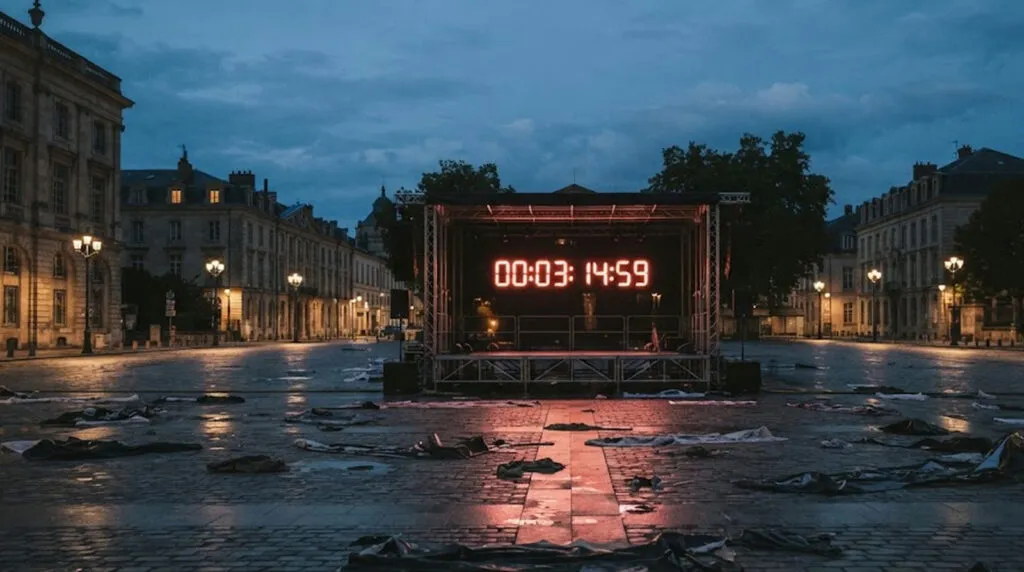
Thousands of people under a digital clock and a banner asking for them to be found innocent. On Wednesday The...
The ruling list sailed through without a single problem, the student list was left waiting in line. Nobody banned anything...
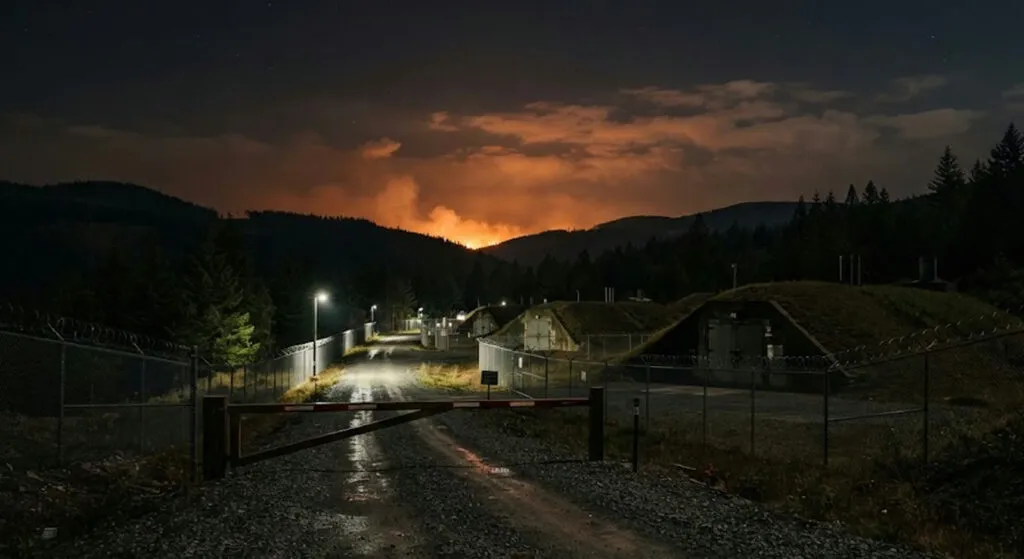
The same firm that supplied ammunition to Ukraine for years is burning for the second time in a month. Seven...
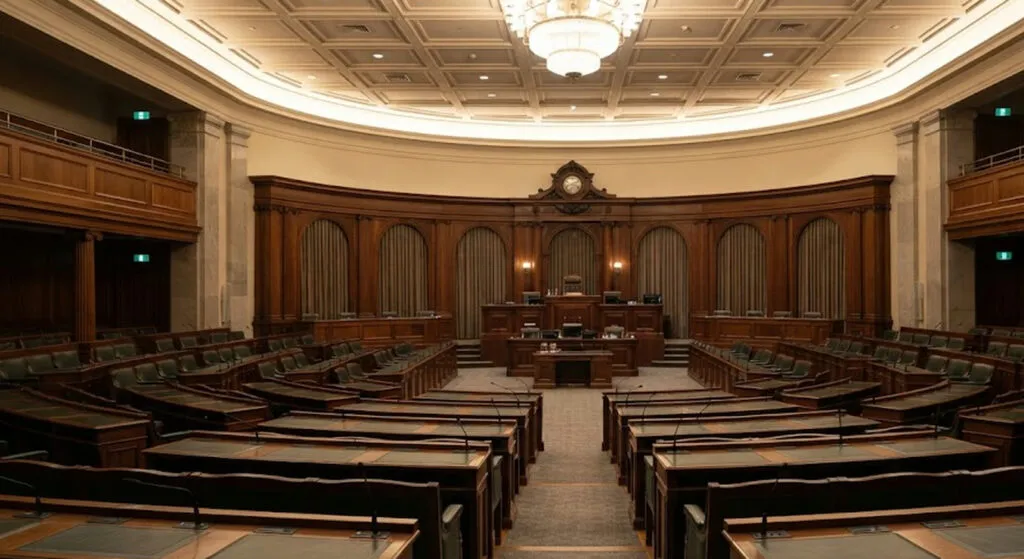
A third attempt in three years, but this time the signatures came from the government benches too. Six MPs from...
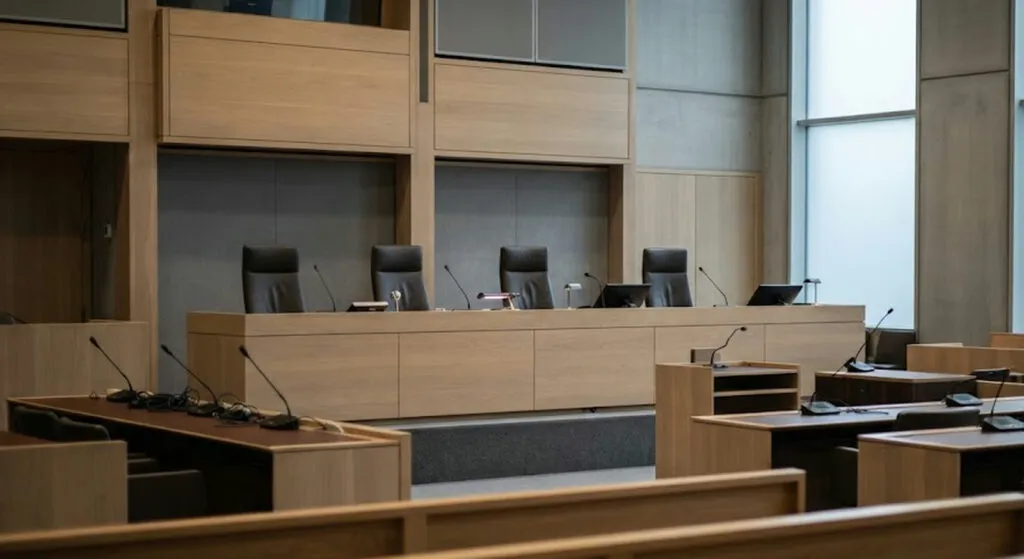
Four days before the Hague verdict, the square in Pristina told the court it should back down. Among the guests...

Nobody banned anything - the line item simply stopped paying for itself. That is the purest version of modern censorship,...
This site uses cookies - is that okay? Learn more
Be the first to know when Metla launches something new
Leave your email and we will write when there is a new guide or something new on Metla.