
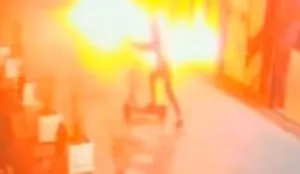
They Rode In on Scooters, Torched the Shops and Left: The Fire in Shuto Orizari Burned for Three Hours, Setting It Took Fifty Seconds
13.09.2026


13.09.2026
13.09.2026
13.09.2026
13.09.2026
13.09.2026
13.09.2026
13.09.2026

12.09.2026

11.09.2026
13.09.2026
13.09.2026

12.09.2026

13.09.2026

13.09.2026

13.09.2026
13.09.2026

12.09.2026

11.09.2026

13.09.2026

13.09.2026

13.09.2026
13.09.2026

13.09.2026

12.09.2026

09.03.2026

27.02.2026

19.02.2026
13.09.2026

12.09.2026

11.09.2026

23.04.2026

23.04.2026

12.04.2026

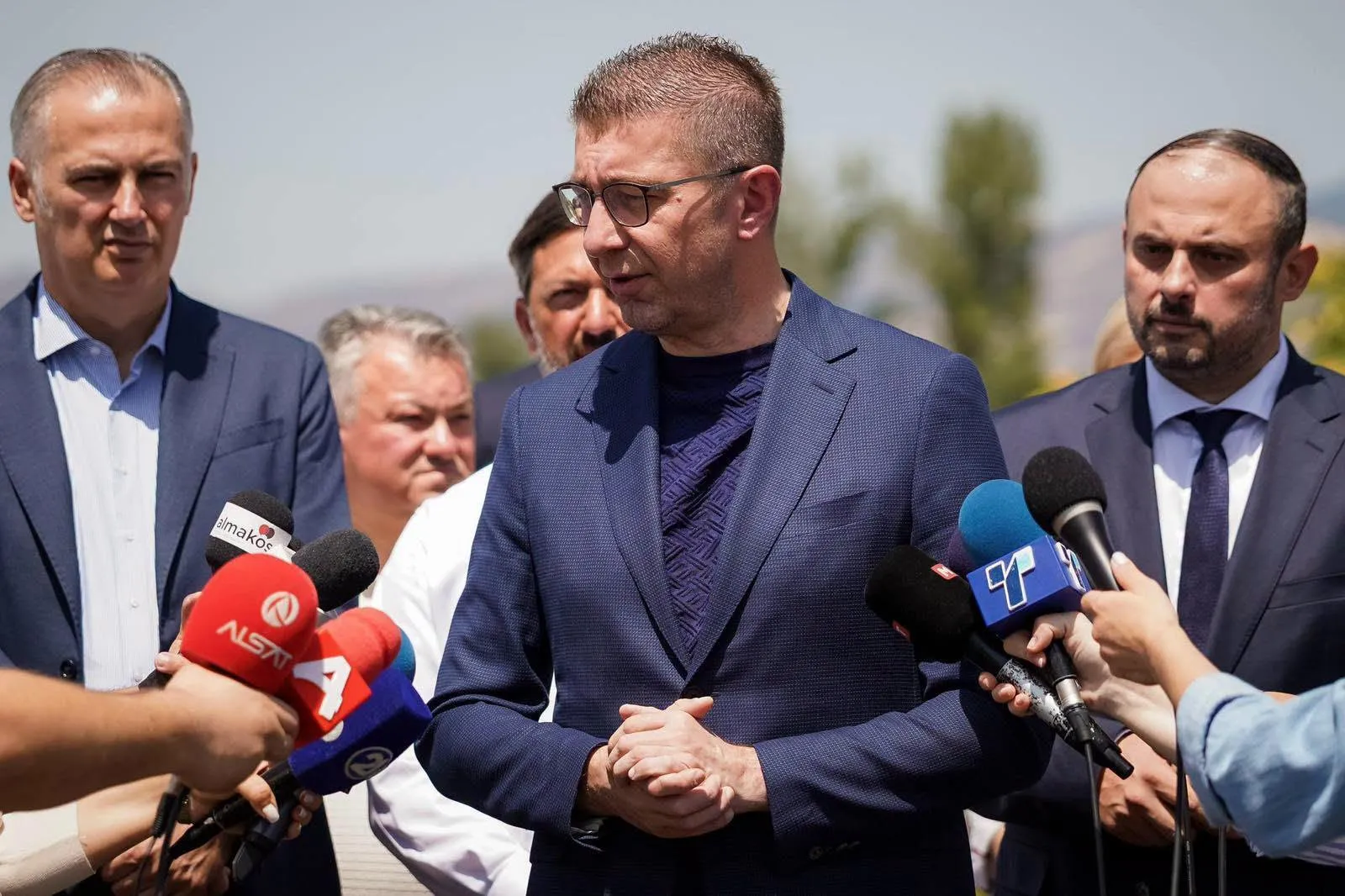
„We remain a country with by far the lowest prices in the region when it comes to petrol and diesel.” That was Prime Minister Hristijan Mickoski, adding that the government is monitoring oil on world markets and will react if needed, as it has before.
The statement came just as the neighbourhood was signalling a jump. In Croatia, petrol stations were already rationing fill-ups ahead of a significant price rise announced for Tuesday.
A low price, or lost revenue?
Here is the part worth looking at from both sides. The opposition SDSM recalls what happened the last time the price was held artificially low: by cutting VAT on fuel, Macedonia turned into the region's petrol station. Neighbours drove in, filled their tanks and left, while the budget lost a share of the tax revenue that was meant to fund wages, pensions and investment. In their telling, citizens got temporarily lower prices that soon climbed back.
This is a party critique and has to be read as one. But the mechanism it describes is real and easy to verify - when one country in the region has a price significantly below its neighbours, the cars at the border are not a coincidence.
Tariffs, in the same statement
At the same press conference Mickoski also spoke about trade with the United States. Macedonia, he says, is not covered by the new additional American tariffs of 10 to 12.5 percent imposed on 60 countries. „We are in the group of states that did not get additional tariffs, but that does not mean we trade with the US tariff-free”, the prime minister clarified. The government says that after negotiations the initial 33 percent tariffs were reduced to 15 percent, followed by adjustments in line with global decisions in the US.
So, two things in one appearance: fuel on which we remain the cheapest in the region, and tariffs that have not been abolished but have not been raised either. Both presented as good news.
The price at the pump is a number every driver sees every week and can hardly be disputed. The question rarely asked is what it costs to hold that number down and who pays for it - the budget, through lower revenue, or the consumer later, when the price climbs back. The answer will show up on the revenue side of the budget, not in press releases.
The latest 10 news from this category
The deficit target raised from 3.5 to 4.1 percent of GDP, spending growing faster than revenue, and the growth forecast...
On euro loans with a variable rate, the rise comes due at the next reset. On fixed ones, it does...
The agreed price for first class is 40 denars. At the collection points they pay 15 to 18. Across the...
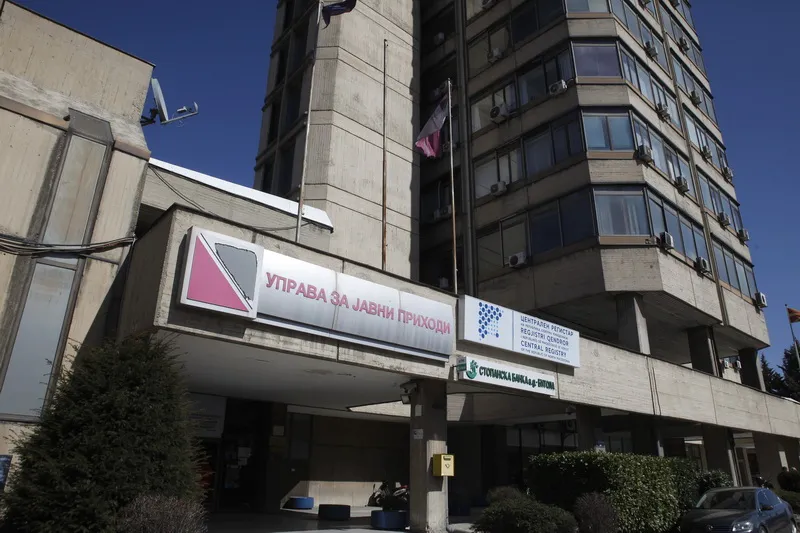
A Skopje company owes 14.87 million euros and there is nothing to recover it from. In one month the total...
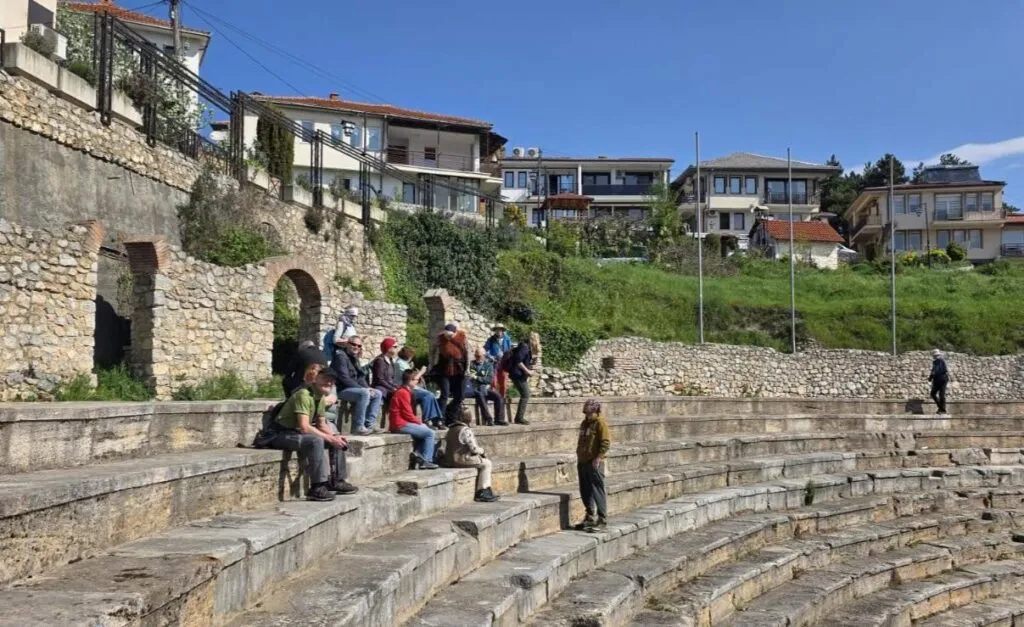
223,711 tourists and 795,083 overnight stays in July. Turkey still leads with 50,955 guests, but its number fell by 7.6...
When the two biggest firms in an industry ask for rules on how fast anyone may run, the rules rarely...
Not a single password fell. What fell was the assumption that a request from a government domain is automatically a...
The board voted, the founder kicked the administrators out of Slack and held out for three days. What does a...
An announcement is not an adopted tariff. A lower bill is good news only if its cost has not been...
The Balkans have a long tradition of producing something valuable and selling it under someone else's name. The difference between...
This site uses cookies - is that okay? Learn more
Be the first to know when Metla launches something new
Leave your email and we will write when there is a new guide or something new on Metla.
