Three of Four Sensors Were Dead: Skopje's Vodno Cable Car Ran Fifteen Years Without a Real Service
17.09.2026


17.09.2026

17.09.2026

17.09.2026

17.09.2026

17.09.2026

17.09.2026

17.09.2026

16.09.2026

15.09.2026

17.09.2026

17.09.2026

16.09.2026
17.09.2026

17.09.2026

17.09.2026

17.09.2026

16.09.2026

15.09.2026

17.09.2026

17.09.2026

17.09.2026

17.09.2026

17.09.2026

17.09.2026

09.03.2026

27.02.2026

19.02.2026

23.04.2026

23.04.2026

12.04.2026

Miloš Pejatović wanted to work as an assistant waiter on Korčula. Instead of a summer season on the Adriatic, he got a deportation order, seven days to leave voluntarily and a three-year ban on entering Croatia. The reason? Instagram posts.
The story has been unfolding since late 2019, but the final full stop was put by Croatia's Constitutional Court only now, rejecting his appeal. The Croatian Interior Ministry had denied his work-permit request after the security-intelligence agency SOA assessed that this Serbian citizen posed a threat to national security and public order.
According to the authorities, Pejatović had posted content on Instagram from positions they characterized as „Greater Serbian” - posts which, they claim, threatened violence against Croatia's territorial integrity and constitutional order and could disturb inter-ethnic relations.
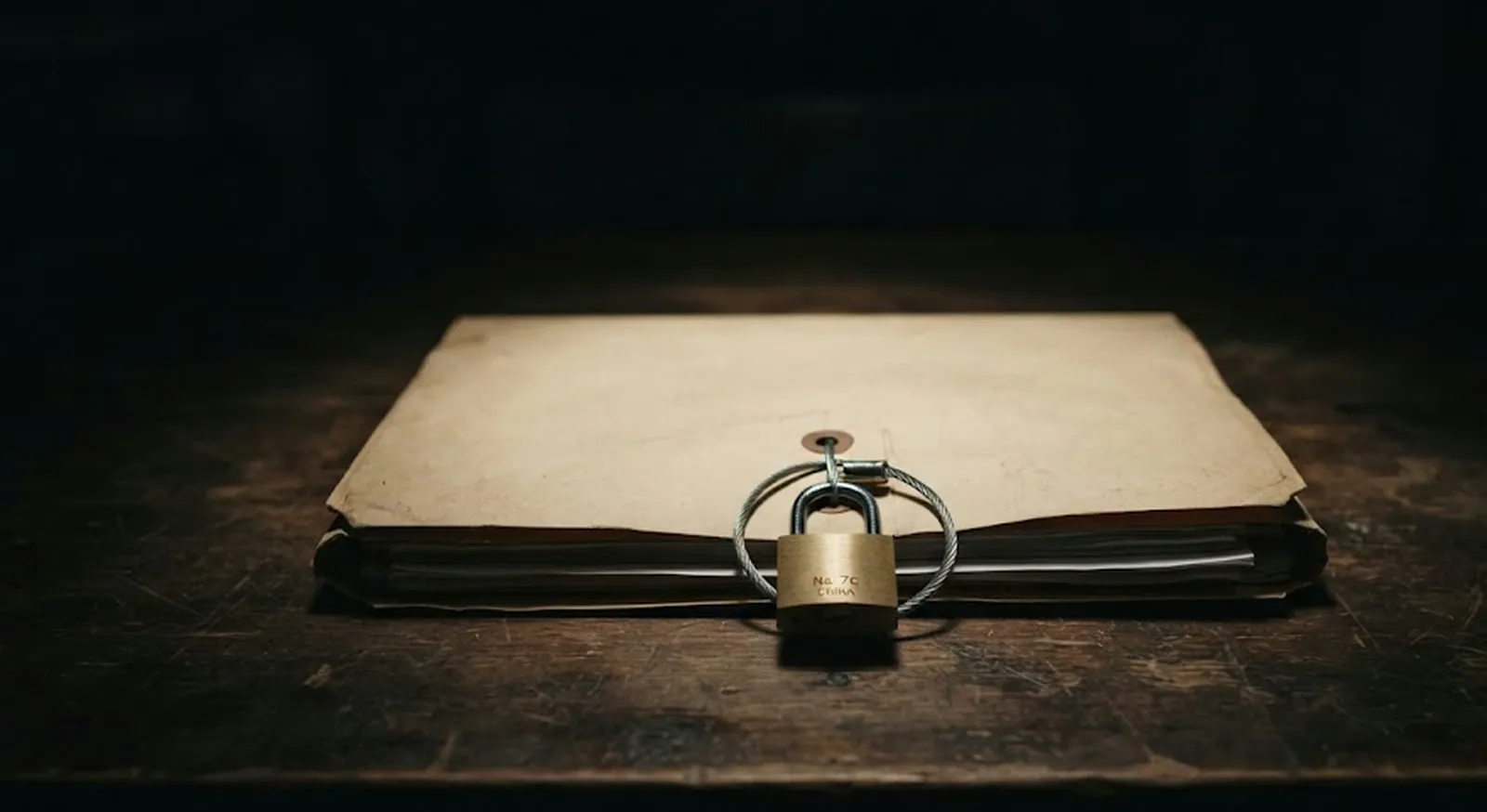
Pejatović defended himself, saying he was no security threat, and challenged the legality of the procedure. But his strongest argument wasn't about the content of the posts - it was about something every Balkan citizen ought to understand: he had no access to the secret information on the basis of which he was assessed as a threat. How do you defend yourself against evidence you're not allowed to see?
The secret evidence and the right to a defense
The Constitutional Court did not agree. It ruled that the administrative bodies and the lower courts had sufficient grounds for their decisions, that Pejatović was familiar with the reasoning and had the opportunity to respond. As for the limited access to SOA's secret data, the court concluded that this did not violate the right to a fair trial - because the administrative courts had reviewed those materials and upheld the ministry's decision.
With that, the Constitutional Court confirmed the earlier rulings of the Administrative Court in Split and the High Administrative Court. Legally - the case is closed.
But the question that remains is bigger than one waiter and one season. Where is the line between protecting the state and a person's right to see what they're defending themselves against? The Balkans has a long and painful experience with states that know everything about the citizen, while the citizen isn't allowed to know anything about their files. When a secret service claims someone is a threat, and the evidence stays under lock and key - a heavy burden falls on the courts: to trust, or to check. This time they chose to trust.
The latest 10 news from this category
The court established responsibility for 96 killed, 303 tortured and 385 unlawfully detained. The prosecution asked for 45 years. Serbia...
Thaci and Krasniqi got 25 years each, Veseli 18, Selimi 13. The court established 385 unlawfully detained, 303 tortured and...

"If it is acceptable to the participants" - that is the entire offer. What gets negotiated is the format, not...

Thousands walked from the Rectorate to the electoral commission, and the signatures had to be queued for all weekend because...
Thousands of people under a digital clock and a banner asking for them to be found innocent. On Wednesday The...
The ruling list sailed through without a single problem, the student list was left waiting in line. Nobody banned anything...
The same firm that supplied ammunition to Ukraine for years is burning for the second time in a month. Seven...
A third attempt in three years, but this time the signatures came from the government benches too. Six MPs from...
Four days before the Hague verdict, the square in Pristina told the court it should back down. Among the guests...

Nobody banned anything - the line item simply stopped paying for itself. That is the purest version of modern censorship,...
This site uses cookies - is that okay? Learn more
Be the first to know when Metla launches something new
Leave your email and we will write when there is a new guide or something new on Metla.