Six men stormed a house near Strumica and beat a family with children: the father fired into the air so someone would come
28.07.2026


28.07.2026

28.07.2026

28.07.2026

28.07.2026

28.07.2026
28.07.2026

28.07.2026

27.07.2026

27.07.2026

28.07.2026

28.07.2026

27.07.2026

28.07.2026

28.07.2026

28.07.2026

28.07.2026

27.07.2026

26.07.2026

28.07.2026

28.07.2026

28.07.2026

28.07.2026

27.07.2026

27.07.2026

09.03.2026

27.02.2026

19.02.2026

28.07.2026

27.07.2026
26.07.2026

23.04.2026

23.04.2026

12.04.2026
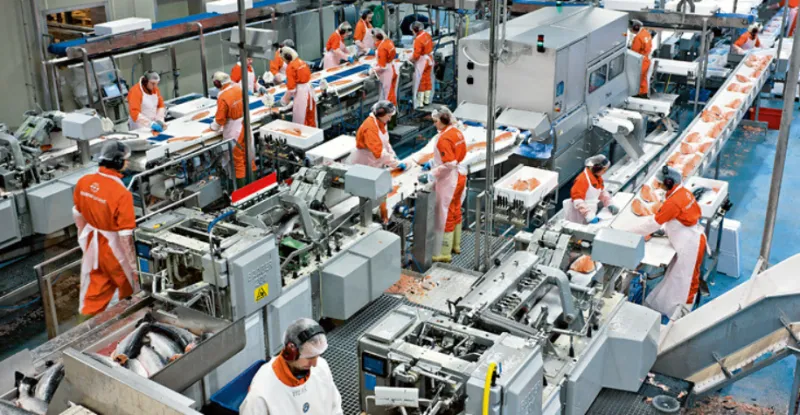
Fifteen thousand jobs. Every month. That is the figure the president of the Federation of German Industries, Tanja Gönner, used to describe the current state of German industry.
The causes she names are geopolitical: American tariff policy and China's growing industrial power, which puts additional pressure on German companies. The federation she leads brings together around 100,000 companies employing more than eight million people, which means her assessment is not the voice of one sector but of almost the entire German industrial base.
Gönner believes there is room for recovery if Germany takes timely measures, and she sees the key in investment in modern technologies, especially artificial intelligence. That is the standard formula of industry associations everywhere - when the numbers are bad, the solution is always investment in the future.
The problem with that formula is that a job which vanished this month does not come back because some company buys an algorithm next year. Artificial intelligence in manufacturing means, above all, fewer people on the line, not more. If that is the answer to losing 15,000 jobs a month, then the answer and the problem are heading the same way.
For the Balkans this is not distant news from another continent. For decades Germany has been the final destination for workers from this region and the main market for parts made in Macedonian and Serbian automotive component plants. When German industry loses 15,000 jobs a month, nobody publishes that as news from Štip or Kumanovo - but the orders placed with subcontractors are the first thing to shrink.
Is anyone in this country reading German statistics as domestic ones? At the very least, the people planning new industrial zones should be.
The latest 10 news from this category

A 5.96 percent rise for the biggest supplier. The regulator says Skopje still has the lowest price in the Balkans....
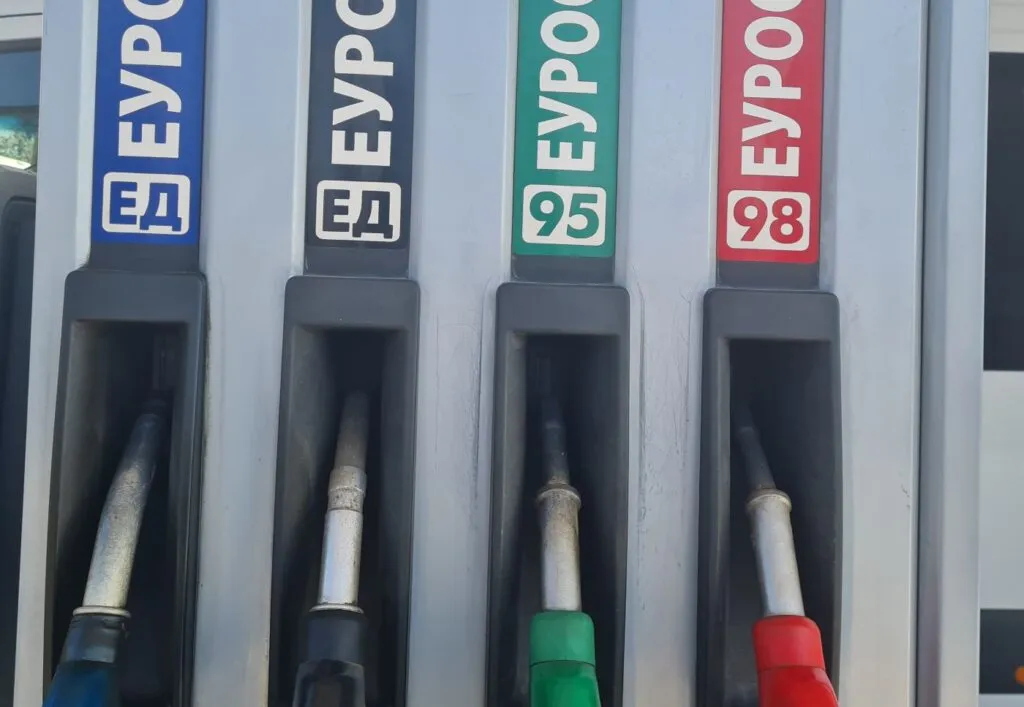
A full 50-litre tank costs 9.4 percent of the average wage here, and 5.0 percent in Croatia. Same car, same...
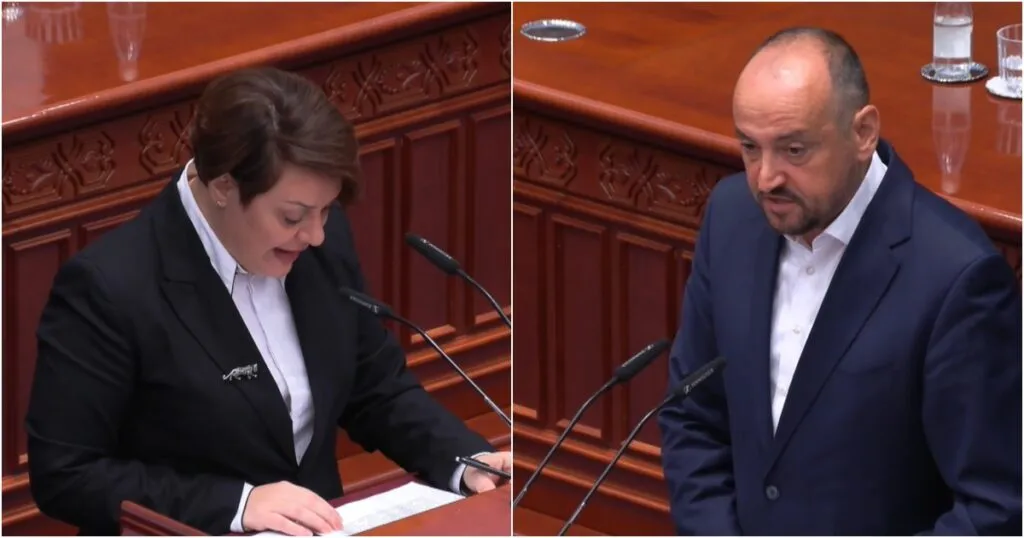
The opposition spent two days attacking the revision as proof of failed policy, then cast not a single vote against...

One Google search opened up a list of conversations people thought they were sharing with a colleague. Anthropic says the...

A lab less than a year old is putting 100 robots online to see how people want to talk to...

Three people downloaded an app that had no real iOS version and lost 1.8 million dollars. They are suing on...

Three state companies are lending money to a third state institution so it can pay an instalment to a Chinese...

Croatia is rationing fuel ahead of a price jump, while the prime minister says Macedonia remains the cheapest in the...

A Chinese model came out and Silicon Valley had another nervous breakdown. Except this time the two biggest AI firms...

Over 80 percent of all London venture capital went into a single category. Meanwhile in east London, a group of...
This site uses cookies - is that okay? Learn more
Be the first to know when Metla launches something new
Leave your email and we will write when there is a new guide or something new on Metla.