
Three of Four Sensors Were Dead: Skopje's Vodno Cable Car Ran Fifteen Years Without a Real Service
17.09.2026


17.09.2026

17.09.2026

17.09.2026

17.09.2026

17.09.2026

17.09.2026

17.09.2026

16.09.2026

15.09.2026

17.09.2026
17.09.2026
16.09.2026

17.09.2026
17.09.2026

17.09.2026

17.09.2026

16.09.2026

15.09.2026

17.09.2026
17.09.2026

17.09.2026

17.09.2026

17.09.2026

17.09.2026

09.03.2026

27.02.2026

19.02.2026

23.04.2026

23.04.2026

12.04.2026

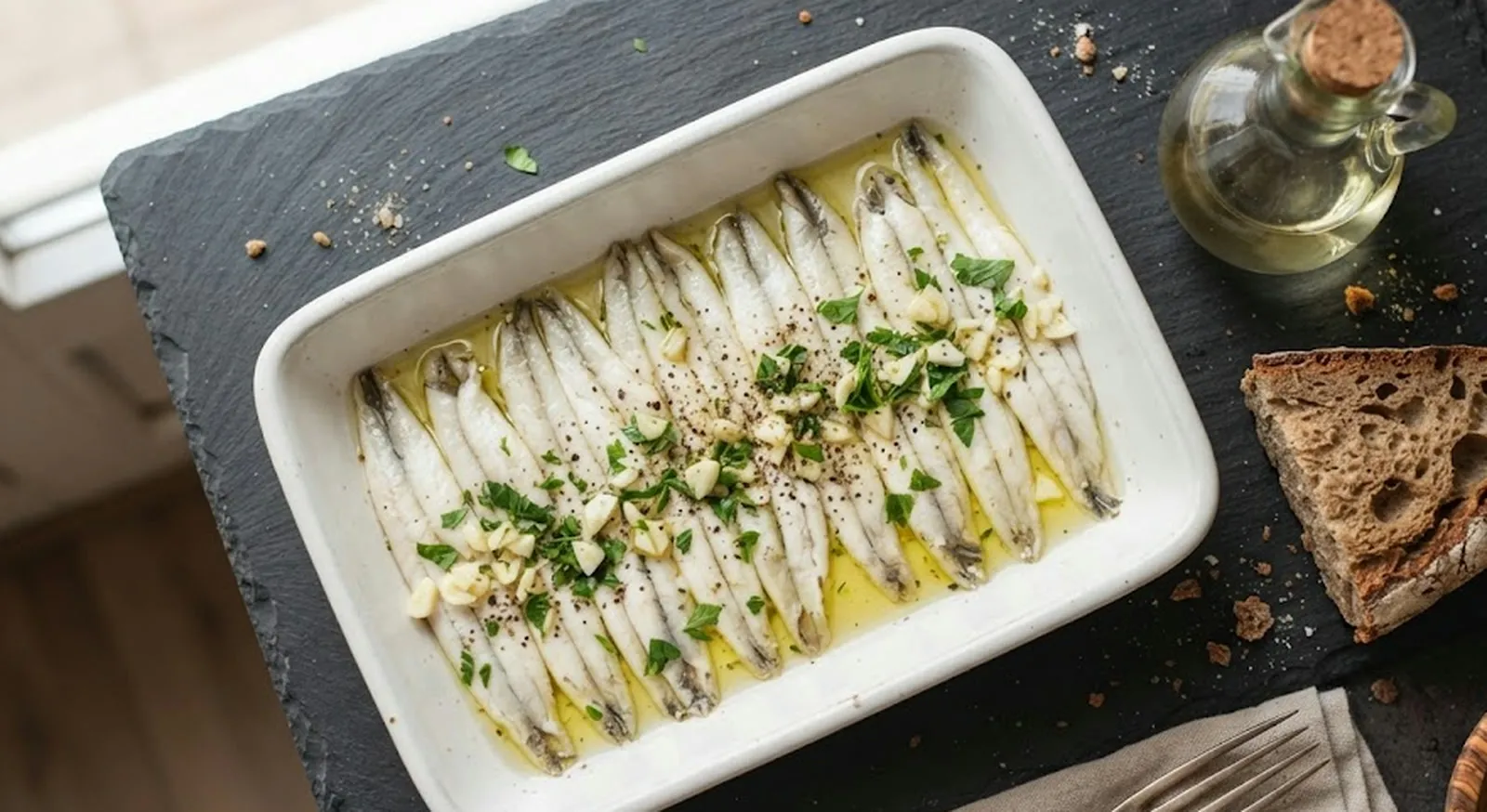
There are dishes charged as a restaurant starter that are really just fish, vinegar and patience. Marinated anchovies are exactly that kind of dish - and where everyone goes wrong, they go wrong not in the recipe but in the one step they skip.
Freezing is not optional
Before anything else: cleaned fresh fish must be frozen for at least 48 hours. This is not advice for better flavour, it is protection against anisakis - a parasite destroyed by freezing, not by marinating. Vinegar makes the fish look cooked, but it does not sterilise it. Anyone who tells you vinegar is enough is giving you a culinary tip with a medical consequence.
Ingredients
600 grams of cleaned anchovies (previously frozen), 90 millilitres of white wine or cider vinegar, three cloves of garlic, extra virgin olive oil, fine salt and parsley. That is all - no flavoured oil, no powdered additive.
Method
Defrost the fish completely in the fridge, never on the counter. Then rinse it and dry it thoroughly with a cloth or paper - moisture is the real enemy here, because it dilutes the marinade. Lay the fillets side by side in a shallow dish and salt them.
Mix the marinade at a ratio of one part water to three parts vinegar and pour it over the fish. It stays in the fridge for eight to ten hours, depending on the size of the fillets. Small anchovies need less - leave them overnight out of habit and you get fish with the texture of rubber.
Once the flesh turns white, take the fish out, rinse it with water, drain it and dry it again. Only then come the olive oil, the finely chopped garlic and the parsley. One more hour in the fridge and the dish is done.
One warning about freezing after marinating
Technically you can, but do not do yourself that favour. After defrosting the texture is no longer the same - the marinade changes the structure of the flesh and a second freeze finishes it off. This dish is made for two days, not for storing.
The whole procedure takes less than fifteen minutes of active work, spread across two days of waiting. It is a recipe that demands no skill, only organisation - and that is precisely why it was invented at a time when nobody had either a fridge or a choice.
The latest 10 news from this category
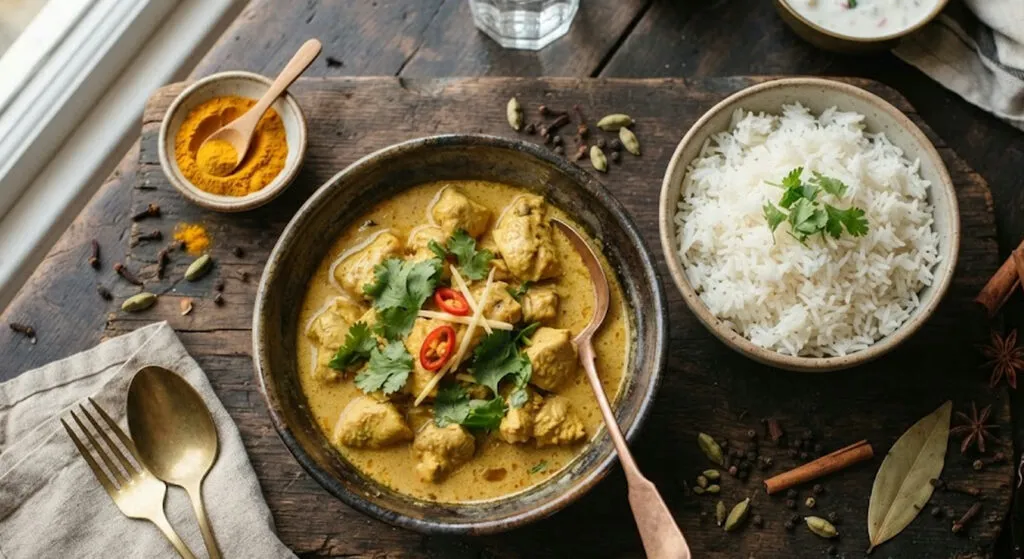
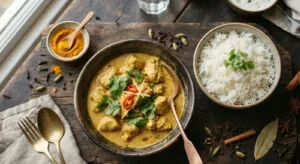
Home-made chicken curry fails at the same point for everyone. The difference is made by one step that has nothing...
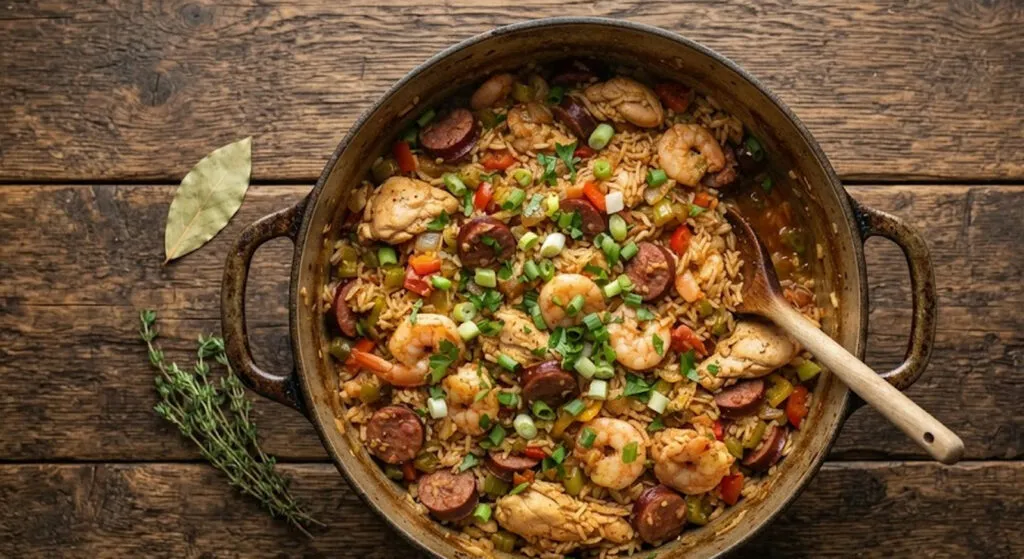
Jose Andres has lived in America for over thirty years, and when asked for his favourite American dish he named...
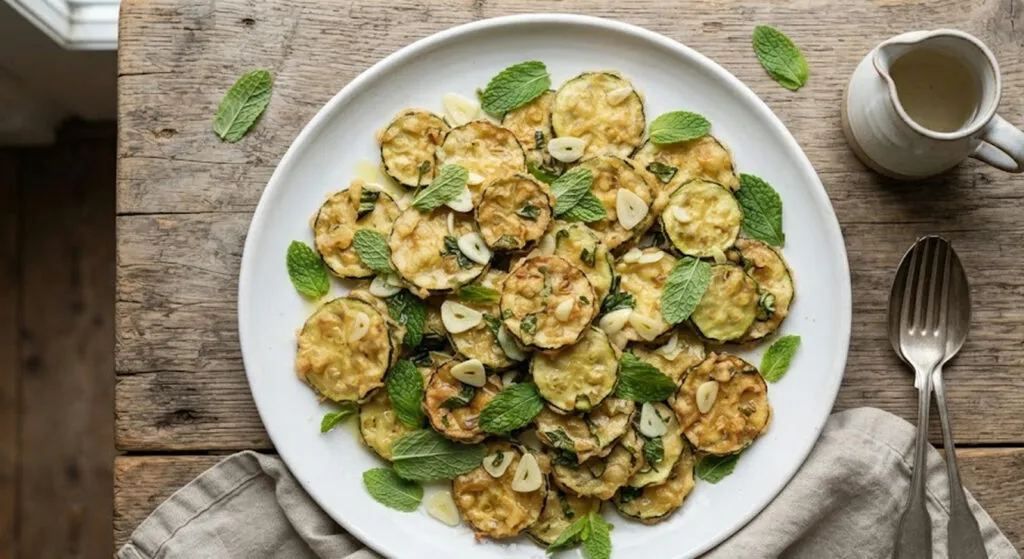
A kilo of courgettes, mint, garlic and eighty millilitres of vinegar. Not one expensive ingredient - and the water you...
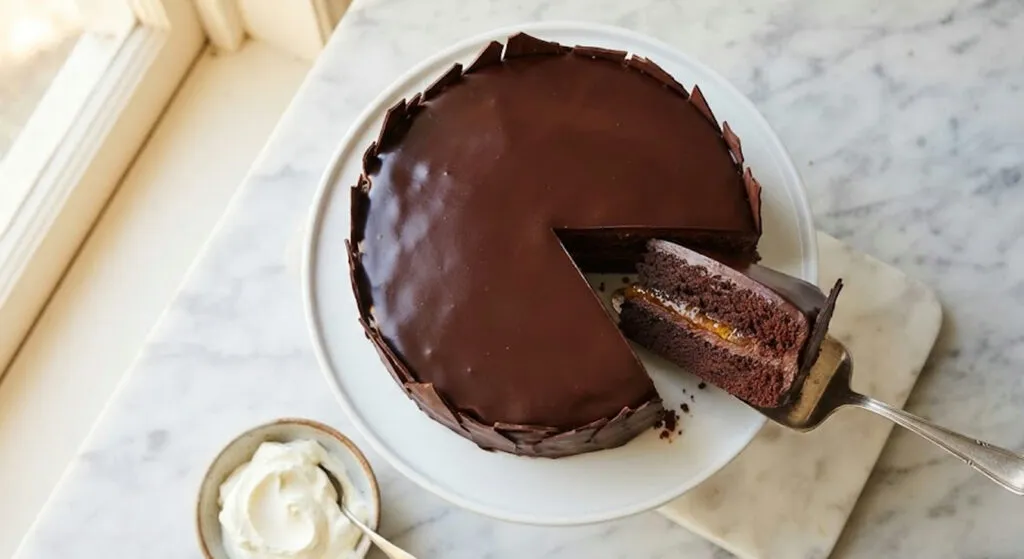
Whoever beat all the eggs together made a different cake. And the glaze must not pass 45 degrees, or the...
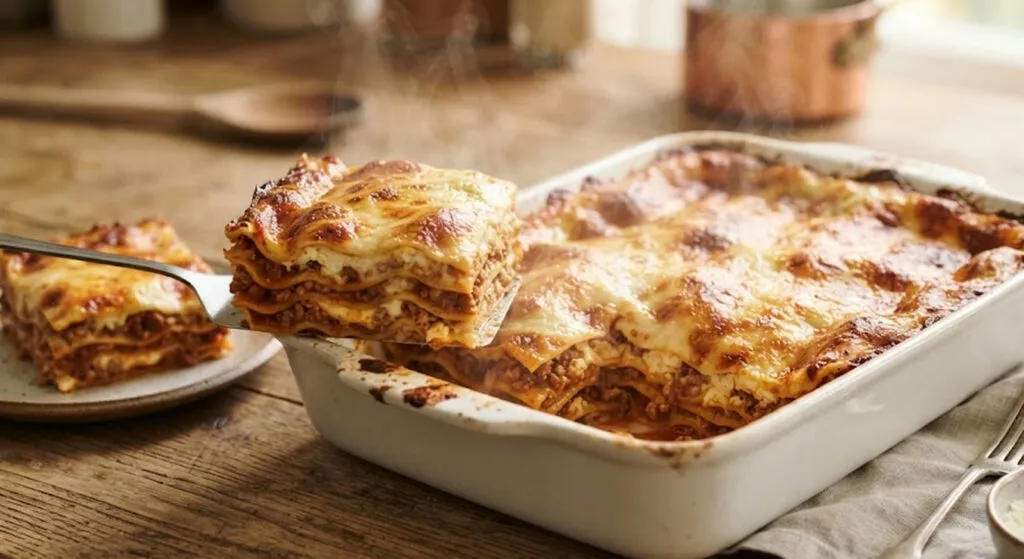
One rule applies to all three and it is the one most often skipped. It is not a recommendation to...
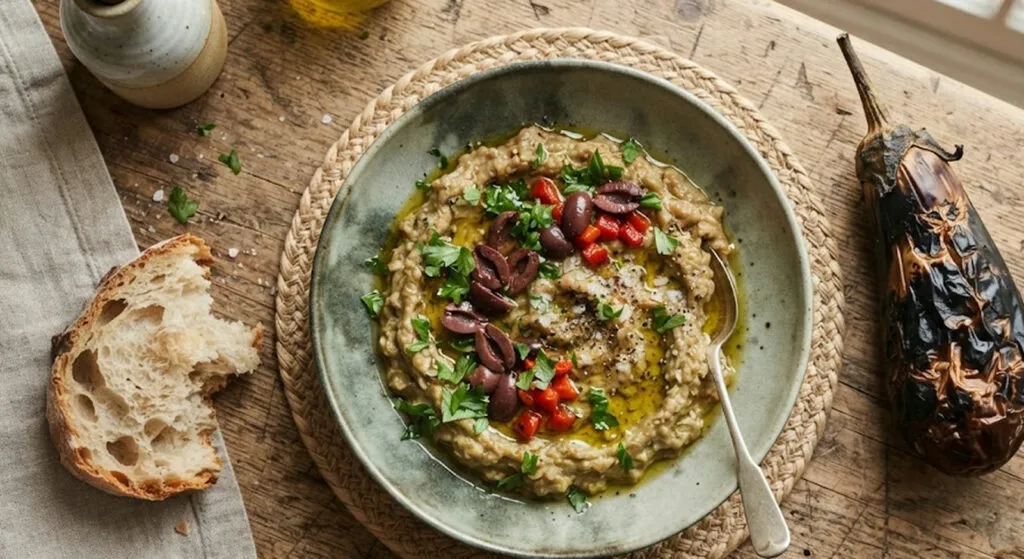
One single ingredient separates melitzanosalata from mutabal - tahini. Three aubergines, one clove of garlic, and an oven at 220...

The chicken ends up in the pan anyway. The salad that was sitting half a metre away does not.
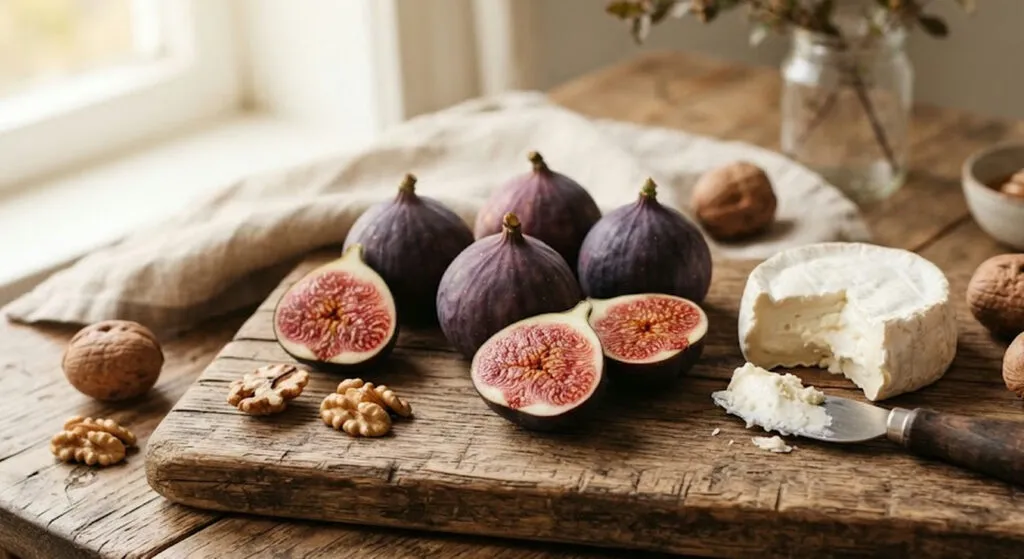
This year the season started as early as August because of the heat. From breakfast to pizza - everywhere a...
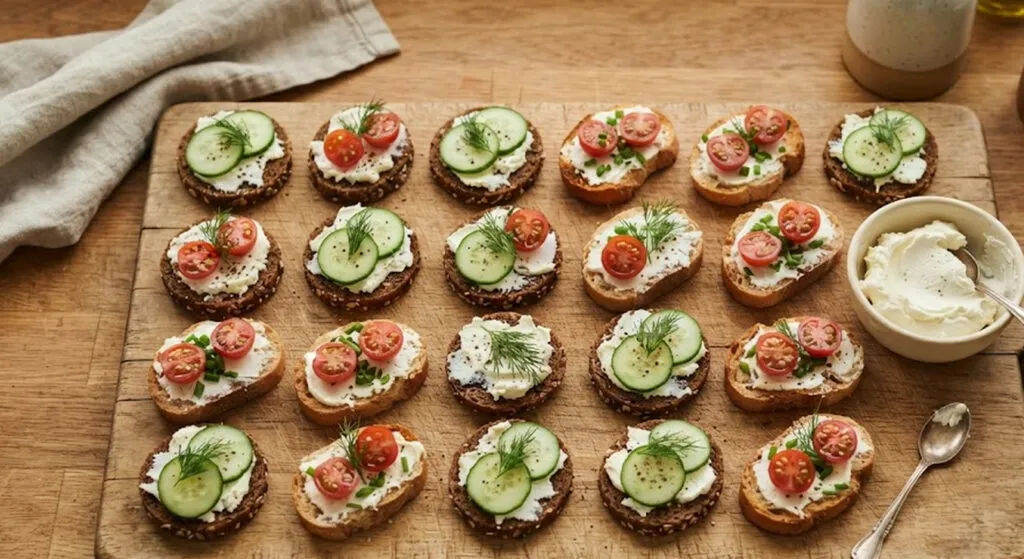
The recipe is not hard, the temperature is wrong. Ten cream cheese canapés and the two rules without which none...
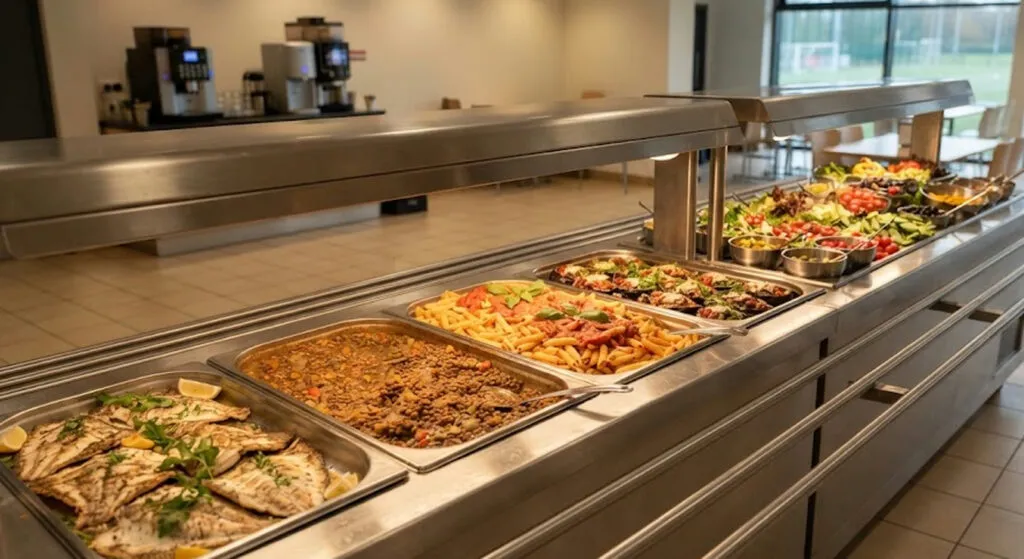
The image of boiled chicken breast is wrong. The indulgence is planned, not broken.
This site uses cookies - is that okay? Learn more
Be the first to know when Metla launches something new
Leave your email and we will write when there is a new guide or something new on Metla.