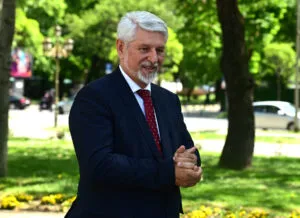
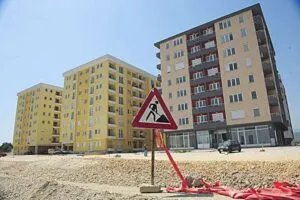
A New Criminal Complaint Against Jakimovski: A Building Permit Based on a Plan Struck Down Back in 2018
16.09.2026


16.09.2026

16.09.2026

16.09.2026
16.09.2026
16.09.2026
16.09.2026
16.09.2026
15.09.2026
14.09.2026

16.09.2026

16.09.2026

15.09.2026

16.09.2026

15.09.2026

14.09.2026

16.09.2026

16.09.2026

16.09.2026

16.09.2026

15.09.2026
15.09.2026

09.03.2026

27.02.2026

19.02.2026

16.09.2026

15.09.2026

14.09.2026

23.04.2026

23.04.2026

12.04.2026

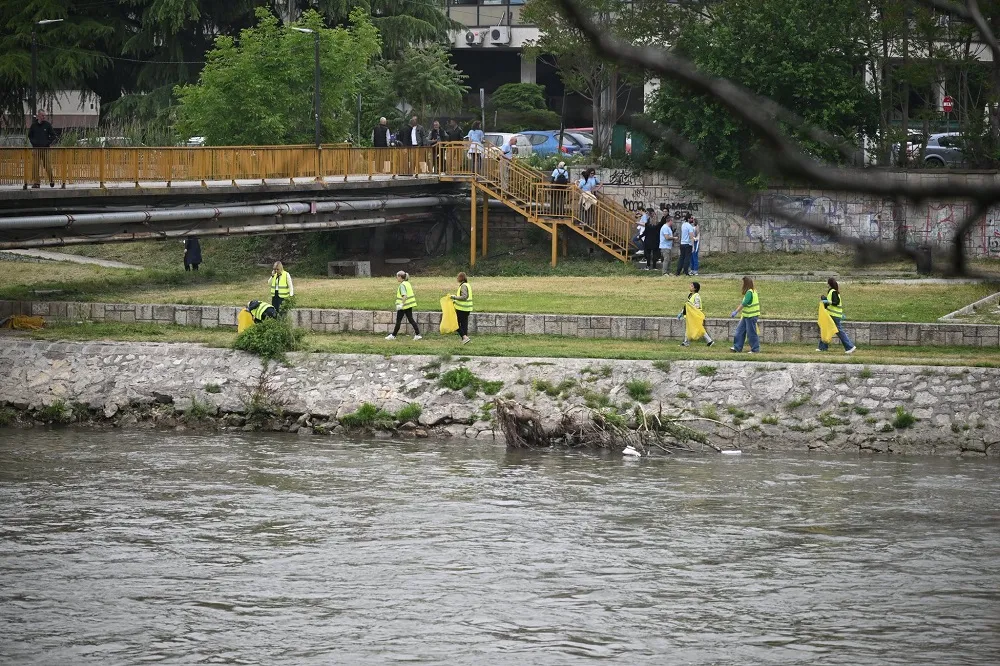
Skopje rolled up its sleeves today. "Generalka Weekend" - presented as "the largest eco-action in the Balkans" - is unfolding across 500 locations in 80 municipalities, with tens of thousands of volunteers, over 600 organisations and more than 250 state institutions and private companies taking part. An action rarely seen at this scale - but also a rare reminder that environmental responsibility is not something Macedonia can solve in one Saturday.
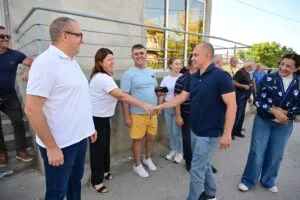
Skopje mayor Orce Đorđievski opened the action on the main square, joined by President Gordana Siljanovska-Davkova, the prime minister's wife Rozi Mickoska, Environment Minister Muamer Hodža, deputy Ane Laškoska and the Austrian ambassador Martin Pammer. All in gloves, with brooms and bags - the picture is good for Instagram. The question is whether anything goes beyond Instagram.
"Skopje is home to hundreds of thousands of citizens, a city where every day we live, work, move around and raise our children. Today's event is a strong message - that a clean environment is a shared responsibility," Đorđievski said. Siljanovska-Davkova went philosophical: "Humanity is at war with the planet, drifting toward self-destruction. Nature and life deserve special protection." Correct. The question is - what happens after Saturday?
Minister Hodža used the moment to bring the conversation back to "cooperation": "Generalka Weekend shows change is possible when citizens, institutions and the private sector act together." The Austrian ambassador called the initiative "a striking Macedonian brand." Diplomatic language - when foreigners compliment you for cleaning streets, the job clearly is not done yet.
Why does Skopje need "Generalka Weekend"? Because daily city cleaning is not enough. Because recycling is not a reality for the majority of the population. Because once a year tens of thousands of people have to be mobilised to do what in European capitals municipal services do as a matter of course. That is not a criticism of the action - it is a criticism of the system that makes the action necessary.
The question citizens should be asking is not "why can't this happen every weekend?" - but "why does Skopje need a mass of volunteers to be clean?" The Austrian ambassador can call it "a striking brand." But in the cities Skopje wants to be compared to, this kind of action is not necessary. That is the difference between institutional function and mobilisation. When institutions work, citizens live in peace. When they don't, citizens clean up themselves.
The latest 10 news from this category

The World Bank dropped out over misalignment with EU requirements. Construction will take two and a half years, and the...
Of 9,500 square metres of greenery, 268 remain. Terrain with an 80-metre height difference, no erosion study and no opinion...
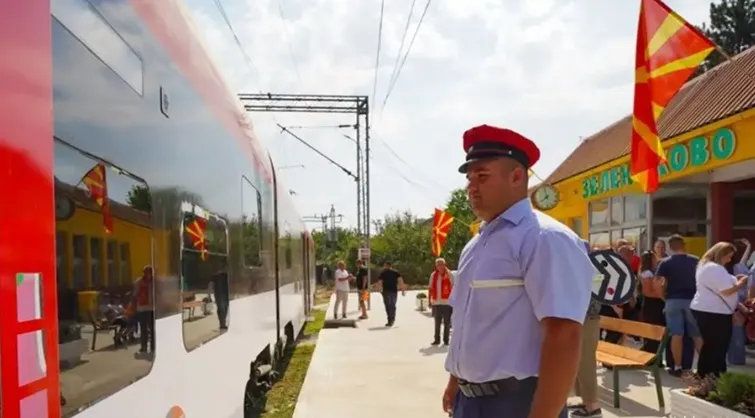
Gjorgjievski says the system should be ready by the middle of next year. The BRT tender is announced for the...
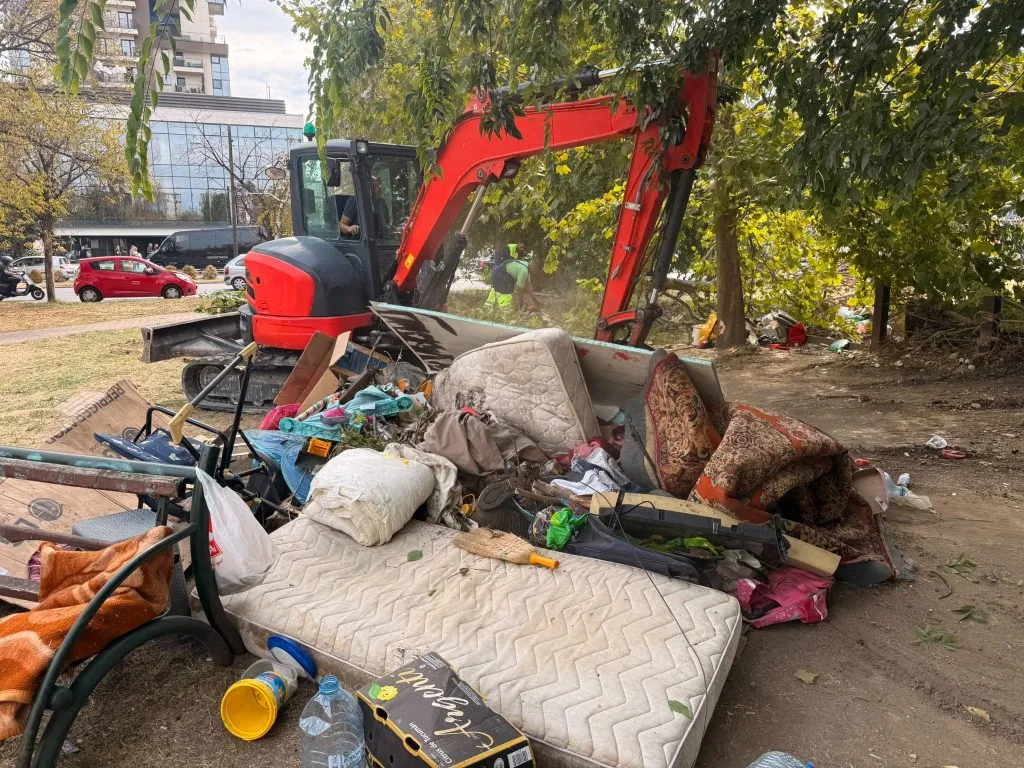
The second operation at the same site within a year. Gerasimovski himself is appealing to the Labour Ministry - because...
A prosumer scheme, a solar oven and electricity generated by bicycle on Magnolija square. The city that has paid the...
Stefanija Dimovska won two medals at IESO 2026, working in mixed international teams. Before that she was also national champion...
Out of nearly 4.7 million denars, the municipality is putting in around 180,000. The rest comes through the Bureau for...

Ten years working inside the health system - and she still had to pull strings to be admitted. The clinic...
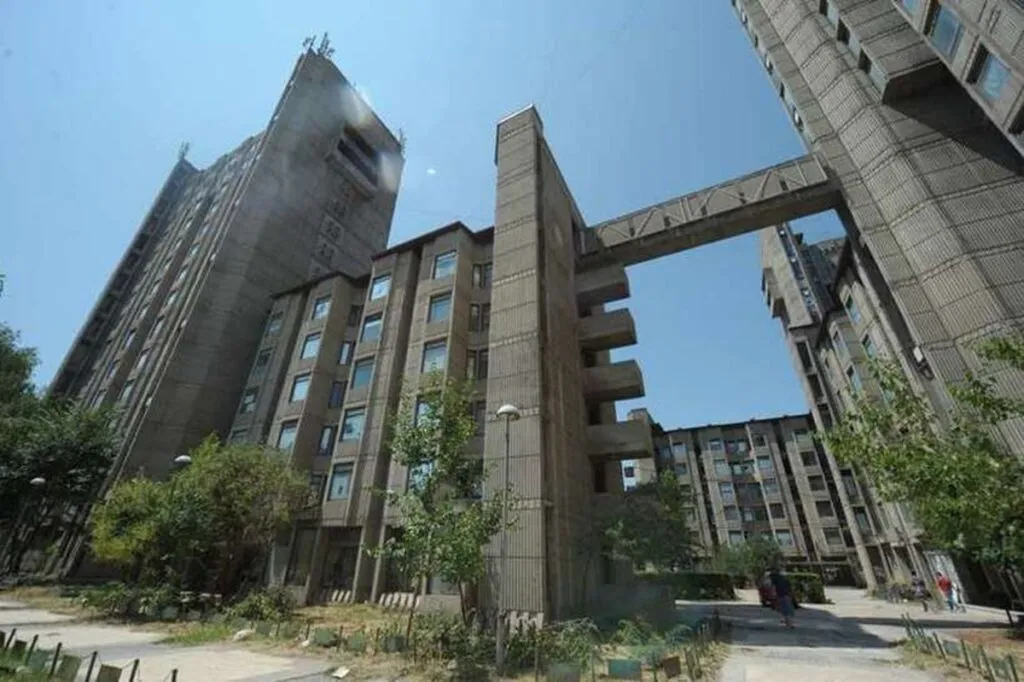
Appeals run from 15 to 25 September. There is not enough space at Goce Delčev, so students go to Stiv...
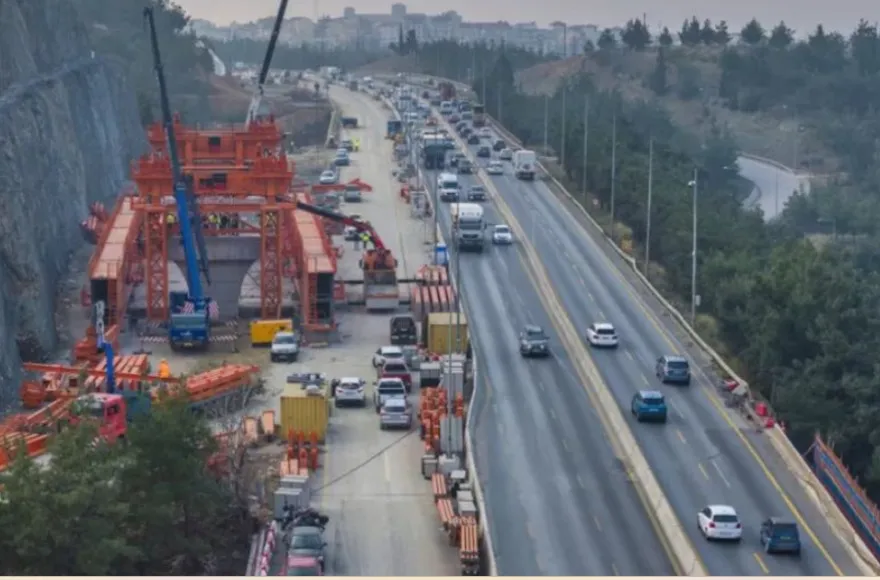
From 23:00 to 05:00 there is no getting through towards Evzoni. Towards Halkidiki - business as usual. Those heading on...
This site uses cookies - is that okay? Learn more
Be the first to know when Metla launches something new
Leave your email and we will write when there is a new guide or something new on Metla.