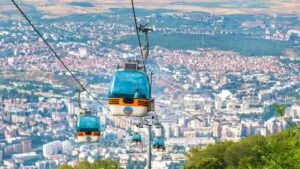
Three of Four Sensors Were Dead: Skopje's Vodno Cable Car Ran Fifteen Years Without a Real Service
17.09.2026


17.09.2026

17.09.2026

17.09.2026

17.09.2026

17.09.2026

17.09.2026

17.09.2026

16.09.2026

15.09.2026

17.09.2026

17.09.2026

16.09.2026

17.09.2026

17.09.2026

17.09.2026

17.09.2026

16.09.2026

15.09.2026

17.09.2026

17.09.2026

17.09.2026

17.09.2026

17.09.2026

17.09.2026

09.03.2026

27.02.2026

19.02.2026

23.04.2026

23.04.2026

12.04.2026


Prime Minister Hristijan Mickoski has announced the Demographic Resilience Strategy 2026-2046 - an ambitious plan that the government is presenting as „a national framework for the future of the state". At a regional ministerial conference in Skopje with 200 foreign experts, Mickoski sent his message to the young: „Don't contribute to other people's economies - the future of your homeland depends on you."
It sounds good. But when a prime minister talks about demographic resilience, it's reasonable to ask: what is the starting point? Macedonia is losing young people at an annual pace - 30,000 to 50,000 emigrate every year, according to official estimates. Why? Not because Macedonia is a bad place - but because the conditions for life, salaries, healthcare and education are below the level that would keep them.
The strategy includes plans for 19 new kindergartens, financing for childcare and elderly care. Those are good steps. But 19 kindergartens don't solve the core problem. A young person who finishes university and earns 25,000 denars net, while an apartment in Skopje costs 60,000 euros, will not stay because of 19 new kindergartens. They will go to Germany, where the same training pays three times more.
Minister Fatmir Limani says: „We are creating conditions in which young people will see their future at home - with stable jobs, quality public services and a secure perspective." Those are exactly the words that have been repeated for 30 years. The question is: what is new? Specifically, by how much will salaries rise? How big will the subsidy be for a first apartment? Where are the details?
UNFPA expert Pio Smith warned that demographic changes are „a mega-trend that will define the century" and require urgent, coordinated responses to prevent systemic collapse in education and elderly care. That is a well-known fact. But for Macedonia it says: we are not the exception, and without serious measures, we will be the first to enter the spiral.
We'll be watching the 2026-2046 strategy - perhaps with a little more scepticism than the prime minister would like. Twenty years is a long time. Many demographic-revival plans across the Balkans have, in the past, remained just paper documents. Macedonia's future does not depend on kindergartens - it depends on whether the state can build an economy capable of retaining its young people. That is not in this strategy - so far.
The latest 10 news from this category
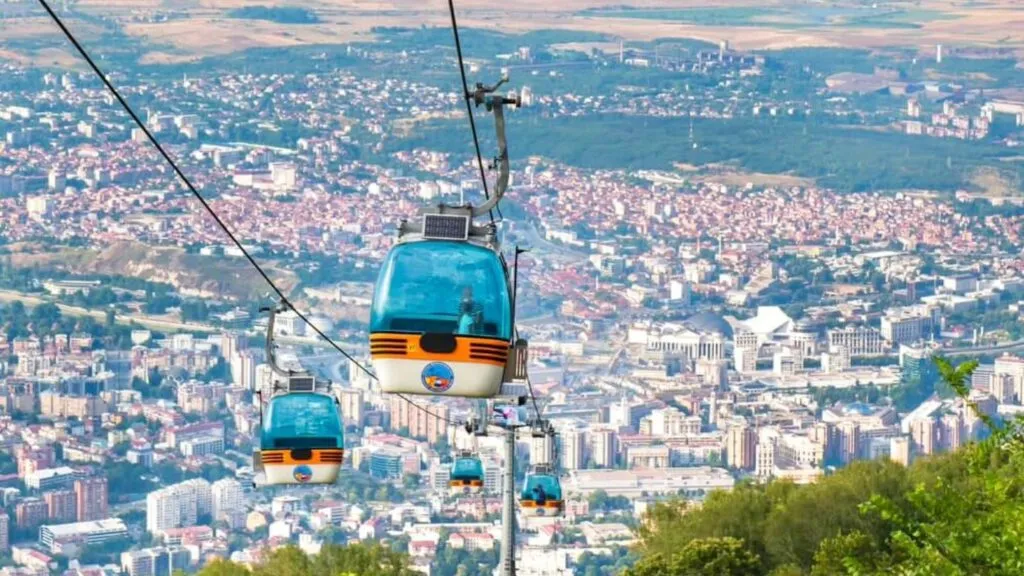
The mayor says the cable car was one step away from tragedy. The manufacturer's report found worn-out parts and dead...
One ticket for both train and bus by the middle of next year, 40 new eco-friendly buses, waits under six...
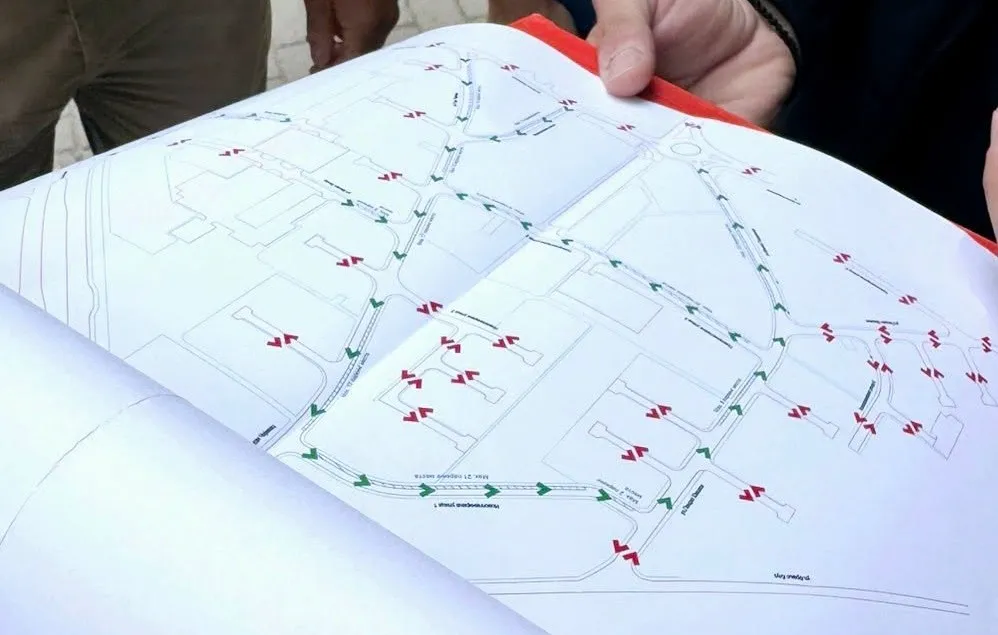
Two streets go one-way, cycle lanes appear and the speed limit drops to 30 km/h. The question nobody answered is...
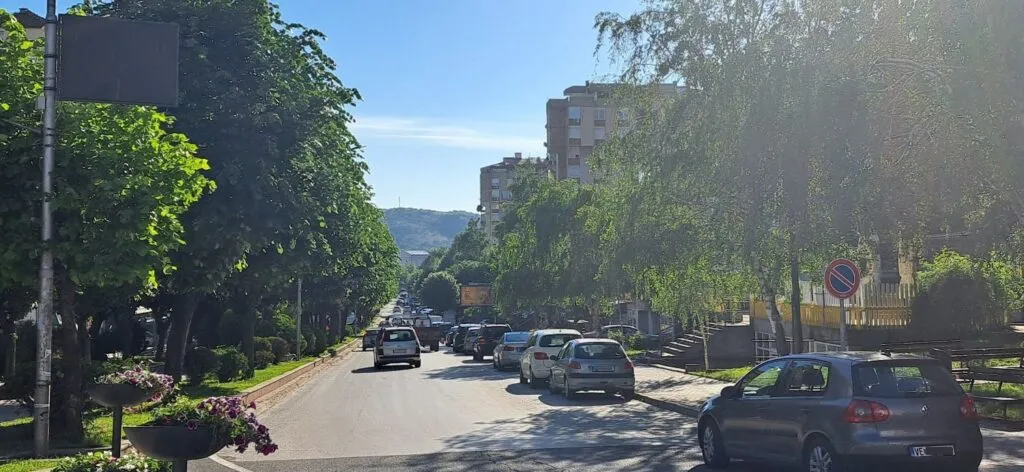
The same system ran for six months and was scrapped over losses. The question facing every councillor is simple -...
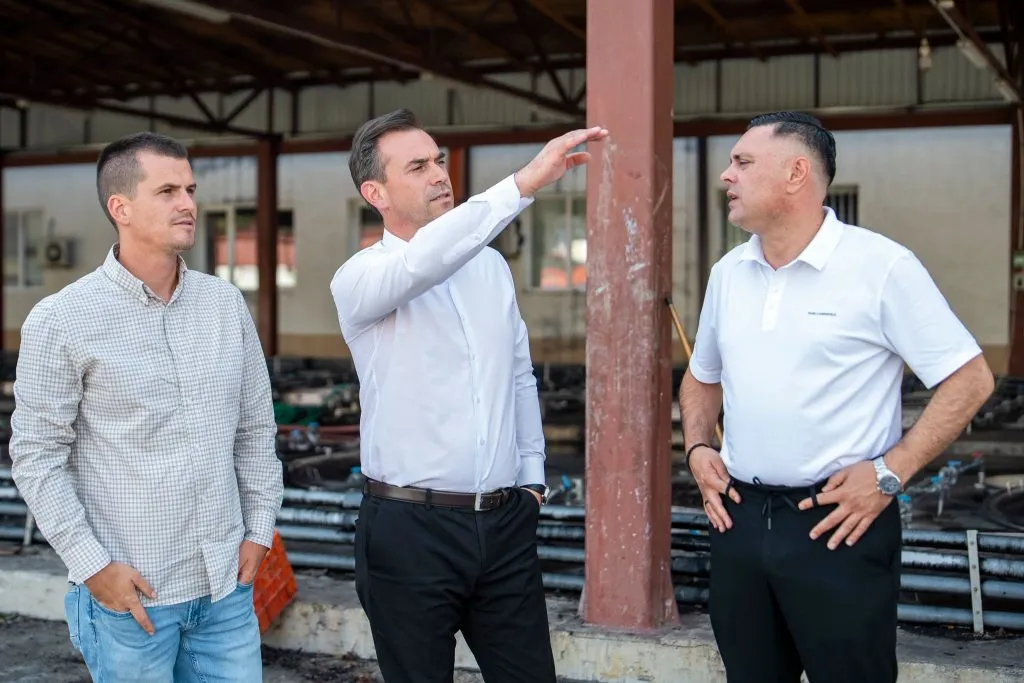
Every healthy Vranec grape has been promised a buyer. Who decides what counts as healthy and in good condition is...

The World Bank dropped out over misalignment with EU requirements. Construction will take two and a half years, and the...
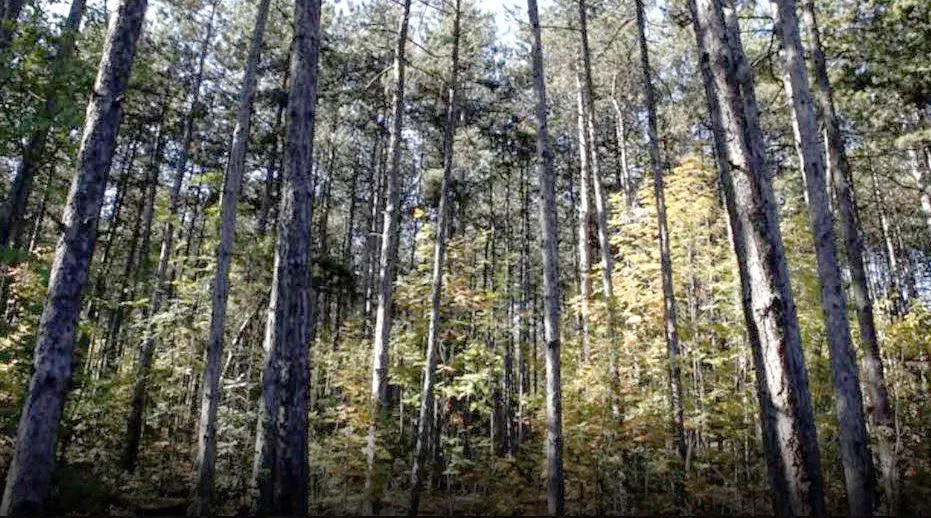
Of 9,500 square metres of greenery, 268 remain. Terrain with an 80-metre height difference, no erosion study and no opinion...

Gjorgjievski says the system should be ready by the middle of next year. The BRT tender is announced for the...
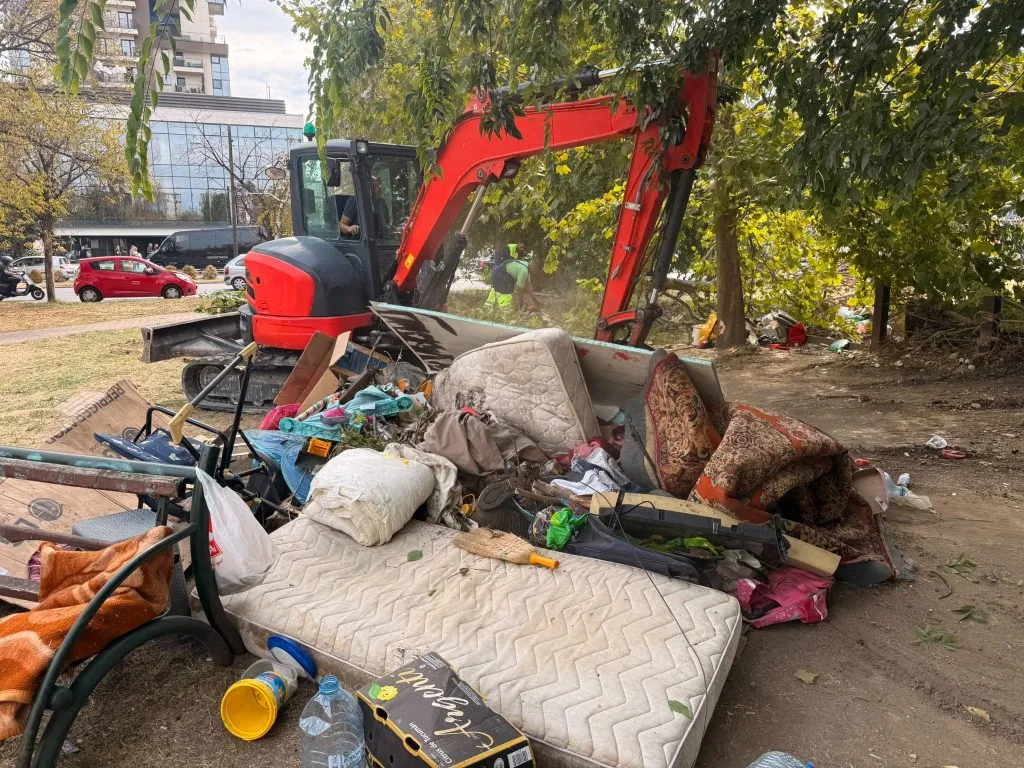
The second operation at the same site within a year. Gerasimovski himself is appealing to the Labour Ministry - because...
A prosumer scheme, a solar oven and electricity generated by bicycle on Magnolija square. The city that has paid the...
This site uses cookies - is that okay? Learn more
Be the first to know when Metla launches something new
Leave your email and we will write when there is a new guide or something new on Metla.