
Six Years of Fake Licence Categories Issued From an Interior Ministry Desk: Six Charged, 21 More Under Investigation
21.09.2026


21.09.2026

21.09.2026

21.09.2026

21.09.2026

21.09.2026

21.09.2026

21.09.2026

20.09.2026

20.09.2026

21.09.2026

21.09.2026

20.09.2026
21.09.2026

21.09.2026

21.09.2026

21.09.2026

20.09.2026

19.09.2026

21.09.2026

21.09.2026

21.09.2026

21.09.2026

21.09.2026

21.09.2026

09.03.2026

27.02.2026

19.02.2026

21.09.2026

21.09.2026

20.09.2026

23.04.2026

23.04.2026

12.04.2026


Every summer the same panic - a brush full of hair, a clogged drain, and the conclusion that your hair is falling out. Dermatologist Cristina de Hoyos says a different question has to be answered first: is the hair actually falling out, or is it breaking?
"Shedding and breakage can coexist, especially in summer, but they are different processes," she explains. In shedding, the hair separates from the root. In breakage, the follicle stays in place and the hair itself gives way somewhere along its length. The distinction is not academic - one is temporary and seasonal, the other means weakened hair that needs an entirely different kind of care.
How to tell the difference
Katrina Riera advises looking closely at a hair from the brush. If one end has a small whitish bulb, the hair has separated from the follicle and this is genuine shedding. No bulb, and it is most likely breakage. De Hoyos adds: "if both ends are thin or look frayed, it most likely broke".
The second indicator is length. With normal shedding, the hairs are as long as the rest of the hair. With breakage they are short and uneven, and usually come as a package with split ends, rough texture, lost shine and hair that is hard to detangle. "Breakage usually shows up as hair losing quality, not quantity," the dermatologist sums up.
The number that settles the summer panic
Here comes the figure worth remembering: "Physiologically we lose between 50 and 100 hairs a day, regardless of whether the hair is long or short". Length changes nothing about the number - it only changes how much space those hairs occupy. Fifty centimetres looks far more dramatic than five. Riera confirms the same: the same number of long hairs creates the impression of far greater loss.
There is a second optical effect. When hair is long and washed less often, hairs that have already shed stay trapped for days, then come out all at once in the shower. It looks like sudden loss. It is not.
What actually damages hair in summer
Riera explains that sea salt and chlorine from pools dehydrate the hair fibre, increasing dryness and the tendency to break. Add straighteners, a hairdryer on high heat and tight hairstyles - and the damage accumulates. De Hoyos warns that towards the end of summer two things can overlap: more breakage from a damaged shaft, and a temporary increase in seasonal shedding.
The mistakes are predictable. First, washing too rarely - summer brings sweat, salt, chlorine, sand and sunscreen residue, and prolonged contact irritates the scalp. Second, damp roots for hours: despite the heat, humidity in the air prolongs drying. Third, too much heat from appliances on a fibre already dried out by sun and seawater.
Practically: a hat or cap for less exposure, sunscreen for hair and hydrating masks, rinsing with fresh water immediately after swimming, detangling from the ends upward, and looser hairstyles.
When it is no longer seasonal
Seasonal shedding lasts six to twelve weeks and can start before autumn. If it lasts more than three months, if density has visibly decreased, or if the scalp is showing, it is time for an examination. De Hoyos adds more signs: a widening parting, clear bare patches, itching, pain, inflammation or flaking. An examination is also worth it if the shedding coincides with anaemia, hormonal changes, a recent illness, significant weight loss or major stress.
The most important sentence in the whole piece is the dermatologist's last one: breakage and shedding from the follicle require different treatments. A mask improves a dry fibre, but does nothing when the problem lies in the hair cycle. So: diagnosis first, bottle second - and the industry usually offers the reverse order.
The latest 10 news from this category
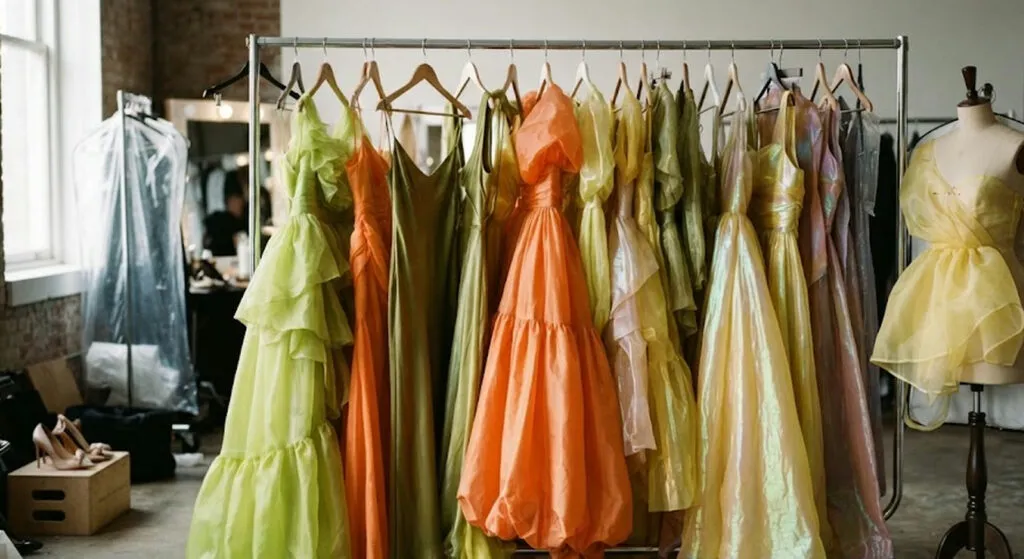
Three days in a lab coat with colorimetry scientists to produce a collection in lime and tangerine. The design director...

Cream concealer instead of powder, a brown pencil instead of black eyeliner, and a curler before the mascara. Not one...

A boat-neck gown and wildflowers that deliberately refuse to compete with the jewellery. A fourth generation under the same diadem,...
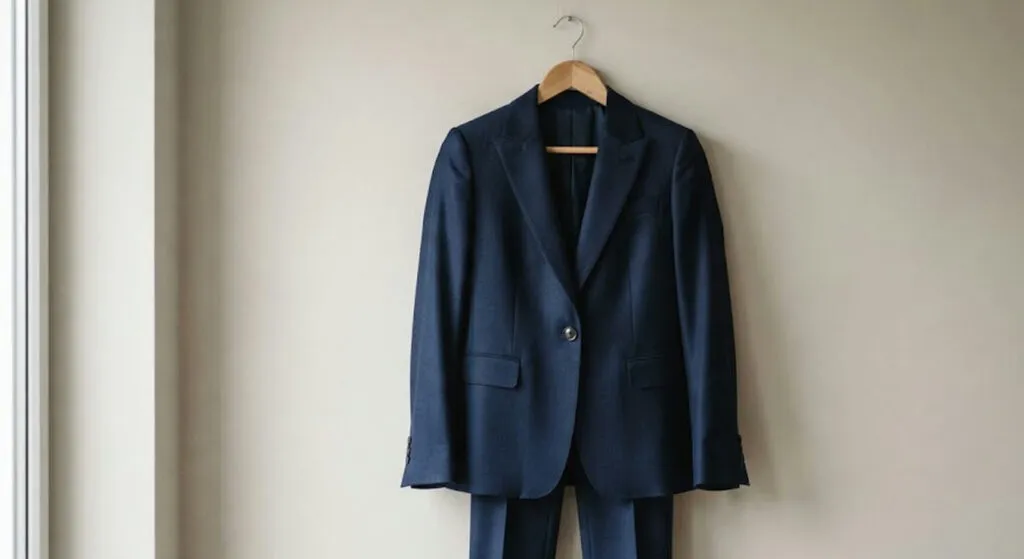
A communications expert says the trouser suit sidesteps sexist readings of hemlines and necklines. The same expert warns that the...
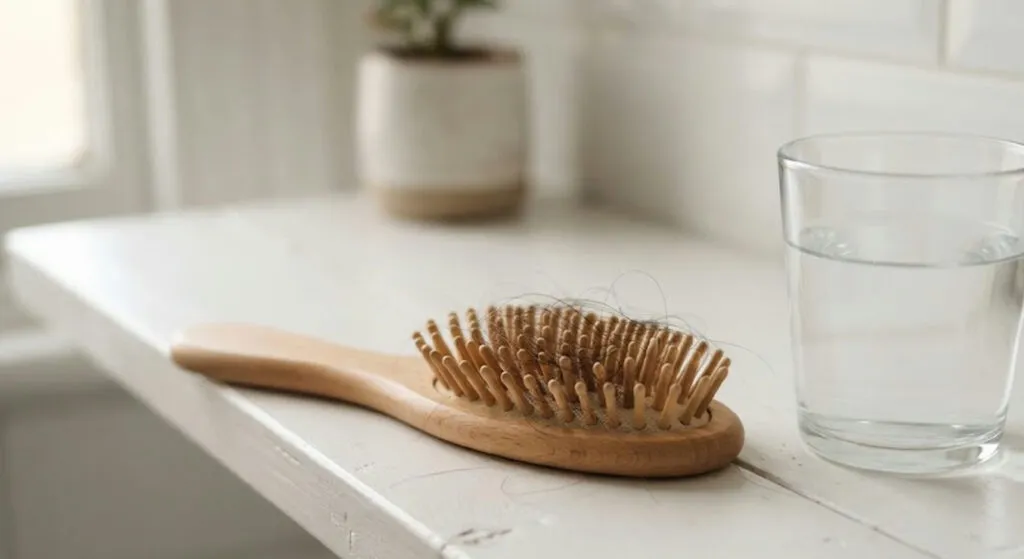
Dermatologists explain why the shedding arrives with a two to three month delay and why iron and vitamins do not...

Silk bambula muslin, a hand-draped waist and a veil of crystal organza. The wedding was held in Cadiz, where the...

An industry that spent decades selling a flawless illusion is suddenly showing the shoot itself. That is not candour -...

The classic bob promised one perfect day. This version works against the salon business model - and that alone is...

The crowns were held by four men who would all later sit on thrones of their own. Nobody in that...

Kate Middleton dropped the beige and the same cut suddenly looked twice as expensive. The industry sells a new silhouette...
This site uses cookies - is that okay? Learn more
Be the first to know when Metla launches something new
Leave your email and we will write when there is a new guide or something new on Metla.