
Брисел трета година пишува дека за воздухот нема напредок, а Лисиче лани имало 104 дена над границата за PM10 честички, при законски дозволени 35
07.11.2026


07.11.2026

07.11.2026

07.11.2026

07.11.2026

07.11.2026

07.11.2026

06.11.2026

05.11.2026

05.11.2026

06.11.2026

06.11.2026

05.11.2026

06.11.2026
06.11.2026

06.11.2026

06.11.2026

05.11.2026

04.11.2026

07.11.2026

07.11.2026

07.11.2026

06.11.2026

06.11.2026

05.11.2026

23.04.2026

23.04.2026

12.04.2026

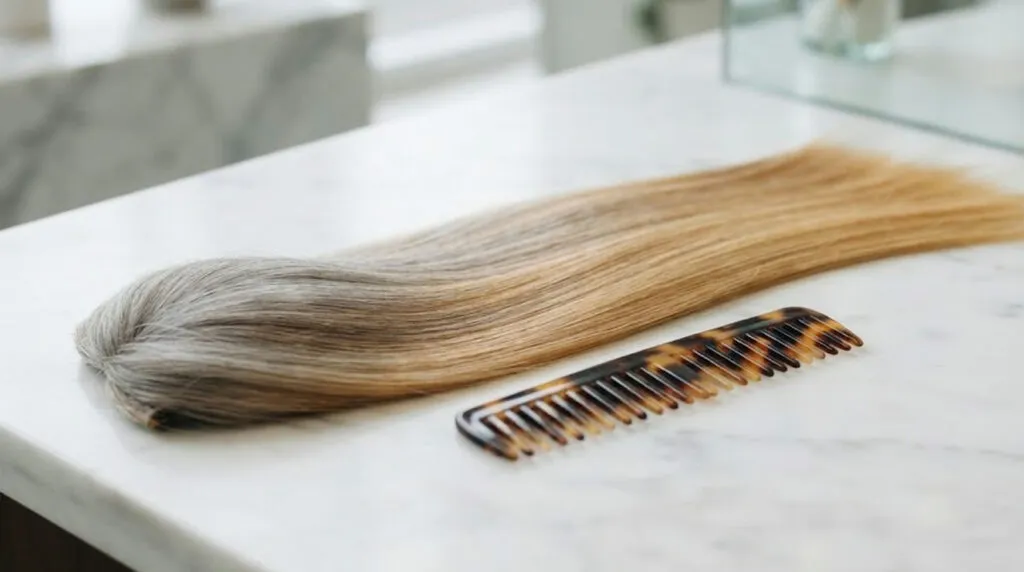
Fabiola Martínez, model, presenter and activist, turned up at a party in Madrid with shoulder-length hair slicked back in a wet look. The roots and the top are her natural silver-grey, while the ends have kept the golden blonde from her previous colour. "That's silver blending, the technique we use to blend the grey hairs in little by little," explains hairstylist María Sedano of The Beauty Concept Hair salon.
Silver blending is one of the final stages of so-called grey blending, the gradual integration of grey hair. The goal is for the grey to melt into the rest of the hair with no visible line where one ends and the other begins. On Fabiola, according to Sedano, the grey around her face brightens her golden skin and softens her features, while the golden ends add warmth. With the hair slicked back, the greyest part is on display and the light falls directly on her face.
It's not your age that decides it, but the percentage of grey hair. At 50 to 60 percent grey, the result is usually the most even. Many women reach that point after forty, but some go grey very early and it looks great on them. Trichologist Santiago Kaskero of Hospital Capilar adds that genetics plays a big role: if your parents went grey early, it will probably happen to you too, although it's not an exact rule.
The advantages are concrete. No more touching up the roots every few weeks, fewer chemicals and therefore healthier hair, and a colour more in tune with your skin tone. For the hair dye industry, that means one fewer regular customer. For you - more free Saturday mornings.
But grey hair needs care. It has no melanin, so it's drier and less shiny, which makes hydration the foundation. Purple shampoo is used once a week to stop it turning yellow. You need heat and sun protection, and the ends get trimmed every six to eight weeks. In the salon, an ammonia-free gloss neutralises yellow tones, tints the grey and adds shine, combined with deep hydration and repair treatments. At home: sulphate-free shampoo, a nourishing mask and a light oil on the ends.
The technique takes conviction and patience, because the process is gradual. The hard part often isn't in the salon but in the people around you. How many women in the Balkans would let their grey grow out without having to answer "why don't you dye it?" every single week?
The latest 10 news from this category

Instead of a retrospective of the designer Dior fired in 2011, the Costume Institute will celebrate wardrobe basics. An exhibition...
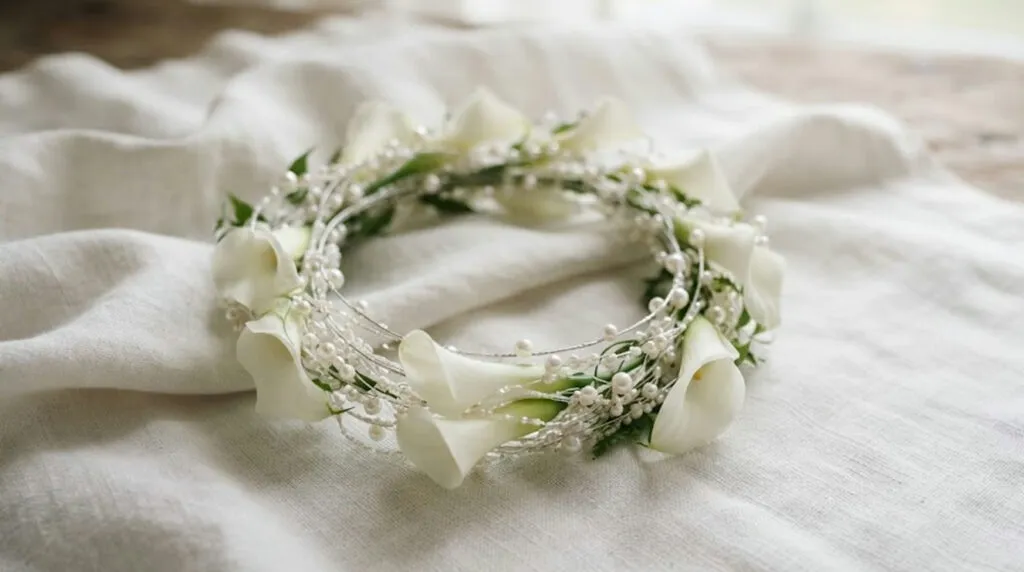
Ana Padilla got married carrying a circular bouquet of white calla lilies worn on the arm like jewellery. A trend...

On 28 November Paris presents its debutantes again. Last year her grandmother's fashion house dressed her cousin, and now the...

The cut he came up with for Joanna Lumley in 1976 defined his career, and his name became a brand...
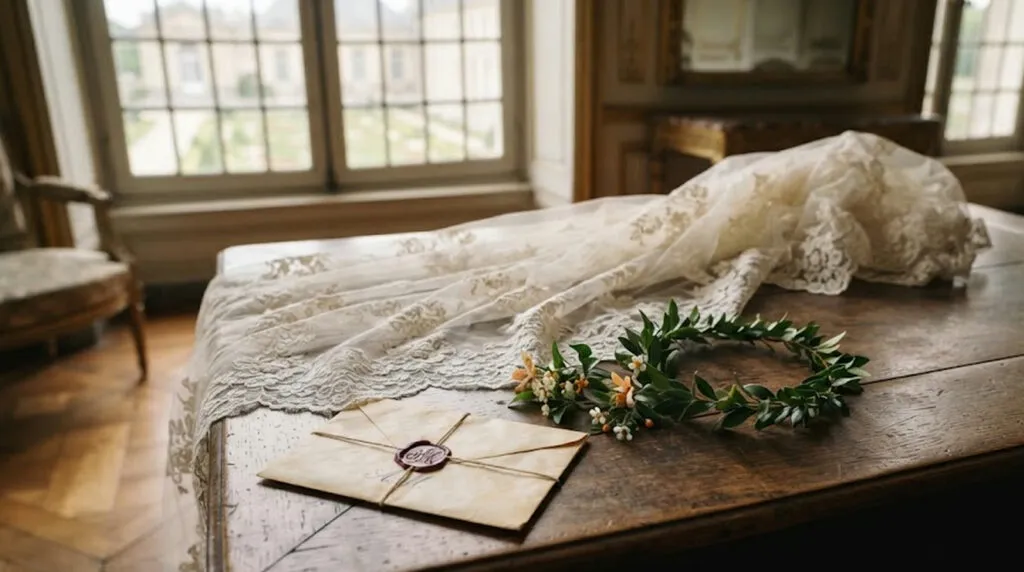
They married for love, first in Stockholm, then six days later in Brussels. Nine years later Astrid was killed in...

The Queen set aside Western haute couture and wore traditional velvet from Karak, the city where nine people died in...
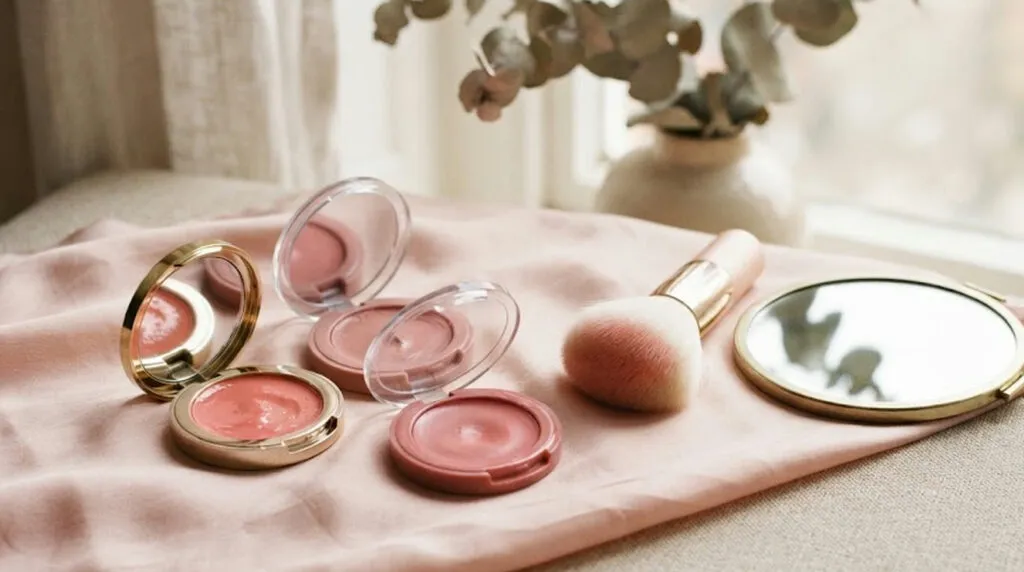
The strongest trick at the 2026 CFDAs costs next to nothing: blush applied upwards towards the temples. At 63, Demi...

Keira Knightley wore her wedding dress both before and after her wedding, and Emma Stone took the dress from her...

From the Flash Gordon T-shirt with the logo he drew himself to the velvet-and-ermine cloak modelled on Napoleon's coronation: Mercury...

"It's not the bare face that unsettles you, it's the doubt about whether what's underneath is enough." One question and...
This site uses cookies - is that okay? Learn more
Be the first to know when Metla launches something new
Leave your email and we'll write to you when there's a new guide or something new on Metla.