
Нови клупи и обновени летниковци во паркот „Македонија“: ќе преживеат ли една зима без да бидат уништени
13.06.2026


13.06.2026

13.06.2026

13.06.2026

13.06.2026

13.06.2026

13.06.2026

13.06.2026

13.06.2026

13.06.2026

13.06.2026
13.06.2026

12.06.2026

13.06.2026

12.06.2026

11.06.2026

13.06.2026

13.06.2026

13.06.2026

13.06.2026
12.06.2026
12.06.2026

09.03.2026

27.02.2026

19.02.2026

09.06.2026

22.05.2026

19.05.2026

14.04.2026

07.11.2025
07.11.2025

23.04.2026

23.04.2026

12.04.2026

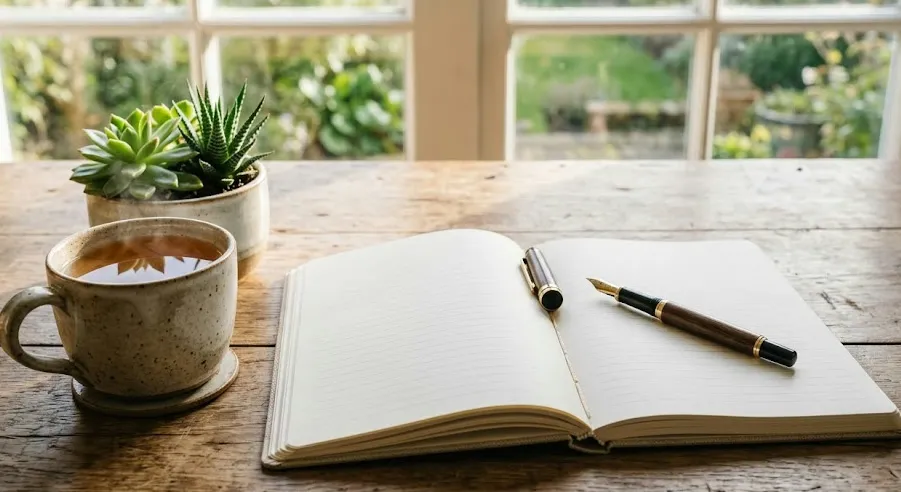
„You're either born with optimism or you're not" - that very belief, psychologists say, is the biggest obstacle to people becoming more cheerful. Because it's not true. Optimism isn't an eye color you inherit, but a skill that's trained - and the numbers confirm it.
According to psychologist Diana Jiménez, only 25 to 30 percent of our tendency toward optimism or pessimism has a genetic basis, linked to the regulation of serotonin and dopamine. The other 70 percent comes from experience, education, relationships, and the choices we make. In other words, the larger part is in our hands - it's just that most people don't know they can move it.
Jiménez offers four concrete exercises. First, a gratitude journal - every evening write down three specific things you're grateful for, with details, not in general. Second, cognitive reframing - when a dark thought catches you, ask yourself what's the worst that can happen, what's the best, and what's the most likely. Third, the rule of three possibilities - for every troubling situation, determine whether you can control it, change it, or just accept it.
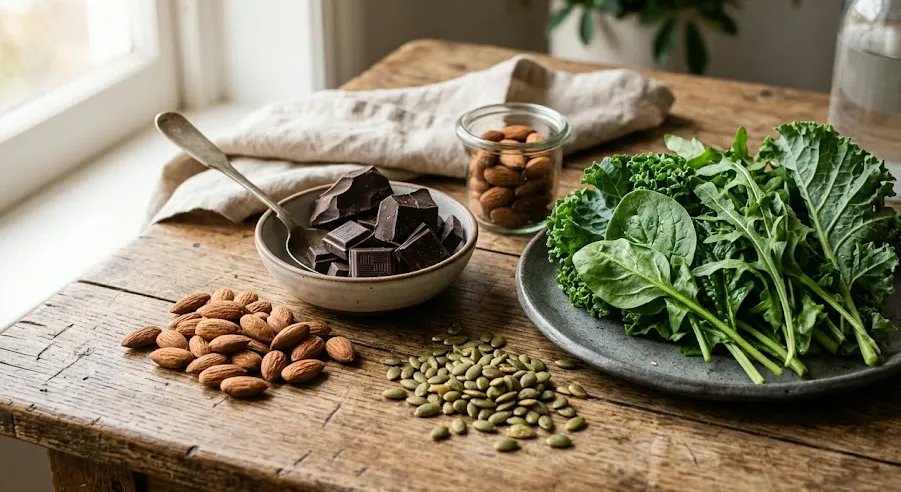
The fourth is perhaps the least expected: to do something useful for another person. It activates the release of oxytocin and serotonin - meaning, helping others literally makes you happier. On top of all that come the ordinary, familiar things: meditation, quality sleep, a diet rich in omega-3 and magnesium, and physical activity.
But Jiménez's most important sentence is the least glamorous: „Consistency matters more than intensity." Research shows that a new habit takes on average about 66 days to become automatic. So optimism isn't a mood that strikes you on a good morning - it's something built day by day, like everything else worth having.
The latest 10 news from this category
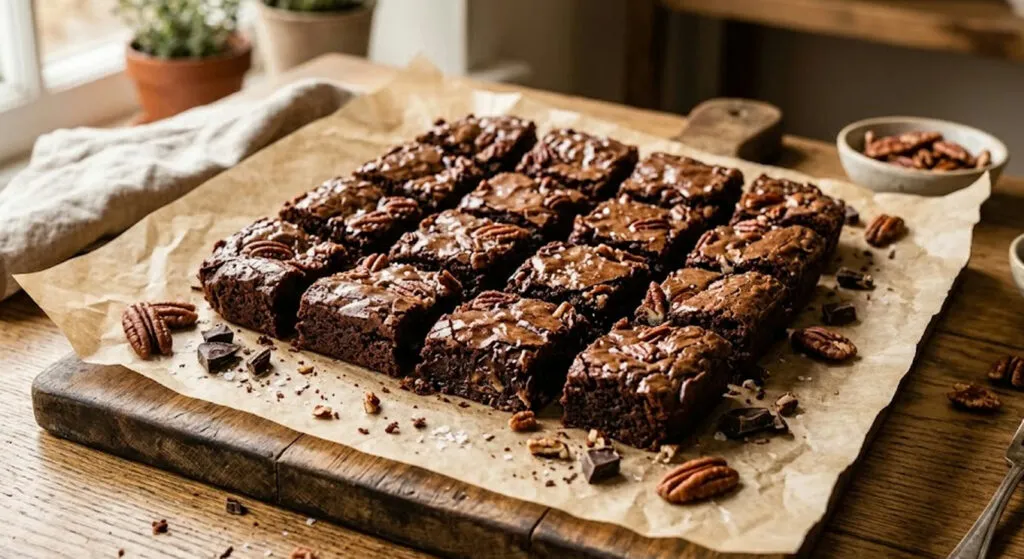
Двајца врвни шпански слаткари се препираат за најобичното чоколадно колаче - а вистинската разлика ја прави трпението.
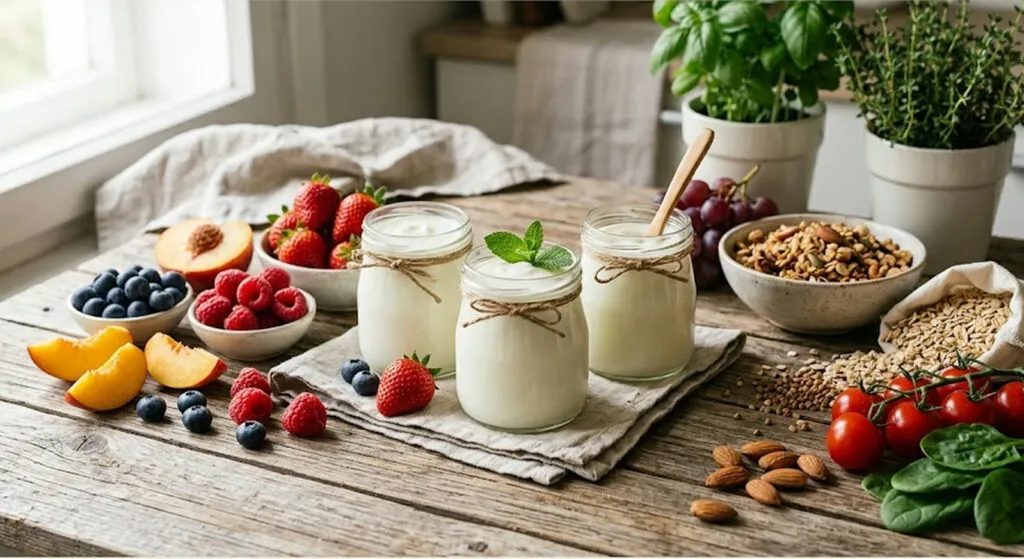
Марија Бранјас доживеа 117 години со биолошка возраст 20 години помлада - а вистинската причина не се вика јогурт.
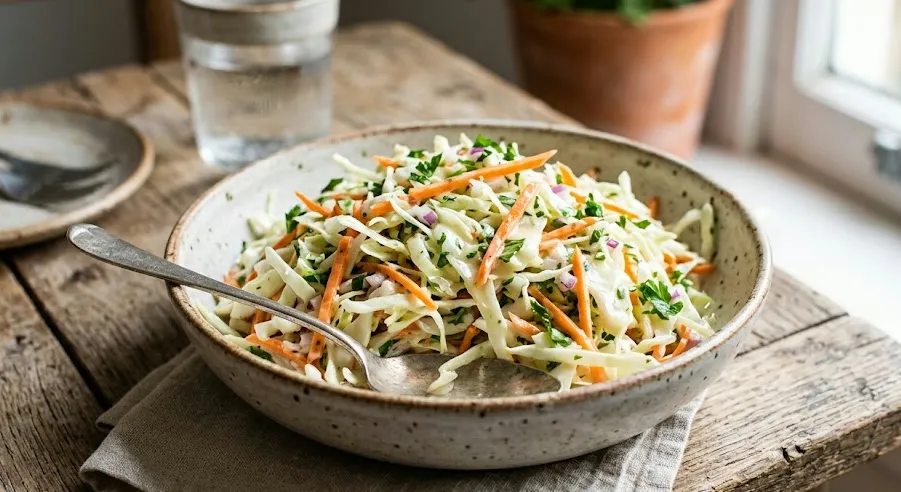
American cabbage salad looks complicated, yet it's one of the easiest things to make at home. The whole secret isn't...

A famous singer admits she spent years thinking she couldn't sing. Doctors and engineers carry the same thing - people...
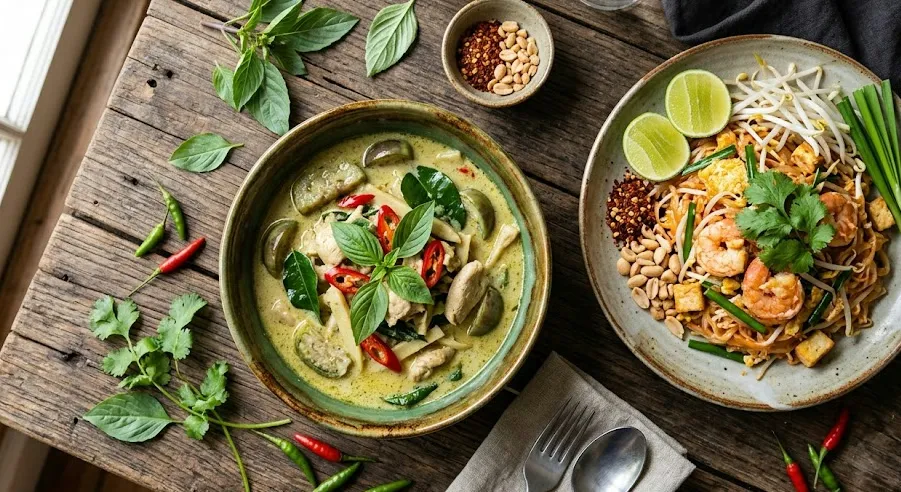
The secret isn't a mystical technique, but a handful of ingredients that change everything. One of the rare cuisines where...
Doctors say one minute of conscious breathing breaks the stress cycle. The way you breathe isn't a consequence of your...

The dish Greece defends as national is actually an Ottoman inheritance with a French floor on top. The whole secret...

At a time when every sad afternoon gets a diagnosis, the profession says: sadness is a tool, not a defect....
Jaw pain and a morning headache often share a hidden cause. But the first step is a doctor, not the...

The whole secret is one restaurant technique - smashing the meat while it's still soft. Crispy, juicy and fresh, no...