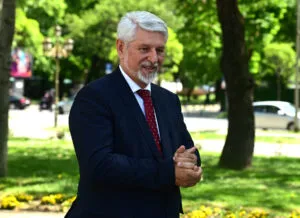
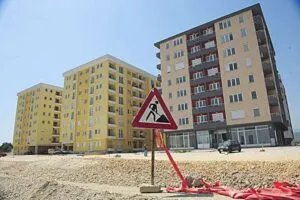
A New Criminal Complaint Against Jakimovski: A Building Permit Based on a Plan Struck Down Back in 2018
16.09.2026


16.09.2026
16.09.2026

16.09.2026
16.09.2026
16.09.2026
16.09.2026
16.09.2026
15.09.2026

14.09.2026
16.09.2026
16.09.2026

15.09.2026

16.09.2026

15.09.2026

14.09.2026

16.09.2026

16.09.2026

16.09.2026

16.09.2026

15.09.2026
15.09.2026

09.03.2026

27.02.2026

19.02.2026
16.09.2026

15.09.2026

14.09.2026

23.04.2026

23.04.2026

12.04.2026

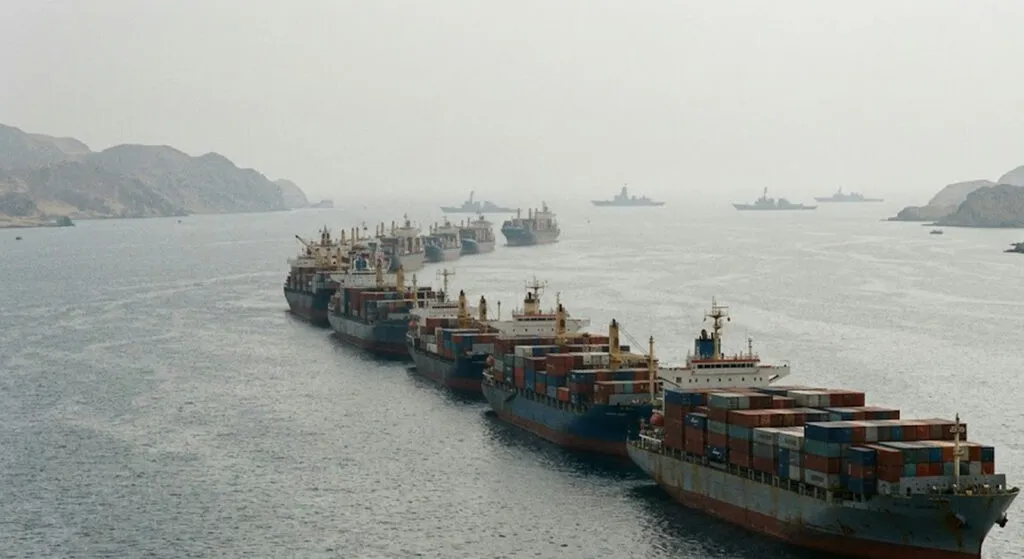
The world is watching screens waiting for news on the next round of US-Iran talks. Meanwhile the Strait of Hormuz - the narrow channel through which 20% of global oil flows - enters its second day under American naval blockade. And here is what makes the situation genuinely interesting: the blockade of Hormuz is not a blockade of Iran. It is a blockade of the entire world.
Talks in Muscat, blockade in full swingUS-Iran negotiations in Pakistan collapsed, and now speculation mounts that a new round could happen in Turkey or Egypt. But while diplomats hunt for a venue, the American naval presence is already flexing. Vice President JD Vance calls Iranian conduct "economic terrorism" - a term Washington typically reserves for enemies it wants to delegitimize before domestic audiences.
China doesn't pay, Europe stays quietBeijing called the blockade "dangerous and irresponsible" - and didn't stop there. A Chinese tanker sailed straight through Hormuz past the blockade, sending a message hard to misread: China has no intention of letting America decide who gets to sail international waters. When was the last time anyone so openly showed Washington the middle finger at sea? This isn't an incident. This is a geopolitical precedent.
Italy does what others won'tIn the middle of all the chaos, Italy suspended previously signed agreements with Israel. Quietly, without fanfare, but with a clear message. While most European countries act like they don't see what's happening, Rome just made a concrete cut. The question is whether this is the start of a trend or a one-off.
A food and energy catastrophe on the horizonThe UN warns of global economic catastrophe if the blockade continues. This isn't theory - oil powers transport, fertilizer, irrigation. When oil gets expensive, everything gets expensive. In the Balkans we know this better than most: every global crisis hits twice as hard here. Bread costs more, gas costs more, wages stay frozen.
What does this mean for the region?While the big players measure strength around Hormuz, countries like ours sit on the margins and wait for judgment. Nobody asks us anything, but you will feel the consequences. If the blockade holds, fuel and food prices will jump here too - not as a possibility, but as a certainty. The question isn't whether, just how fast.
The latest 10 news from this category

Sanctions imposed over one war are being offered as currency in an entirely different dispute. Most member states are against...
El Nino in the Pacific shifts the currents that decide where snow falls. An area that usually gets a metre...
The easiest way to dismiss an uncomfortable argument is to point at who is making it. But that does not...
The appeals court ruled the entire trial must start over. The son of Norway's queen is waiting for it on...
Trump scaled back the military exercises to ease the tension, and Wonsan answered in the form of projectiles. What does...

The sanctions list got a seven-day extension instead of one measured in months, a move diplomats themselves call unprecedented. Two...

Switzerland offered a table for talks on Ukraine, Moscow replied that the table stopped being neutral once Bern adopted EU...
The will says one thing, a committee of twenty-one men decided another. The queen mother says the army pulled the...
A country that was Europe's byword for stability for decades now has a parliament split into two blocs by a...
Sixteen years in power, defeat at a regular election, five months of quiet - and now the election result is...
This site uses cookies - is that okay? Learn more
Be the first to know when Metla launches something new
Leave your email and we will write when there is a new guide or something new on Metla.