
Mickoski and Gjorgjievski Meet on Capital Projects - Symbolism, Rhetoric, and Zero Concrete Dates
25.05.2026


25.05.2026
25.05.2026
25.05.2026

25.05.2026
25.05.2026
25.05.2026

25.05.2026

25.05.2026
25.05.2026

25.05.2026

25.05.2026

24.05.2026

25.05.2026

25.05.2026

25.05.2026

25.05.2026

24.05.2026

23.05.2026

25.05.2026

25.05.2026

24.05.2026

09.03.2026

27.02.2026

19.02.2026

14.04.2026
07.11.2025
07.11.2025

23.04.2026

23.04.2026

12.04.2026

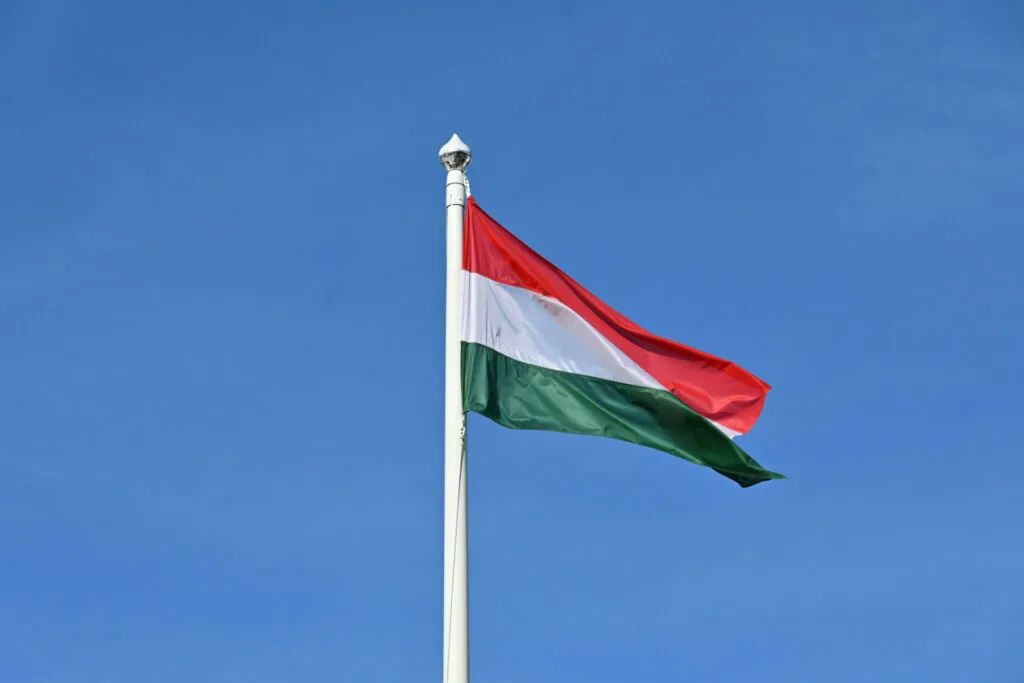
Hungary's new prime minister Péter Magyar has reactivated the ban on imports of Ukrainian agricultural products - meat, grain, eggs, frozen vegetables and other items. The previous ban from Viktor Orbán's era had lapsed because of an administrative blunder - until Magyar reimposed the state of emergency on May 14. Now it's clear: the new administration in Budapest is continuing the same policy, with new legal tools.
Hungary's Agriculture Minister Szabolcs Bóna announced a new law that will provide legal protection for the domestic market and producers. The measures will cover "meat, frozen vegetables and grain." The goal is clear - protection from "unfair competition" from Ukraine, which since 2022 has used the "solidarity corridors" set up by the EU to export around the blockaded Black Sea ports.
Similar policies are already in place in Poland, Slovakia, Romania and Bulgaria - with variations. All cite "pressure on the domestic market" and "an unacceptable price collapse" for products from their own farmers. That's an economic reality - Ukrainian agricultural products are cheaper because of low labor costs and existing subsidies. But it's also a political reality that every government in these countries has a farming base that votes, while Ukraine is external to that political calculus.
Magyar, who came to Budapest with somewhat softer notes toward Brussels than Orbán, simultaneously made the opposite move - he withdrew Hungary's intention to leave the International Criminal Court (ICC). That's standard dynamics for a new government that wants to send the "we're all a new page" message while quietly continuing every controversial policy that brings votes.
For the Balkans and Macedonia, this matters. Hungary is part of the Visegrád Group and along with Poland has long pushed similar positions on Ukrainian agricultural imports. With that policy, they indirectly form a barrier in EU negotiations on continued support for Ukraine. And at a moment when food prices in the average Balkan market depend more and more on European regulation, political tensions between Budapest and Brussels don't only have their own dimension - they have a price tag at our supermarkets too.
The latest 10 news from this category
The Bulgarian investment company doubled its revenue in 4 years. One citizen tip-off to the Finance Ministry brought the whole...
Brussels is lining up new measures against cheap Chinese imports. For the Balkan economy that means new prices, new risks...
Brent down 5 percent, WTI at $91-92. For Macedonia's filling stations that means a gradual drop in fuel prices -...

The head of Android announced the shiny icon pack with a message that sounds like a question - are you...

The dispute over App Store commissions with Epic Games is now before the top US court. Apple argues that a...
A Berlin startup helping brands stay visible in AI search doubled its revenue in six months - and investors are...
Defense, energy transition, pensions, aging. Four structural pressures, not one of them fixable by short-term measures.

Prices aren't dropping yet. The process is opening, not the bills. The most concrete upside of EU accession - delayed...

Tesla's Master Plan promised the end of fossils, xAI is doing the opposite. Orbital solar will allegedly solve everything -...
A German company maps AI search engines - does ChatGPT mention your brand? GEO is the new SEO, and traction...