Mickoski and Gjorgjievski Meet on Capital Projects - Symbolism, Rhetoric, and Zero Concrete Dates
25.05.2026


25.05.2026
25.05.2026

25.05.2026

25.05.2026
25.05.2026

25.05.2026

25.05.2026

25.05.2026
25.05.2026

25.05.2026

25.05.2026

24.05.2026

25.05.2026

25.05.2026

25.05.2026

25.05.2026

24.05.2026

23.05.2026

25.05.2026

25.05.2026

24.05.2026

09.03.2026

27.02.2026

19.02.2026

14.04.2026
07.11.2025
07.11.2025

23.04.2026

23.04.2026

12.04.2026

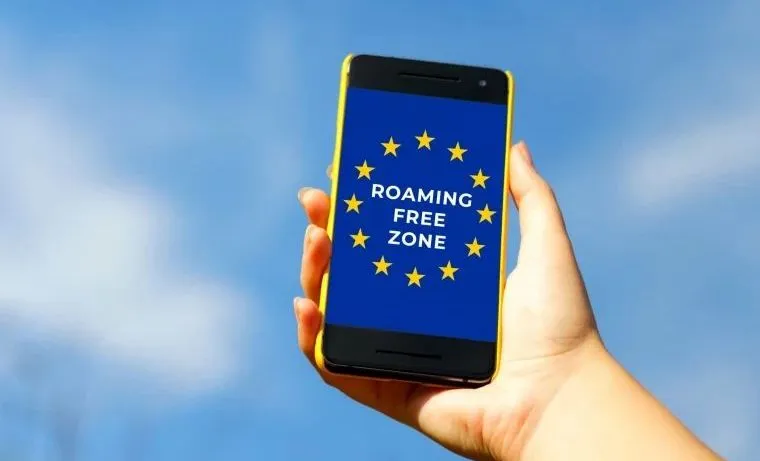
Macedonians traveling in the EU may soon pay home-country rates for roaming - but "soon" in this context means 2027 at the earliest. The European Commission has proposed extending the "Roam like at Home" framework to six Western Balkan partner countries, Macedonia included. EU ambassadors will officially review and approve the negotiating mandate on June 3, 2026, followed by ministerial confirmation.
What does that actually mean right now? Nothing concrete for users. The process is opening - not the prices. Prices will stay exactly where they are until the technical preparations, regulatory alignment and operator coordination with EU telecoms rules are done. That took years inside the EU itself.
What already works? The regional roaming agreement inside the Western Balkans has been live since July 1, 2021. That means Macedonians traveling in Serbia, Albania, BiH, Montenegro or Kosovo are already paying home-country tariffs. On top of that, the agreement to lower data-roaming prices between the EU and the region took effect on October 1, 2023. That's an interim step - a reduction, not a cap.
The end goal is for Western Balkan citizens, when traveling in the EU, to pay as they do at home - and vice versa. That would be the single biggest tangible benefit of EU accession for the average Macedonian. Not institutional, not political - but concrete, every May when you go on vacation in Greece, or every November when you head to Zagreb.
For the Balkan citizen who has long paid higher tourist-route prices than Poles or Romanians do, this is a long-overdue reform. The EU has had it for itself since 2017. The Balkans will get it ten years later. It's one of those small but real improvements that make accession actually worth something. But - 2027 is not 2026. And like every EU process, "soon" usually means "a little while longer."
The latest 10 news from this category
The Bulgarian investment company doubled its revenue in 4 years. One citizen tip-off to the Finance Ministry brought the whole...
Brussels is lining up new measures against cheap Chinese imports. For the Balkan economy that means new prices, new risks...
Brent down 5 percent, WTI at $91-92. For Macedonia's filling stations that means a gradual drop in fuel prices -...
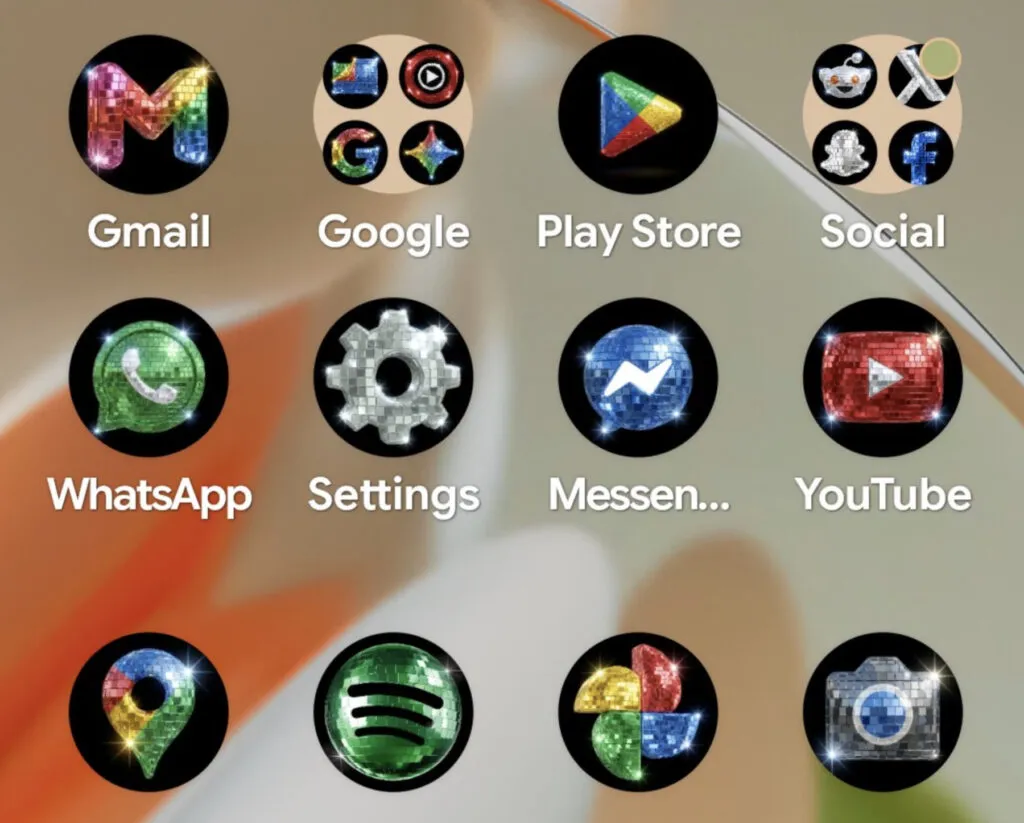
The head of Android announced the shiny icon pack with a message that sounds like a question - are you...
The dispute over App Store commissions with Epic Games is now before the top US court. Apple argues that a...
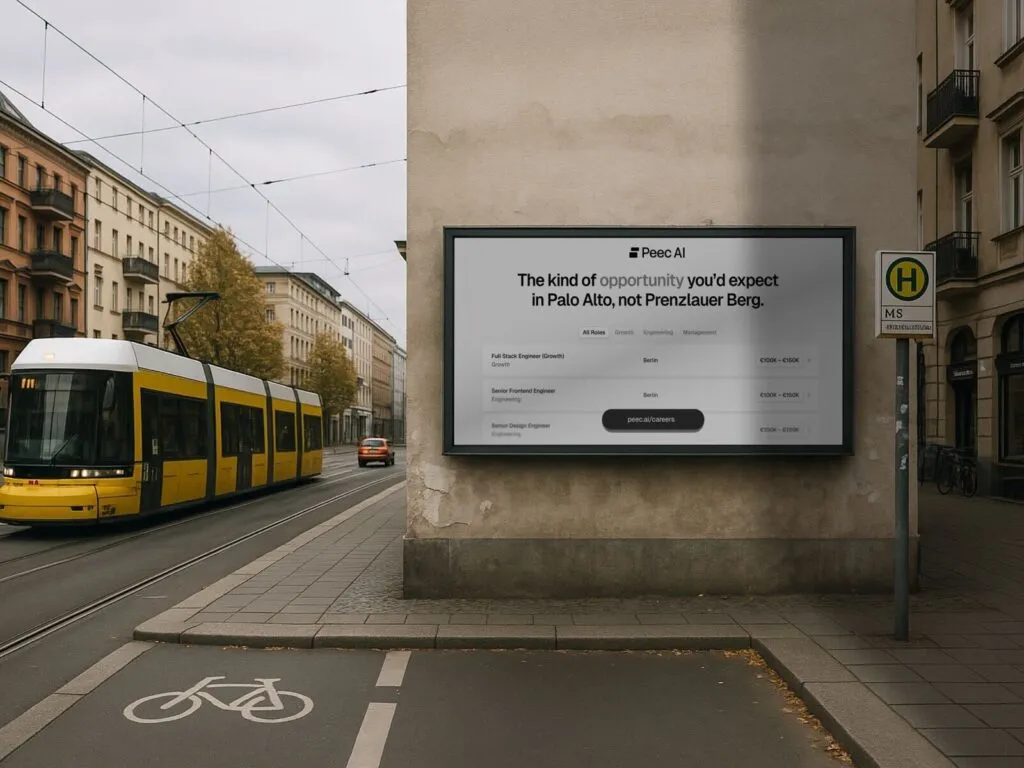
A Berlin startup helping brands stay visible in AI search doubled its revenue in six months - and investors are...
Meat, grain, eggs, frozen vegetables. Agriculture Minister Bóna announced a new law. The cost for Balkan markets will be indirect...
Defense, energy transition, pensions, aging. Four structural pressures, not one of them fixable by short-term measures.
Tesla's Master Plan promised the end of fossils, xAI is doing the opposite. Orbital solar will allegedly solve everything -...
A German company maps AI search engines - does ChatGPT mention your brand? GEO is the new SEO, and traction...