Mickoski and Gjorgjievski Meet on Capital Projects - Symbolism, Rhetoric, and Zero Concrete Dates
25.05.2026


25.05.2026
25.05.2026

25.05.2026

25.05.2026

25.05.2026
25.05.2026

25.05.2026

25.05.2026

25.05.2026

25.05.2026

25.05.2026

24.05.2026

25.05.2026

25.05.2026

25.05.2026

25.05.2026

24.05.2026

23.05.2026

25.05.2026

25.05.2026

24.05.2026

09.03.2026

27.02.2026

19.02.2026

14.04.2026

07.11.2025
07.11.2025

23.04.2026

23.04.2026

12.04.2026

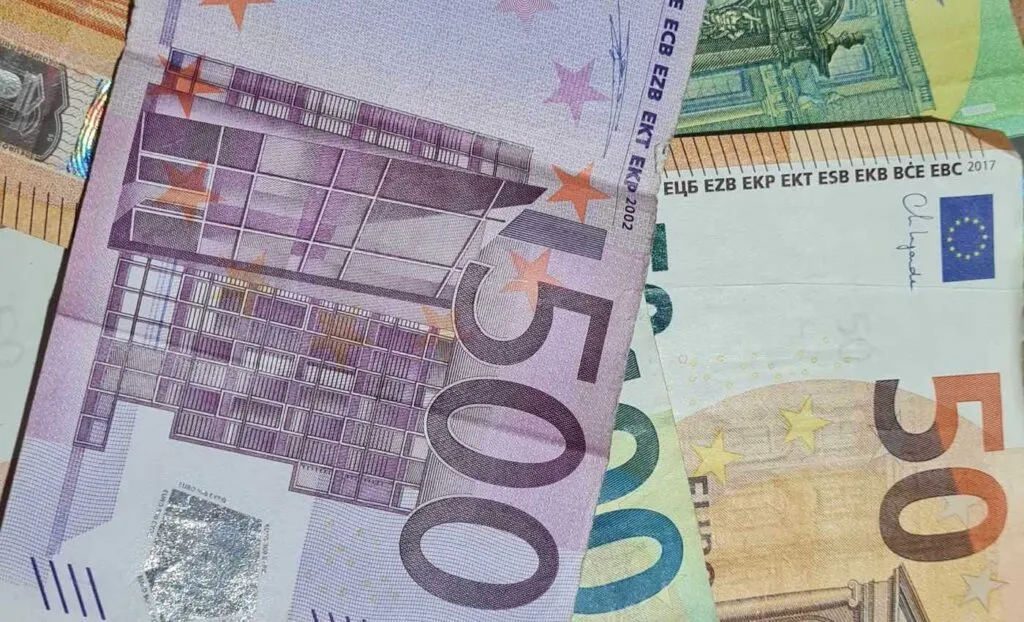
The International Monetary Fund (IMF) warned European finance ministers: the average EU country's public debt could reach 130 percent of GDP by 2040, which is nearly double the current level. Without structural and fiscal reforms, the situation will become unsustainable.
In a document presented at the meeting in Nicosia, Cyprus, the IMF listed the main pressures: rising defense spending, the energy transition, an aging population, and growing pension obligations. All four are structural - meaning none of them can be sidestepped with short-term fixes.
The solutions the Fund proposes? Gradually raising retirement ages, integrating energy markets, tighter fiscal discipline, labor-market reforms, joint European borrowing for specific projects. Sounds familiar - it's the same structural-reform recipe the EU has had on the table for the past 20 years. The question isn't whether the recommendations are right, but whether there's political will to actually implement them.
European Commissioner for Economy Valdis Dombrovskis confirmed it's a "concrete and urgent political challenge." He noted that joint borrowing already works for financing defense capabilities and aid to Ukraine - which implies the model already exists, it just needs to be extended to broader fiscal areas.
For Macedonia, the lessons are specific. The country has a significantly lower public debt than the EU average in absolute terms, but the same pressures are present - aging population (steadily rising pension obligations), the need for increased defense spending as a NATO member, energy transition driven by EU accession. If the EU fails to address its fiscal challenges, Macedonia joins a market under rising financial tension. That's the context none of our politicians mention when they talk about "the European standard" - that gets reserved for the upsides only.
The latest 10 news from this category
The Bulgarian investment company doubled its revenue in 4 years. One citizen tip-off to the Finance Ministry brought the whole...
Brussels is lining up new measures against cheap Chinese imports. For the Balkan economy that means new prices, new risks...
Brent down 5 percent, WTI at $91-92. For Macedonia's filling stations that means a gradual drop in fuel prices -...

The head of Android announced the shiny icon pack with a message that sounds like a question - are you...

The dispute over App Store commissions with Epic Games is now before the top US court. Apple argues that a...

A Berlin startup helping brands stay visible in AI search doubled its revenue in six months - and investors are...
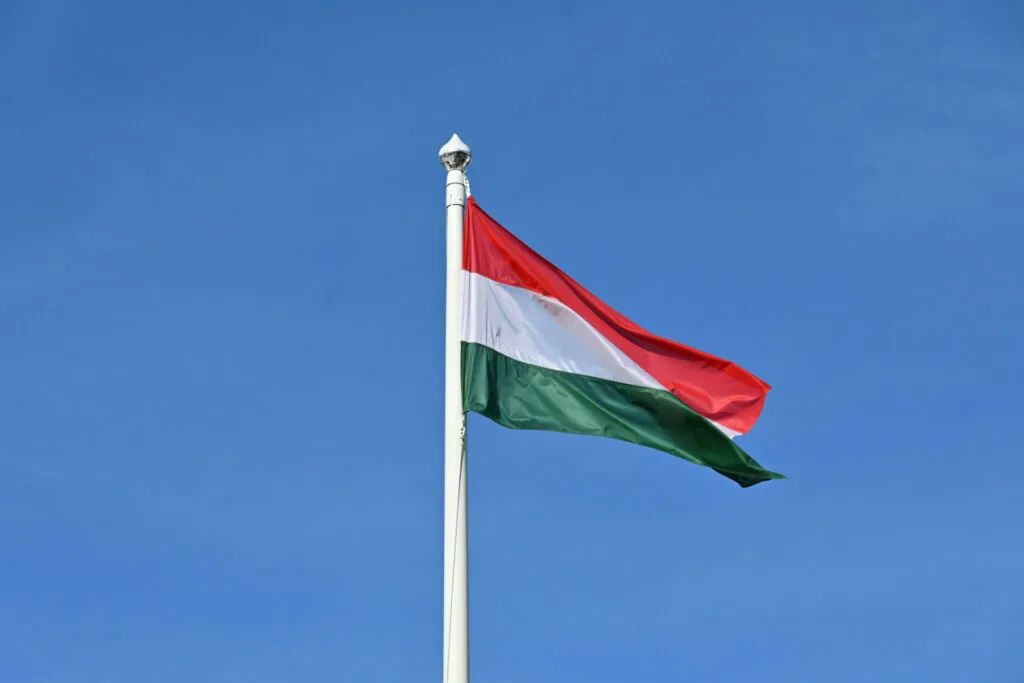
Meat, grain, eggs, frozen vegetables. Agriculture Minister Bóna announced a new law. The cost for Balkan markets will be indirect...

Prices aren't dropping yet. The process is opening, not the bills. The most concrete upside of EU accession - delayed...

Tesla's Master Plan promised the end of fossils, xAI is doing the opposite. Orbital solar will allegedly solve everything -...

A German company maps AI search engines - does ChatGPT mention your brand? GEO is the new SEO, and traction...