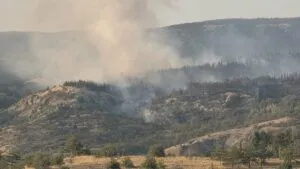
34 fires in 24 hours: three still burning, and the warnings put out nothing
09.09.2026


09.09.2026

09.09.2026
09.09.2026

09.09.2026
09.09.2026

09.09.2026
09.09.2026
08.09.2026
07.09.2026

09.09.2026

08.09.2026

08.09.2026

08.09.2026

08.09.2026

08.09.2026
08.09.2026
07.09.2026
06.09.2026

09.09.2026

09.09.2026

09.09.2026

09.09.2026

09.09.2026
08.09.2026

09.03.2026

27.02.2026

19.02.2026

23.04.2026

23.04.2026

12.04.2026

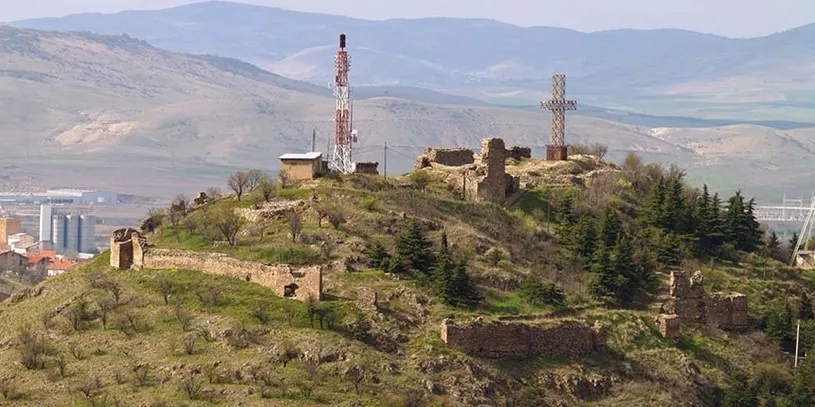
The Isar fortress above Stip is entering full restoration and conservation - a project worth 1.5 million euros, with an 18-month deadline. The goal is for the city's centuries-old symbol to grow into a tourist attraction along the lines of Samuel's Fortress in Ohrid and the Skopje Kale.
The money comes from the government, through the Hungarian loan. That is not a footnote - it means the restoration of a Stip monument is being paid for with borrowing, like a good part of the country's other infrastructure. Whether 1.5 million euros for stone on a hilltop is a good line item in that loan is a question worth asking now, not in 18 months.
Work has already started. An access road for transporting construction material has been cut on site, and the contractor "Stenton gradba", working with the Stip city museum, is selecting suitable stone in order to preserve the authenticity of the structure.
Selecting the stone together with a museum is the part that gives hope. That is the difference between conservation and covering over - and it is exactly what was missing from some earlier Macedonian "restorations" of historic sites, where the new material swallowed the old. It remains to be confirmed in the execution, not in a press release.
The plan foresees full conservation of the fortress, landscaping of the Acropolis, three new viewpoints and completely new lighting. Stip Mayor Ivan Jordanov called the project a capital undertaking for culture and tourism, one that will give residents and tourists a view over the whole city and over the Bregalnica and Otinja rivers.
Isar is one of the few points in eastern Macedonia that has both history and a view in the same place. The project is designed to give the eastern part of the country a recognisable destination - something that has barely featured in tourism calculations until now.
Eighteen months sounds like a reasonable deadline for a conservation job of this scale. The question that will be measured is not whether it finishes on time, but what will be standing up there when the scaffolding comes down - a restored fortress, or a new fortress in the place of the old one.
The latest 10 news from this category
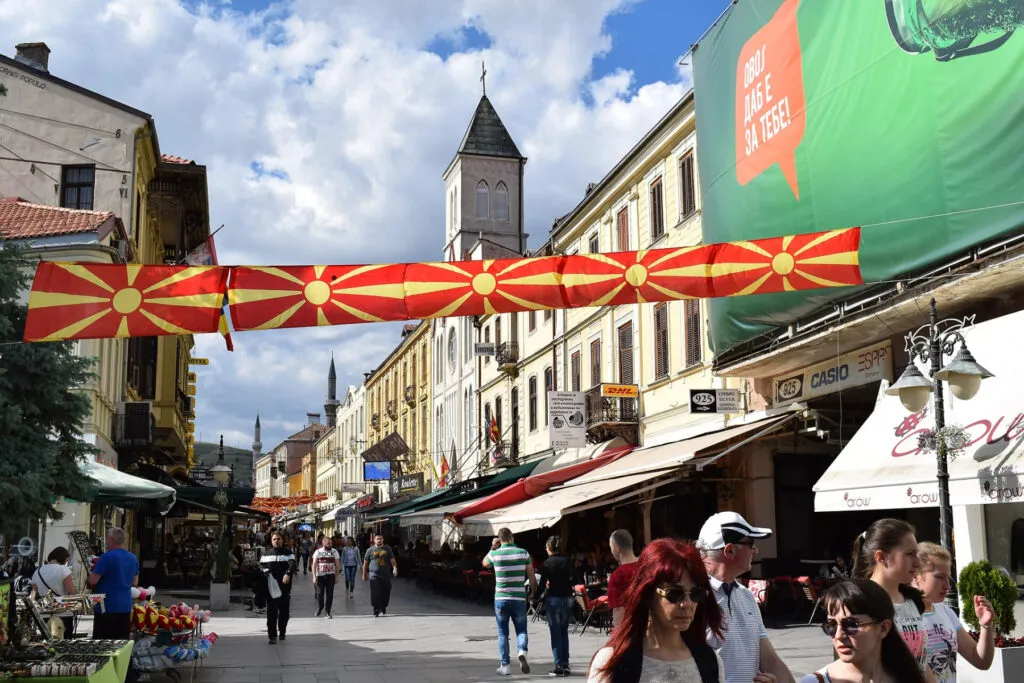
Konjanovski's report is full of figures - 10 kilometres of streets, 220 parking spaces, 96 million for the cinema. But...
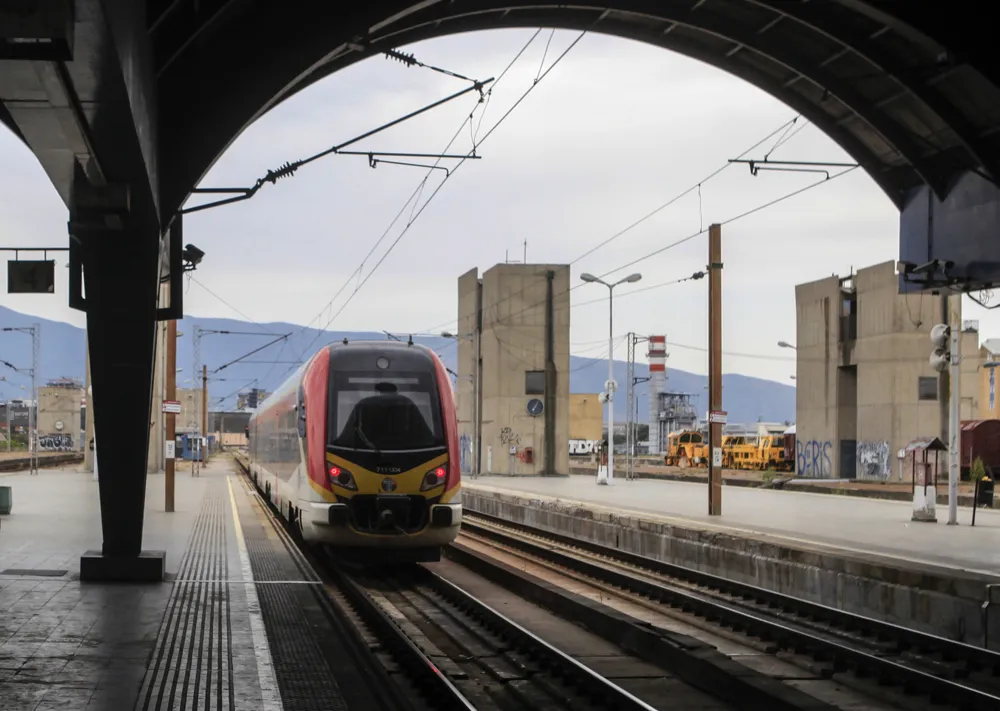
A monthly pass costs 1,850 denars, under 90 denars a day for the round trip. If rail is the fastest...
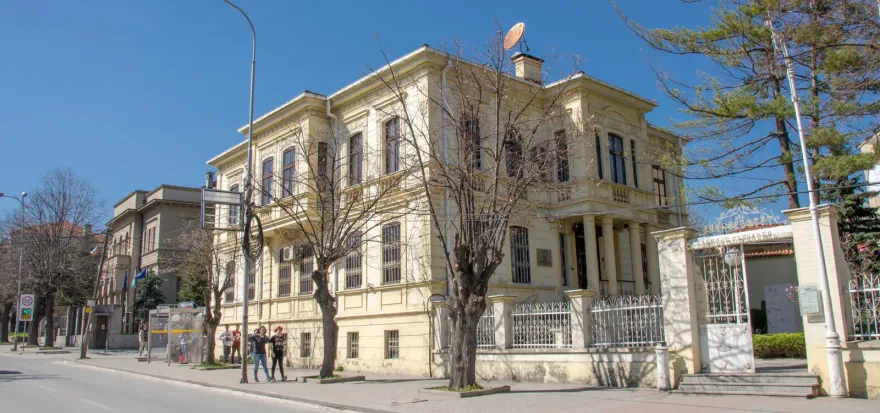
The emptiest is the Technical Faculty with 269 places, while two of its own programmes filled up in the first...

Local history remembers quietly, with a few bouquets and one speech. State history remembers with a stage and lights. The...

Maths dropped 10 points against 2022, and just 1 percent of pupils reach the top levels against 8 percent across...
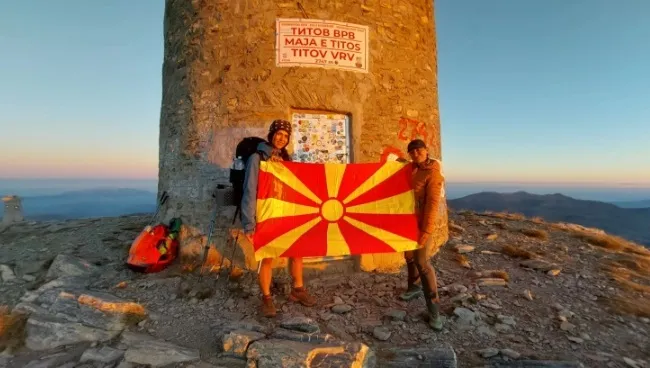
Blagica Vladimirovska and Ema Lazareska climbed 8,400 metres of total ascent with no logistical support. A marking of 35 years...

Five new municipal vehicles have arrived in Kumanovo. The utility company that has been broke for decades still waited for...
The Technical Faculty has the most free places - 269. Students read the job market better than we care to...

The vehicle came off the road near the village of Beranci. Cars are being let through alternately, freight traffic is...
The question was about the value of the contract for a concert financed from the budget. The journalists' association responded....
This site uses cookies - is that okay? Learn more
Be the first to know when Metla launches something new
Leave your email and we will write when there is a new guide or something new on Metla.