
30 days' custody for the fan who knocked a child unconscious outside "Jane Sandanski": how did two fan groups end up right at the entrance?
03.11.2026


03.11.2026

03.11.2026

03.11.2026

03.11.2026

03.11.2026

03.11.2026
03.11.2026

02.11.2026

02.11.2026

03.11.2026

03.11.2026

02.11.2026

03.11.2026

03.11.2026

03.11.2026

03.11.2026

02.11.2026

01.11.2026

03.11.2026

03.11.2026

03.11.2026
03.11.2026

02.11.2026
01.11.2026

23.04.2026

23.04.2026

12.04.2026

Where is the nearest recycling container, and which ones have been sitting full for days? It's all on one map, with data updated every day.
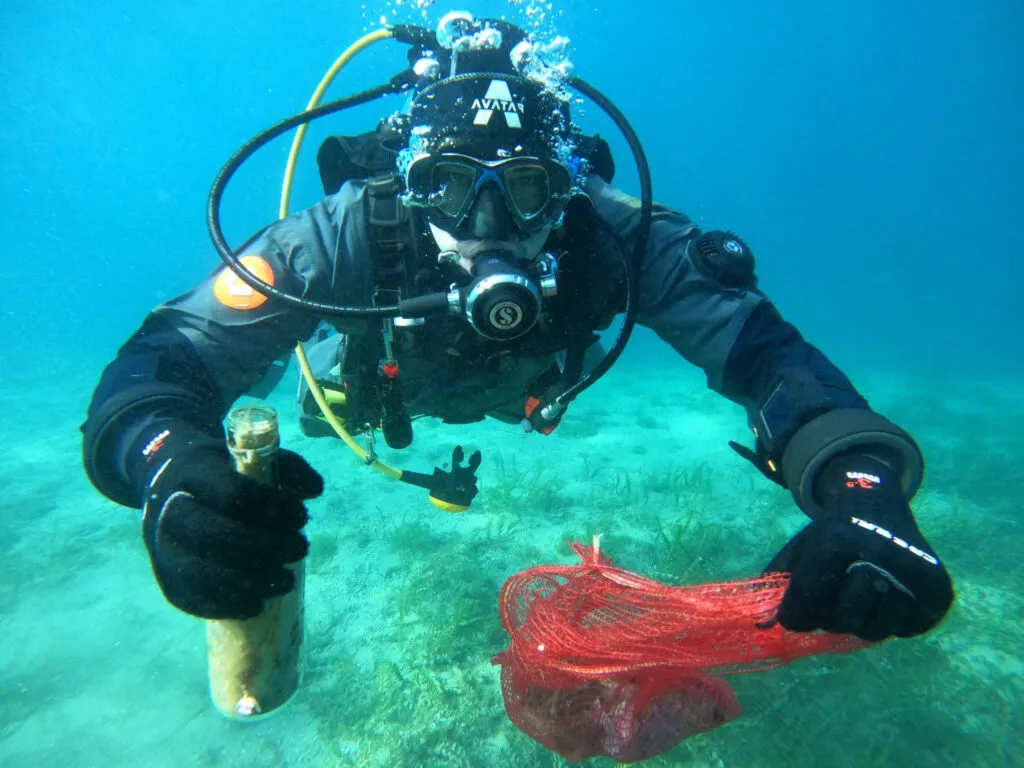
From the surface, Lake Ohrid is a postcard. From the bottom, it's a landfill with a view. Members of the "Amfora" Diving Centre cleaned the stretch from the "Gradište" campsite to "Veli Dab" and pulled out plastic bottles, cans, glass, car tyres, scraps of textile and - to complete the picture - broken coffee cups.
The operation was funded by the Tourism and Local Economic Development Department of the Municipality of Ohrid. That's good news and an admission at the same time: the local government pays divers to fish out what someone else threw into the lake that Macedonia sells as the pearl of its tourism.
In footage published by the "Akvatek" Diving Centre, a freshwater crayfish can be seen among the rubbish - one that the published information says is on the endangered species list. According to UNESCO, Lake Ohrid is around two to three million years old and home to more than 200 endemic species. This isn't about looks - the plastic and metal are lying in a habitat that exists nowhere else.
The problem isn't new. Divers have warned before that hundreds of kilograms of waste end up on the bottom every year, and UNESCO itself lists poor solid waste management among the threats to the natural heritage of the Ohrid region. Diver Nikola Paskali says some people use the lake as a rubbish bin and calls for stricter controls, fines and a total ban on plastic.
That's the heart of the matter. One clean-up removes what has already been thrown in, but it doesn't stop the next bottle. The municipality pays for the clean-up - but has anyone ever paid a fine for throwing a tyre or a bottle into Lake Ohrid?
"The environment we live in depends on all of us," said the people at "Akvatek". True. But when something depends on everyone, in the end nobody is usually held responsible. If the divers come back next year, the question is whether they'll pull out less, or more.
The latest 10 news from this category

The Swedish ambassador toured the sorting facility and the new collection point, and the mayor promised a model for other...
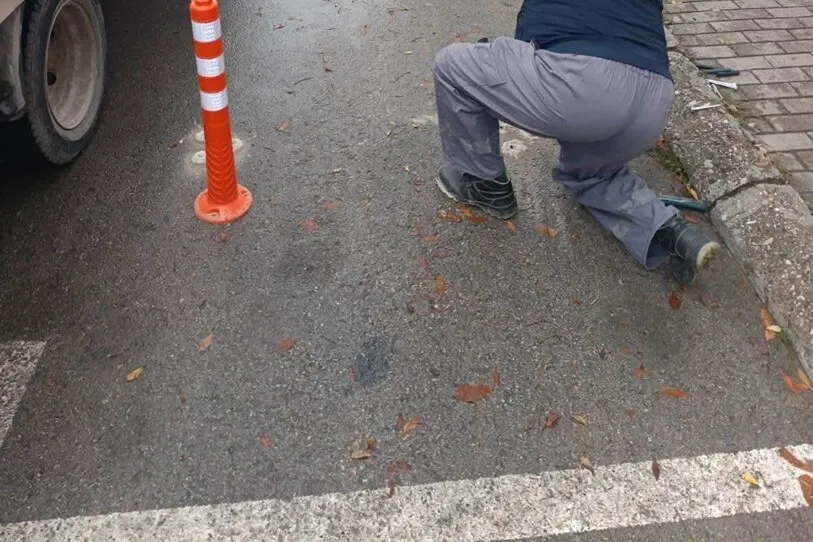
New plastic bollards and mirrors at risky intersections are good news for pedestrians. Except the municipality doesn't say how many...

There's no epidemic, says the minister, but Kosovo and Bulgaria have already declared one. The local patients hadn't left the...
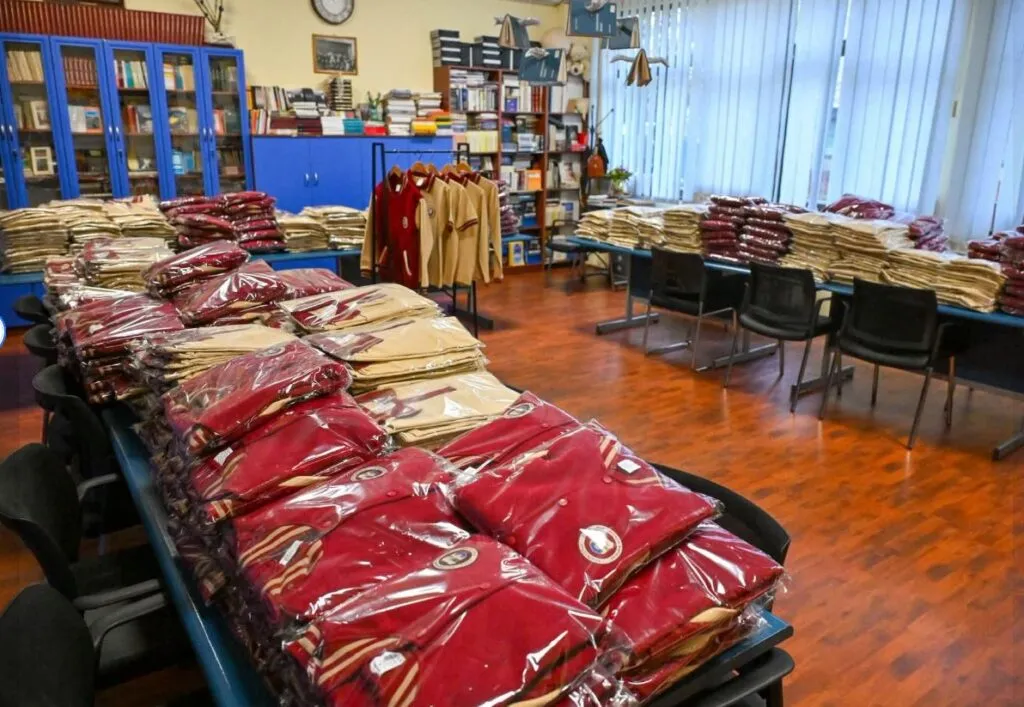
The first delivery arrived at "Korčagin", and the mayor talks about equality and an end to bullying over clothes. The...
A Mediterranean cyclone brings heavy rain, and snow in the mountains. It calms down from Wednesday - until then, the...

Participatory budgeting sounds good, and the meetings are open to anyone. The real test is how many of the residents'...

The question was what a small country should do after changing its name and still finding the road to the...
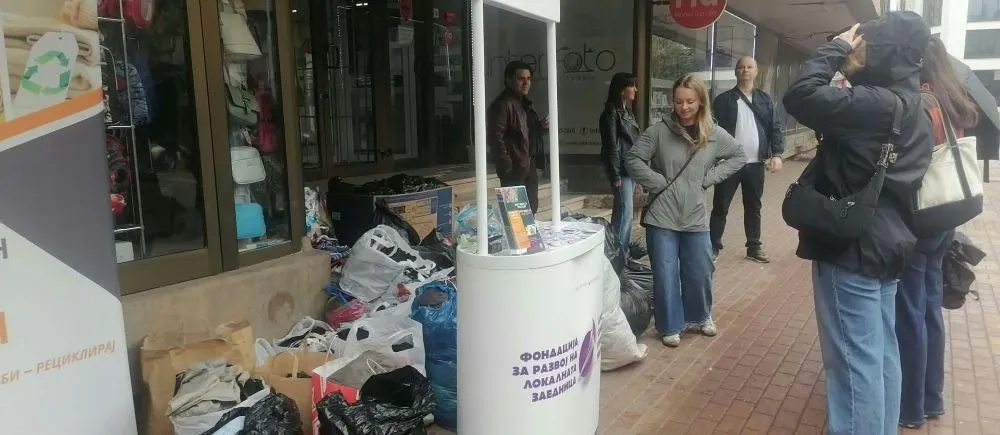
Some will be donated, the rest will become dolls, quilts and pillows. Every municipality over 30,000 residents must have a...

Some finished, some "in the implementation phase". A few schools get named, but there's no figure for the completed ones...

Minors are setting off firecrackers allegedly bought at Bit-Pazar. The Interior Ministry reminds everyone it's illegal, and residents are left...
This site uses cookies - is that okay? Learn more
Be the first to know when Metla launches something new
Leave your email and we'll write to you when there's a new guide or something new on Metla.