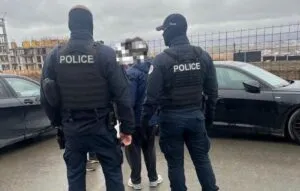
"Crime as a service" with call centres in Macedonia too: over 4 million euros in damage, victims in 50 countries
04.11.2026


04.11.2026
04.11.2026
04.11.2026
04.11.2026
04.11.2026
04.11.2026

04.11.2026
03.11.2026
03.11.2026

04.11.2026

04.11.2026
03.11.2026
04.11.2026

04.11.2026
04.11.2026

04.11.2026
03.11.2026

02.11.2026
04.11.2026
04.11.2026
04.11.2026

04.11.2026

04.11.2026
03.11.2026
04.11.2026
03.11.2026
02.11.2026

23.04.2026

23.04.2026

12.04.2026

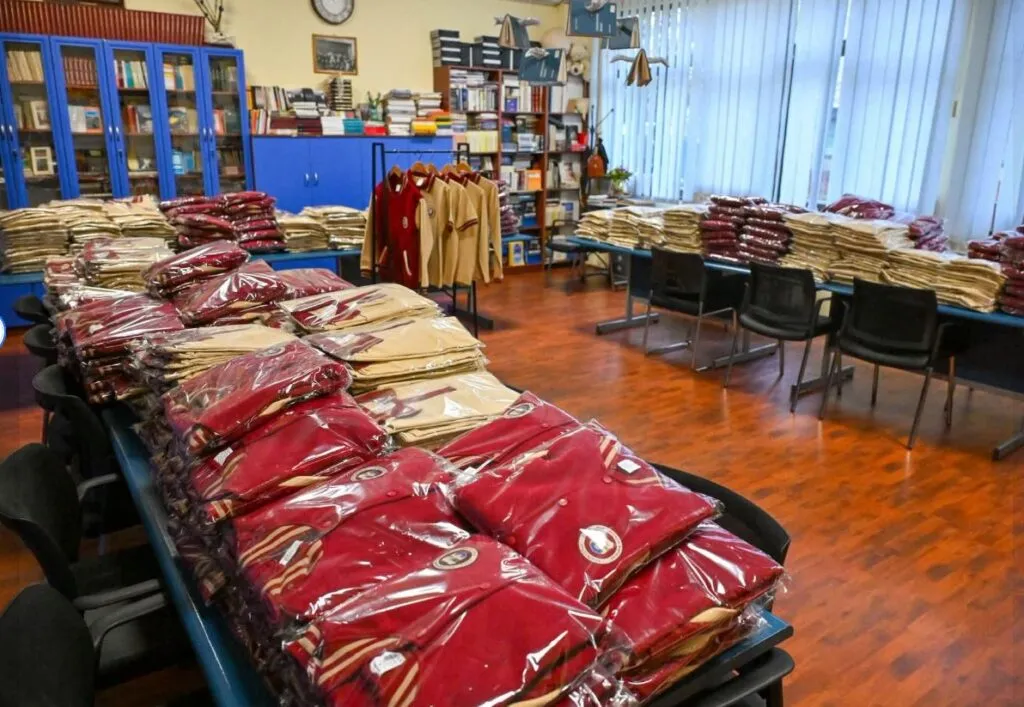
The first delivery of free uniforms from the City of Skopje has arrived at the "Rade Jovčevski - Korčagin" secondary school. The uniforms are one hundred percent cotton, and according to Mayor Orce Gjorgjievski, this is the start of a measure under which every first-year student in the City of Skopje's secondary schools will get a uniform.
The reasoning is nice and hard to argue with. "No student should feel worth less because of their family's financial situation," Gjorgjievski said, adding that uniforms ease the family budget and reduce visible social differences, mockery and bullying over clothes. Any parent who has ever bought trainers for a teenager knows exactly what he means.
The mayor tied the measure to his campaign promise and to a list of investments so far: computer labs, smart boards, new desks and chairs, sports fields and fitness zones. "We are building Skopje's future today, with every promise kept," he said.
What it costs and who's sewing them
The city's press releases don't say a word about the two most important figures - how much the measure costs and how many students will get a uniform. According to figures that appeared in the media, the tender is worth around 23.36 million denars, and the chosen supplier is the company "Bojan Promet", which also made the uniforms for primary school pupils in Kisela Voda while Gjorgjievski was mayor of that municipality.
On its own, that means nothing bad - a company can win a tender twice because it's the best. But that's exactly why the city should publish the figures itself: how many bids there were, what one uniform costs and how many students will wear it. If the measure is good, transparency will only make it stronger.
A uniform can make students equal in the classroom. Public money is only protected by the public - when anyone can see how much was paid and for what.
The latest 10 news from this category
57 percent have no lift, 43 percent don't even have a budget for accessibility, and none have information in Braille....

446,000 hectares, more than two hundred endemic species in Lake Ohrid and about 455,000 residents. Meanwhile Prespa is losing water...
A Music Room, a City Room and a room for the history of the Officers' Club, opened in honour of...
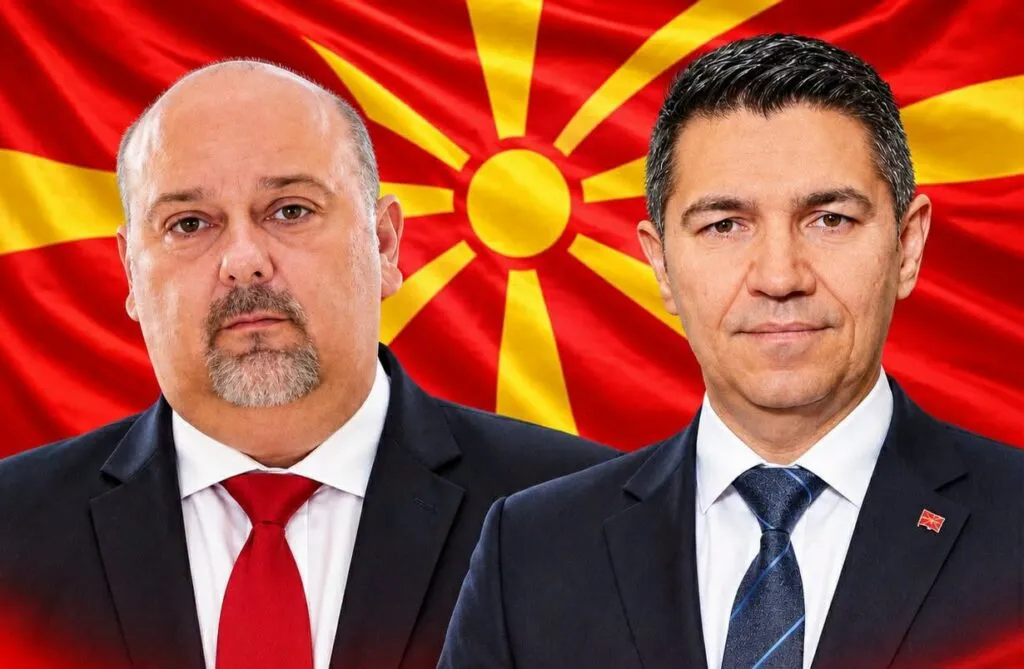
More than 10,000 animals culled, 400,000 EU vaccine doses arrived in the evening, and the agency's director resigned. His successor,...
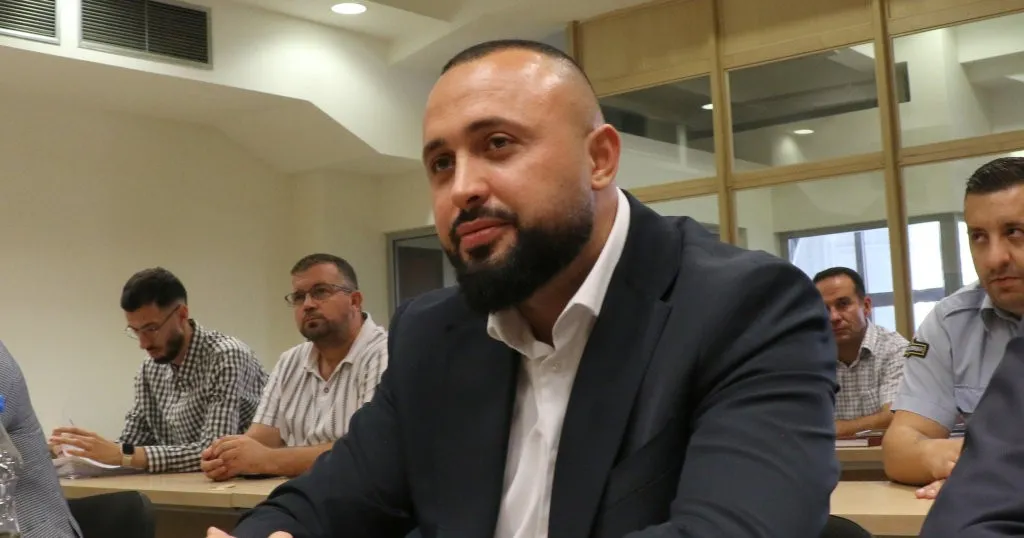
The court accepted a mortgage on property valued at 1,140,781 euros, and Perparim Bajrami is leaving custody before the legal...
After 50 litres of rain in Demir Kapija, stable and dry weather from Wednesday. On Saturday and Sunday the mornings...
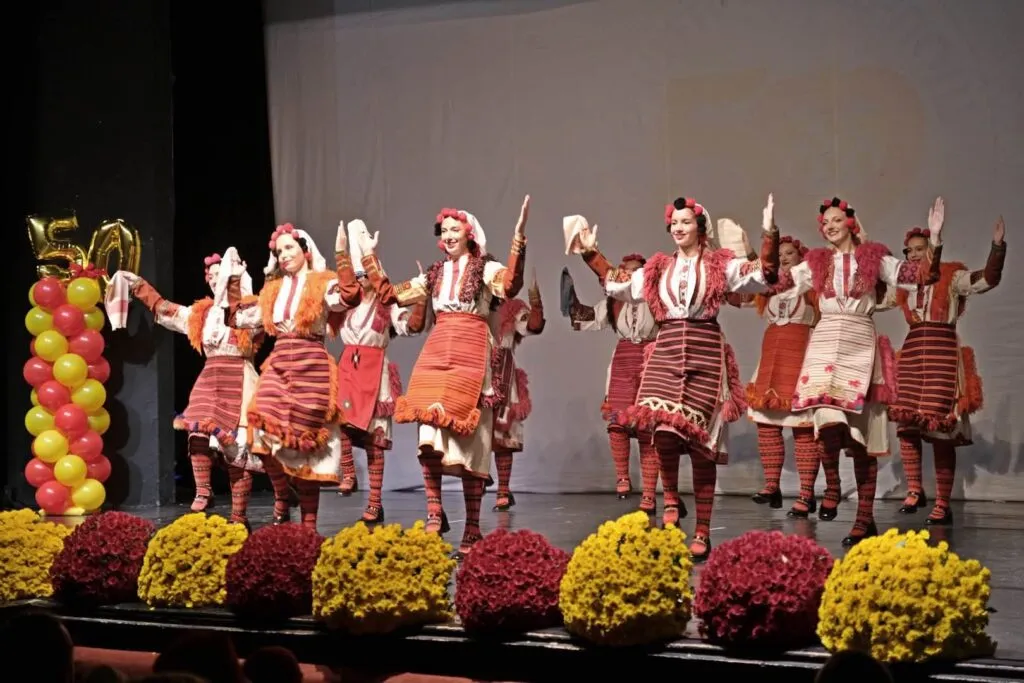
The three Skopje municipalities founded in 1976 celebrated the anniversary with guests from Belgrade and Sarajevo, scholarships and folk dancing....
A fault on an 80-millimetre pipe on Borka Taleski Street. The water utility announces an outage "until the repair is...
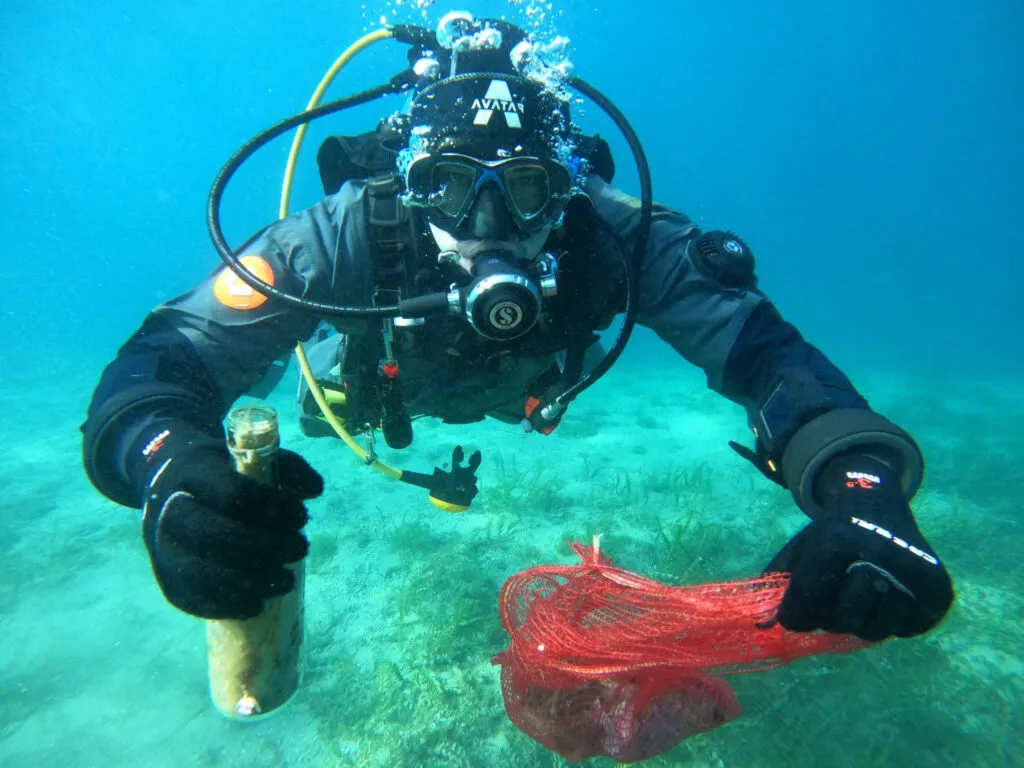
Divers pulled plastic, glass, cans and car tyres out of a lake that is millions of years old. The clean-up...
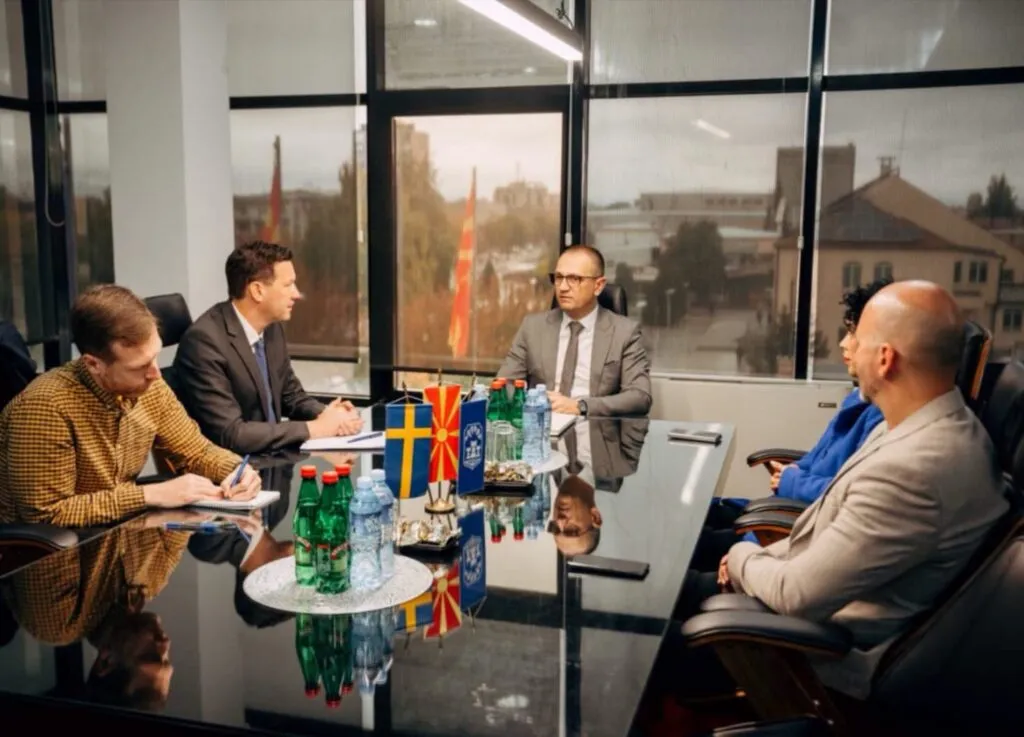
The Swedish ambassador toured the sorting facility and the new collection point, and the mayor promised a model for other...
This site uses cookies - is that okay? Learn more
Be the first to know when Metla launches something new
Leave your email and we'll write to you when there's a new guide or something new on Metla.