Slaveski Tells Filipče to Delete His "Shameful Post": Alta Banka's Customers Got a Duel on X Instead of a Deadline
02.11.2026


02.11.2026

02.11.2026

02.11.2026

02.11.2026
02.11.2026

02.11.2026

02.11.2026

01.11.2026

01.11.2026

02.11.2026

02.11.2026

01.11.2026

02.11.2026

02.11.2026

02.11.2026

02.11.2026

01.11.2026

31.10.2026

02.11.2026

02.11.2026

02.11.2026

02.11.2026

01.11.2026
01.11.2026

02.11.2026

01.11.2026
01.11.2026

23.04.2026

23.04.2026

12.04.2026

Where is the nearest recycling container, and which ones have been sitting full for days? It's all on one map, with data updated every day.
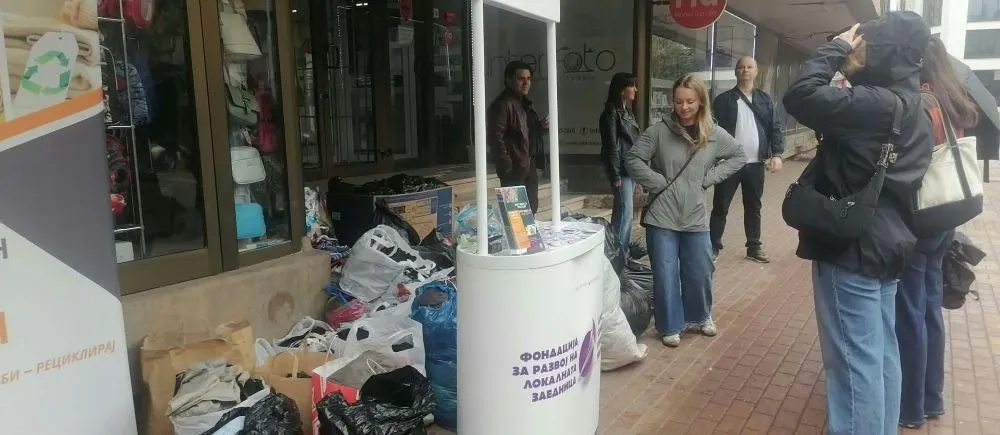
The first drive to collect textile waste from households in Štip ended with several tonnes of laundry and other clothing. The organisers had estimated the town would collect around 12 tonnes a year. After a single drive they are already talking about bigger quantities, and about sound, clean clothes that households throw out.
Behind the project is the Foundation for Local Community Development, backed by the Municipality of Štip and the German government. Clothes in good condition will be donated and the rest recycled at a collection and processing centre eight kilometres from Štip on the road to Radoviš, the first of its kind in Macedonia. It is supposed to turn out dolls, quilts, pillows and similar products. For now, two people do the sorting.
The numbers explain why this started right there. According to research cited by coordinator Boris Šarkovski, textiles make up about 5 percent of all waste nationally, but 35 percent in Štip, a garment-industry town, and more than half of that comes from households rather than factories. The centre won't accept industrial waste.
"Don't throw it away, give it a new round," goes the motto. The foundation promises nothing will be thrown away, and if anything is left at the end, it will be baled and exported to Turkey or burned in specialised facilities. So something will end up outside the circle after all.
There's also an interesting sentence Šarkovski dropped along the way: every municipality with more than 30,000 residents must have a textile waste collection centre. The first centre in Macedonia means all the others don't exist. How many municipalities know about this obligation, and who will ask them, now that one town has started the job with foreign money?
The latest 10 news from this category

The question was what a small country should do after changing its name and still finding the road to the...
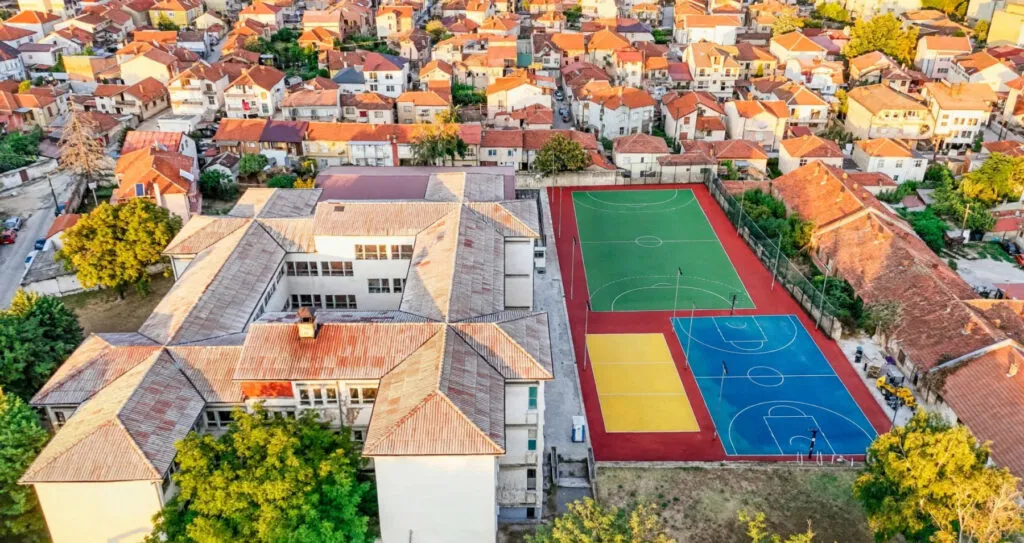
Some finished, some "in the implementation phase". A few schools get named, but there's no figure for the completed ones...

Minors are setting off firecrackers allegedly bought at Bit-Pazar. The Interior Ministry reminds everyone it's illegal, and residents are left...

The City Train carries between 300 and 500 passengers a day, while two trains to Veles and one to Bitola...

Horses in the street, goats all the way to Širok Sokak, a ban on paper, a zoo that's waiting. And...

The number is official, from a state commission. What stands behind it is a woman with nowhere to go back...
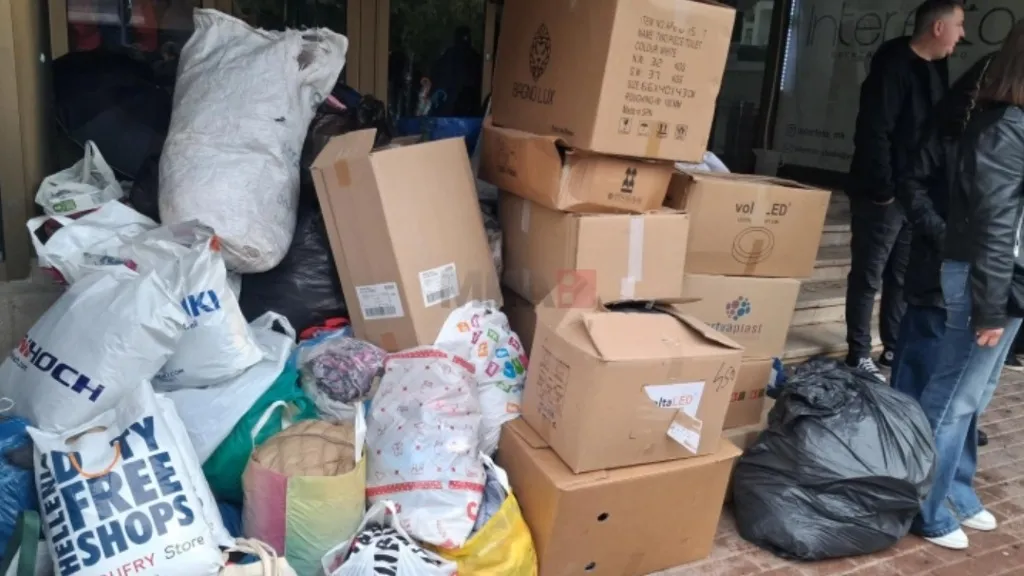
The obligation exists on paper, and the country's two other centers are still only announcements. The first step was taken...
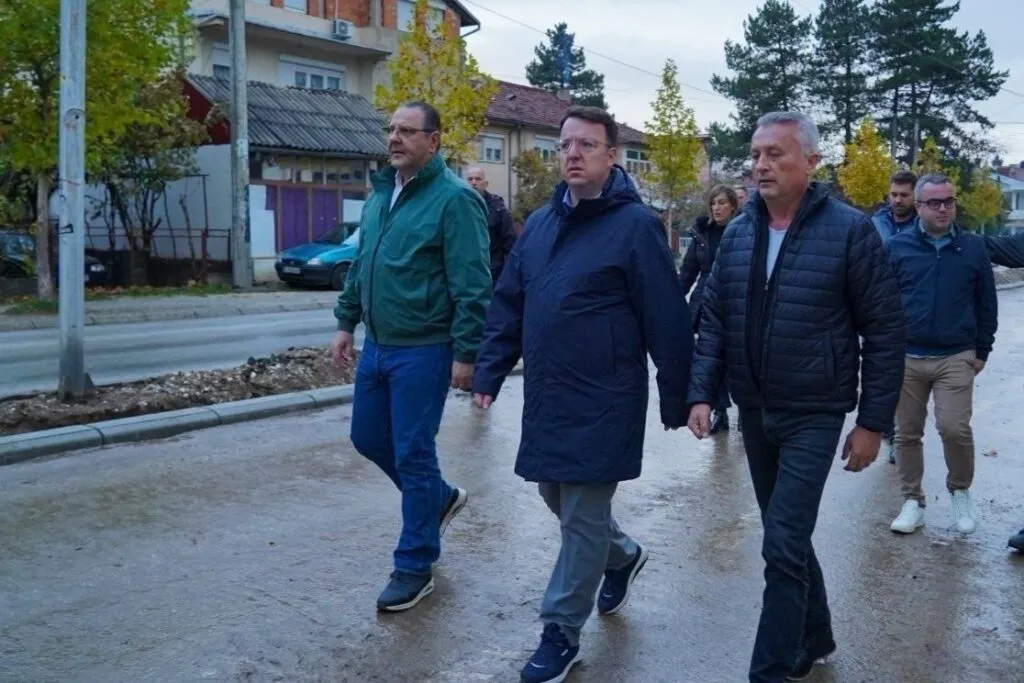
Big number, small street, full delegation on site. One twelfth of the sum can be pointed at with a finger....
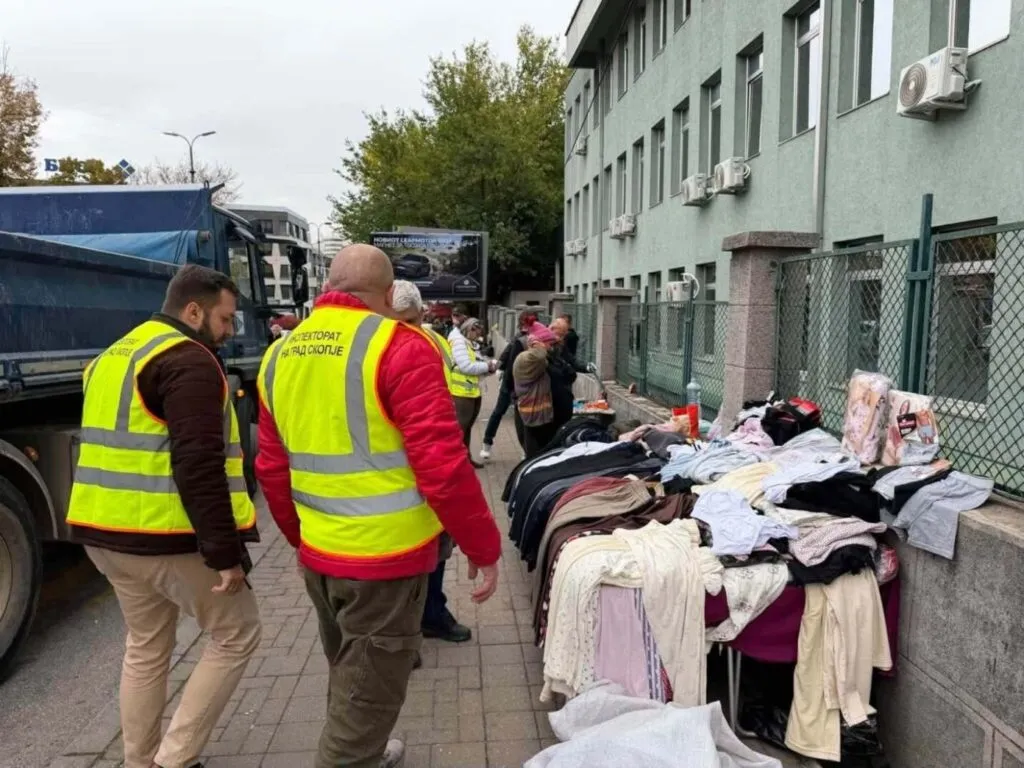
Every government wants a photo with inspectors and a stall. What matters more is what will be on the sidewalk...
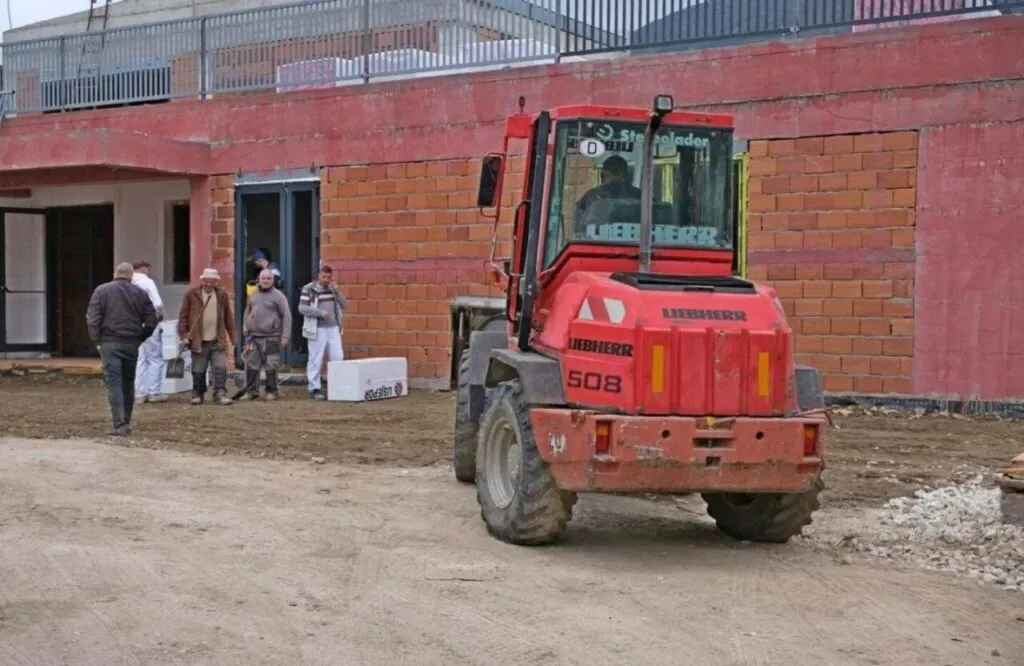
A minister and a mayor on a construction site, figures for square meters and children. The two numbers parents would...
This site uses cookies - is that okay? Learn more
Be the first to know when Metla launches something new
Leave your email and we'll write to you when there's a new guide or something new on Metla.