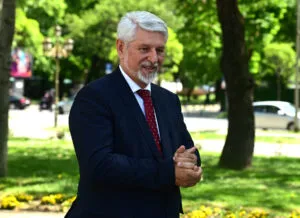
A New Criminal Complaint Against Jakimovski: A Building Permit Based on a Plan Struck Down Back in 2018
16.09.2026


16.09.2026

16.09.2026

16.09.2026
16.09.2026

16.09.2026

16.09.2026
16.09.2026
15.09.2026
14.09.2026

16.09.2026

16.09.2026

15.09.2026

16.09.2026

15.09.2026

14.09.2026

16.09.2026

16.09.2026

16.09.2026

09.03.2026

27.02.2026

19.02.2026
16.09.2026

15.09.2026
14.09.2026

23.04.2026

23.04.2026

12.04.2026

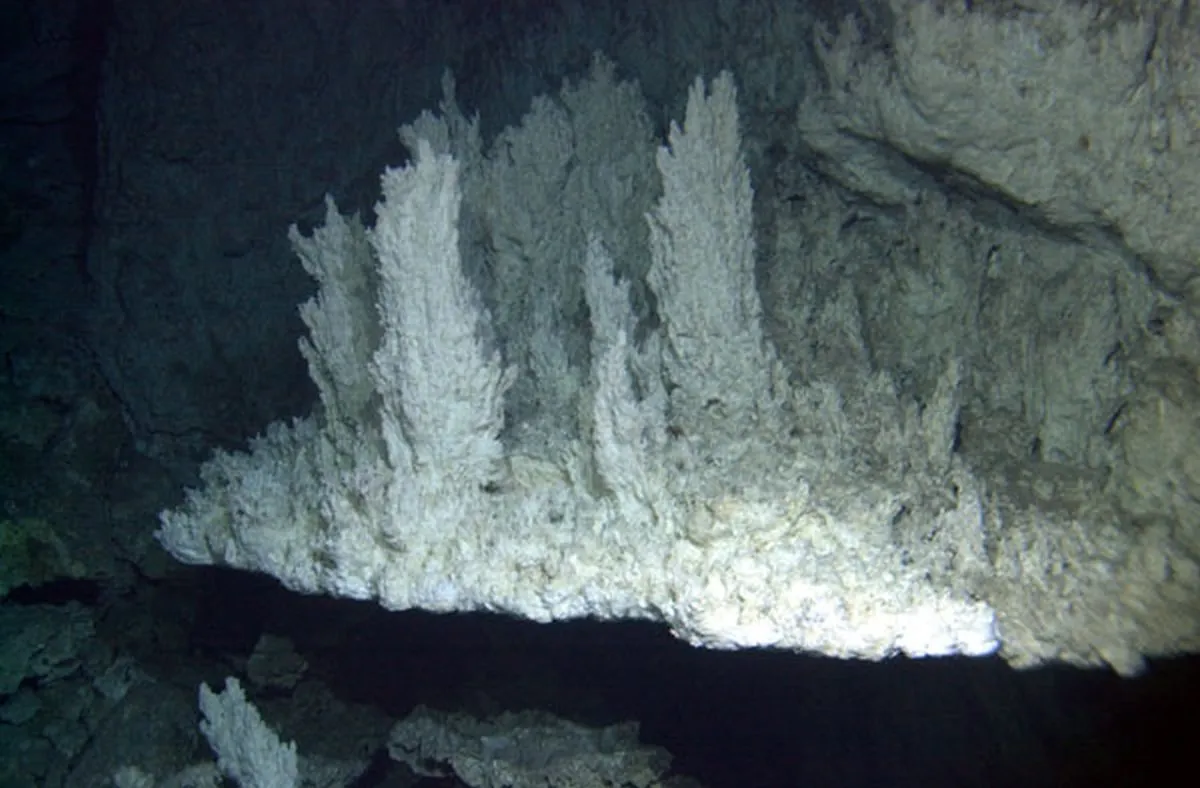
At more than 700 metres deep in the Atlantic Ocean, near the top of an underwater mountain west of the Mid-Atlantic Ridge, stands something scientists call the "Lost City" - a field of pale limestone towers that may hold one of the biggest answers: how life began at all.
Discovered in 2000, this hydrothermal field has been active for at least 120,000 years - the longest-known such environment in any ocean. The tallest tower, named Poseidon after the Greek god of the sea, rises 60 metres. Unlike the volcanic "black smokers" that depend on the heat of magma, the Lost City produces up to a hundred times more hydrogen and methane - and does so through purely chemical reactions between rocks from the Earth's mantle and seawater, with no sunlight and no atmospheric carbon dioxide. And those very gases are considered the building blocks of life.
And despite the extreme conditions, life flourishes there - microbial communities without oxygen, dense populations of snails and crabs, and at times larger creatures too. "This is an example of an ecosystem that could be active right now on Enceladus or Europa," says microbiologist William Brazelton, referring to the icy moons of Saturn and Jupiter. In other words, if life could arise here, it could there too.
But a shadow already hangs over this rarity. In 2018 Poland was granted deep-sea mining rights nearby, which stirs scientists' fear that clouds of sediment could smother the fragile ecosystem before we even understand it. And here is the eternal human story in miniature: we find a place that may hold the secret of our origins - and the first thing we think of is how to dig something out of it. Scientists are seeking protection under UNESCO. The question is whether understanding will arrive before the diggers.
The latest 10 news from this category

Sanctions imposed over one war are being offered as currency in an entirely different dispute. Most member states are against...
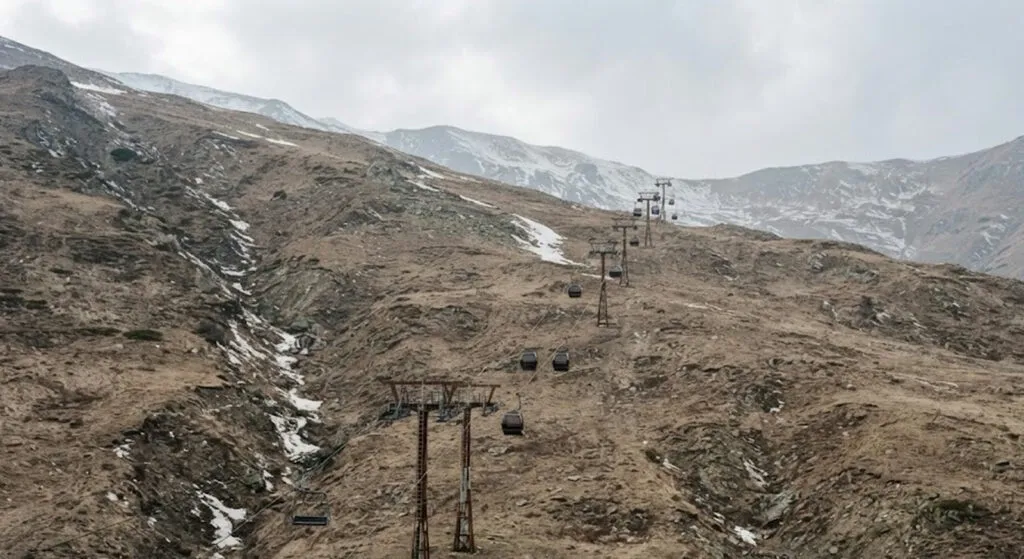
El Nino in the Pacific shifts the currents that decide where snow falls. An area that usually gets a metre...
The easiest way to dismiss an uncomfortable argument is to point at who is making it. But that does not...
The appeals court ruled the entire trial must start over. The son of Norway's queen is waiting for it on...
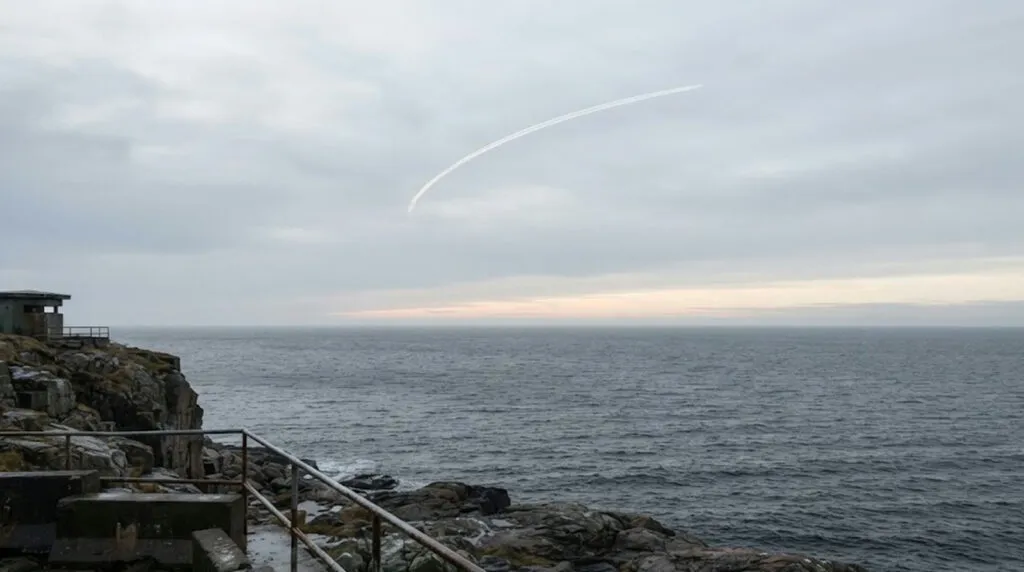
Trump scaled back the military exercises to ease the tension, and Wonsan answered in the form of projectiles. What does...

The sanctions list got a seven-day extension instead of one measured in months, a move diplomats themselves call unprecedented. Two...

Switzerland offered a table for talks on Ukraine, Moscow replied that the table stopped being neutral once Bern adopted EU...

The will says one thing, a committee of twenty-one men decided another. The queen mother says the army pulled the...

A country that was Europe's byword for stability for decades now has a parliament split into two blocs by a...

Sixteen years in power, defeat at a regular election, five months of quiet - and now the election result is...
This site uses cookies - is that okay? Learn more
Be the first to know when Metla launches something new
Leave your email and we will write when there is a new guide or something new on Metla.