

Kratovo man stabs police officer mid-intervention: prosecutors want the 40-year-old detained
15.09.2026


15.09.2026

15.09.2026

15.09.2026

15.09.2026

15.09.2026

15.09.2026

15.09.2026

14.09.2026
13.09.2026

15.09.2026

15.09.2026
14.09.2026
15.09.2026
15.09.2026
15.09.2026
15.09.2026
14.09.2026
13.09.2026
15.09.2026
15.09.2026
15.09.2026

15.09.2026

15.09.2026
14.09.2026

09.03.2026

27.02.2026

19.02.2026
14.09.2026

14.09.2026

13.09.2026

23.04.2026

23.04.2026

12.04.2026

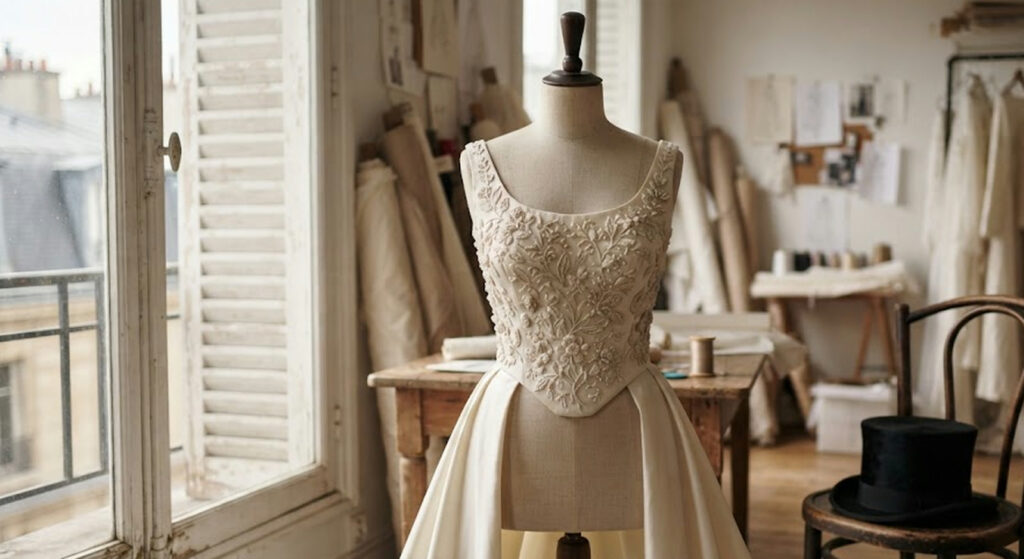
Three hundred and fifty guests, and every man wearing a top hat. That was the only strict rule at the wedding of Lourdes Montes and Francisco Rivera on 14 September 2013 - and the rule came not from protocol but from the groom, who wanted to see his friends dressed that way.
"Fran really liked the idea of seeing his friends in top hats that day, and it seemed fine to me", Lourdes explained. The women, to keep the same line, wore headpieces. The result was a wedding that looked formal but was built around the opposite idea. "We both had the same notion of the wedding: that it should not be an overly formal event", she said.
A house that has been waiting since 1920
The venue was not chosen for its looks. Recreo de San Cayetano in Ronda is the Ordóñez family house, bought in 1920 by Francisco's grandfather - Cayetano Ordóñez, known as "El Niño de la Palma". A wedding in a house the same family has held for more than a century is not a choice of location; it is a statement about whose day it is.
Two hundred hours of handwork for one evening
The first dress was by Pronovias - a silk crepe skirt, long sleeves, a V-shaped neckline, with hand embroidery of floral motifs in silk thread and matte beads. That embroidery took more than two hundred hours of work. The shoes were signed by Pura López, and on her head she wore a crown of ecological gold by the Brazilian designer Lia Terni, with a braid, wild flowers and ribbons.
The bouquet was not an aesthetic decision but a family one: bougainvillea, tuberose and cascading jasmine, put together as a tribute to the wedding bouquet of Francisco's grandmother, Carmina González. For the second change there was a short sleeveless dress, also by Pronovias, inspired by lingerie - mesh and crystal embroidery, with a tiara by Querubina and earrings by Suárez.
The ceremony was led by Juan Ignacio Zoido, then the mayor of Seville. The rings were rose gold, by Rabat. The cocktail was made by Manolo Julià, the bride's uncle. The banquet was held under a marquee with turquoise linen, and Remedios Amaya sang flamenco.
What this wedding shows twelve years later is not the trend - the trends have passed. What remains is that everything that counted for anything that day was either made by hand or inherited: the embroidery, the bouquet, the house, the uncle at the stove. That is a difference anyone who has organised a wedding in the Balkans recognises immediately - there are weddings where you pay for a service, and weddings where somebody puts in the work.
The latest 10 news from this category
Bob Mackie died at 87 with nine Emmy awards and one Tony that arrived fifty years late. Miley, Zendaya and...
The natural brow is the one that bills the least. Perhaps that is why the recommendation has run in the...
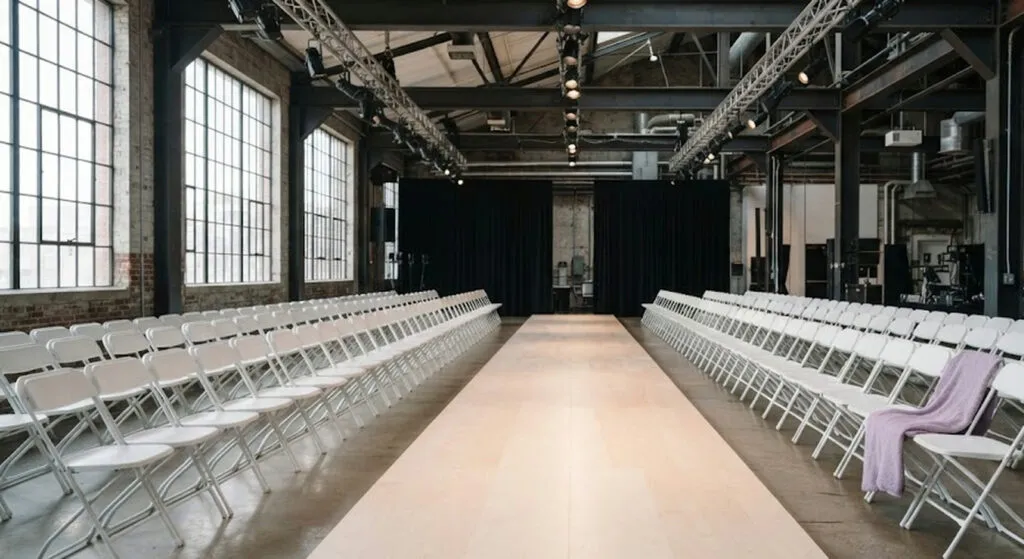
For years she sat in the front row in Paris, Milan and London. Now she has stepped onto the runway...
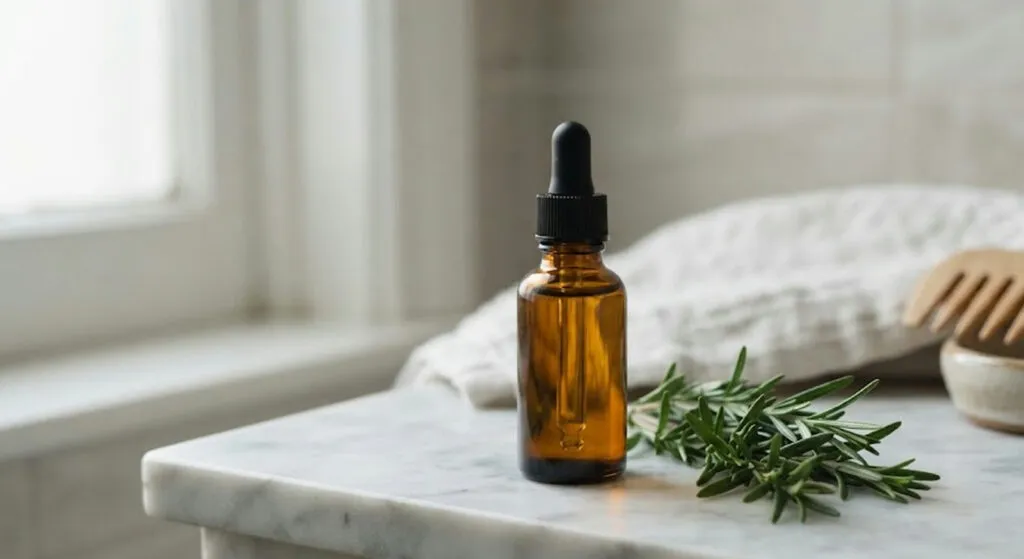
The most repeated hair tip on the internet has a narrow, real effect and one important prohibition almost nobody mentions....
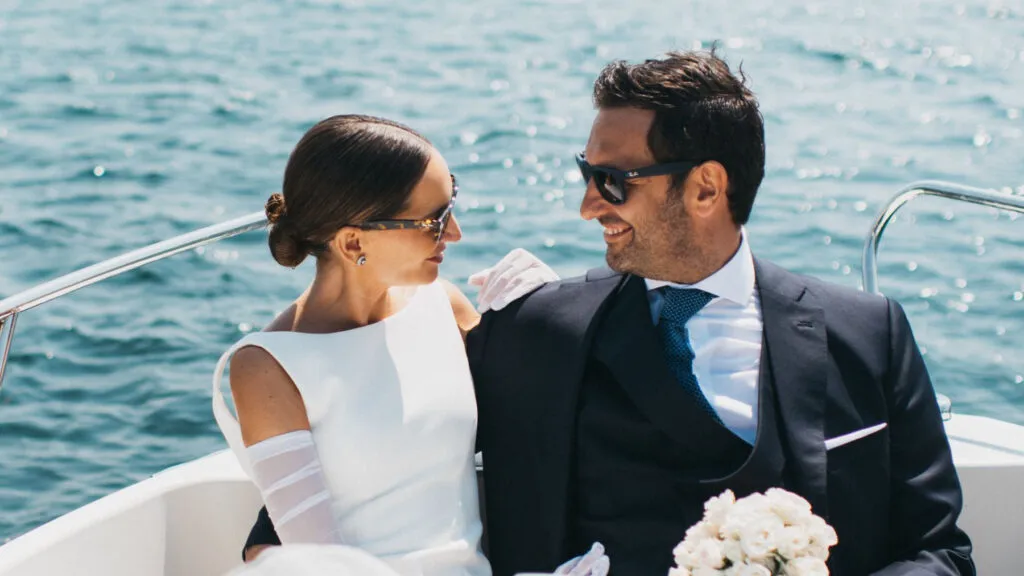
A veil for the ceremony, tulle gloves for lunch, the hem removed for dancing. The bouquet held exactly 27 white...
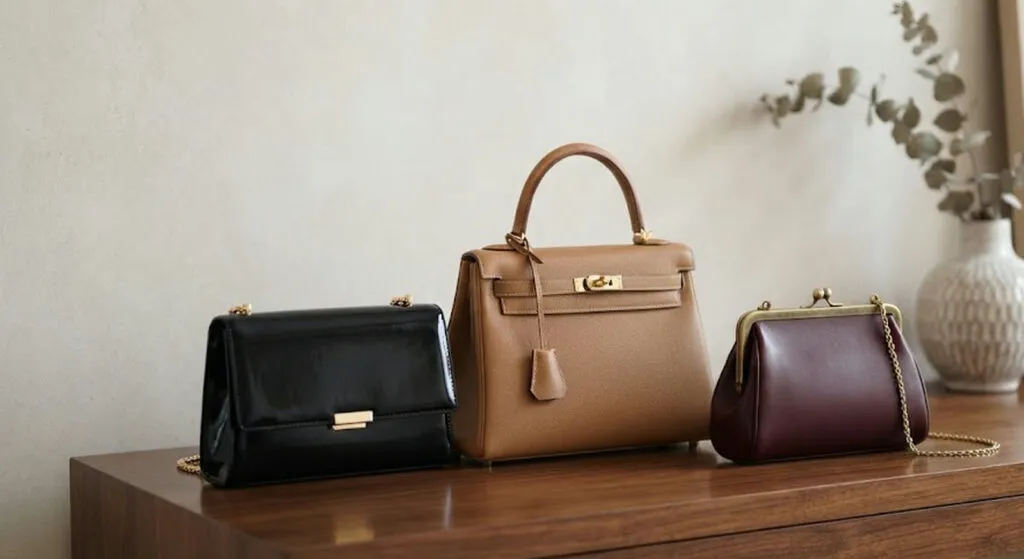
The meaning is not that they have to carry it. The meaning is that behind them stands a team that...

The industry moved from one big procedure to a subscription. That is called progress, but it is worth knowing before...
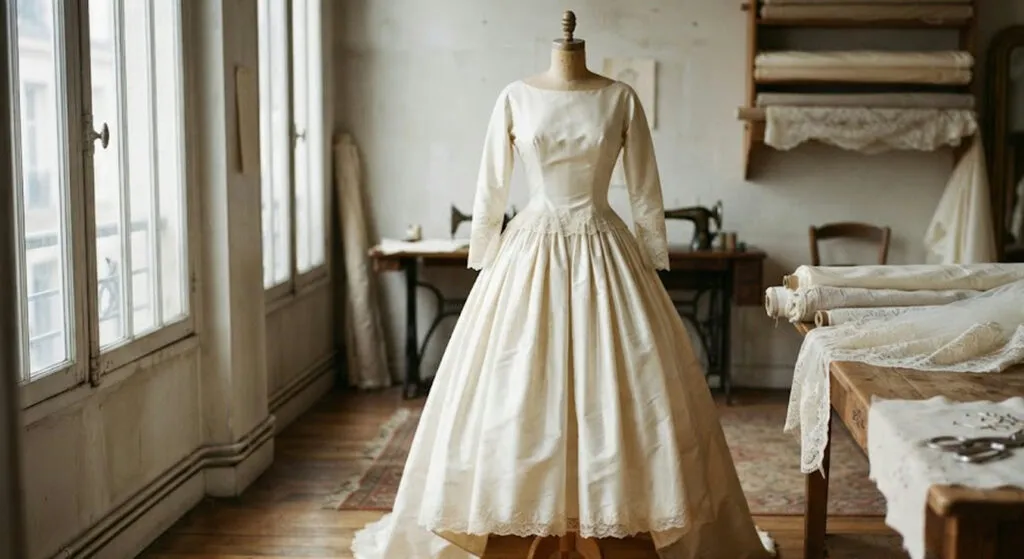
Twelve hundred guests, a five-tier cake and an exclusive photographer. For the woman who sewed the dress - two words,...
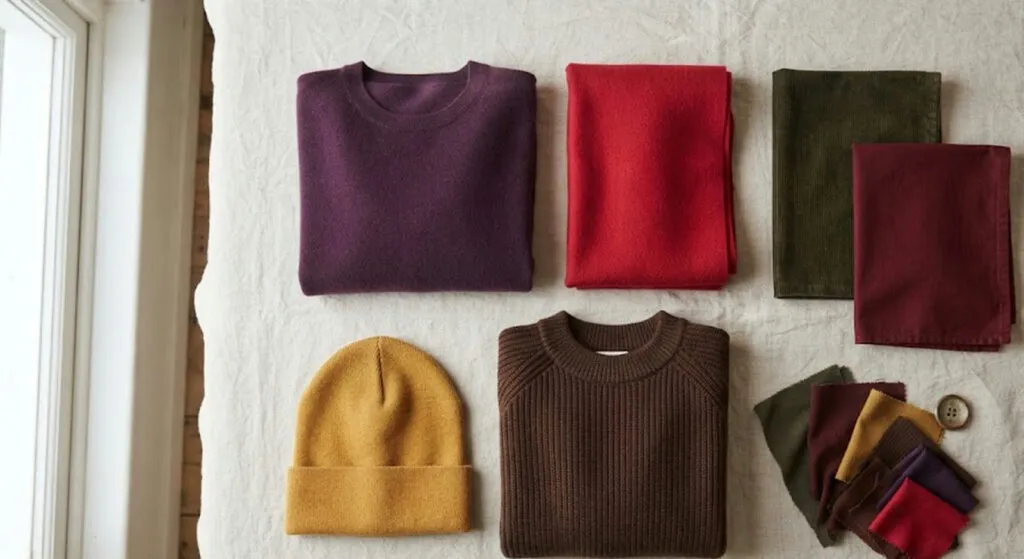
Alaia and Dior have already put mustard into their collections, and the fashion press is naming red-and-purple the duo of...
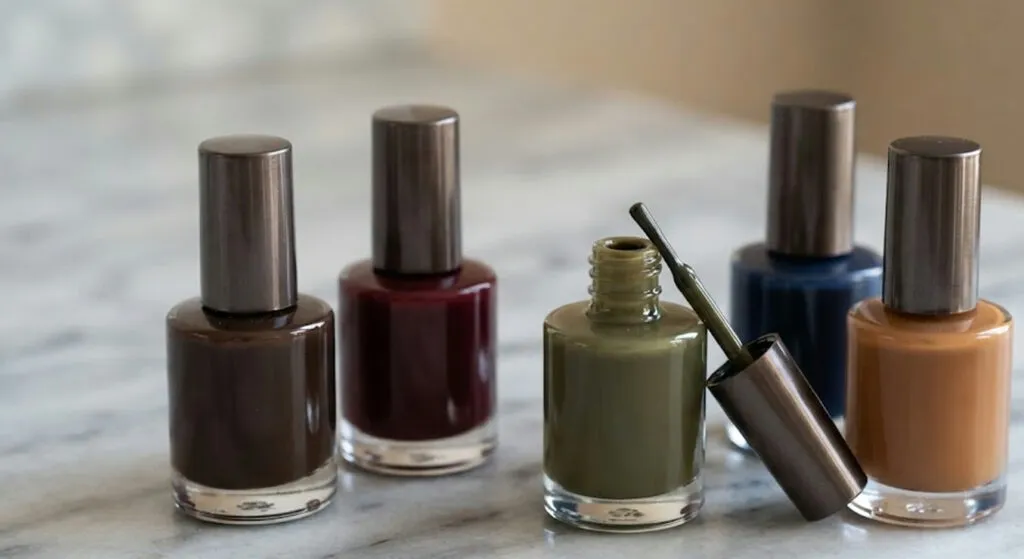
Chocolate brown, burgundy, olive and navy are taking the season. The question before you spend: how many of the twelve...
This site uses cookies - is that okay? Learn more
Be the first to know when Metla launches something new
Leave your email and we will write when there is a new guide or something new on Metla.
