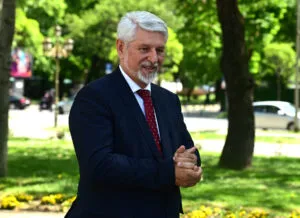
A New Criminal Complaint Against Jakimovski: A Building Permit Based on a Plan Struck Down Back in 2018
16.09.2026


16.09.2026
16.09.2026
16.09.2026
16.09.2026
16.09.2026
16.09.2026
16.09.2026
15.09.2026
14.09.2026
16.09.2026

16.09.2026

15.09.2026

16.09.2026
15.09.2026
14.09.2026

16.09.2026
16.09.2026

16.09.2026

16.09.2026

15.09.2026
15.09.2026

09.03.2026

27.02.2026

19.02.2026
16.09.2026

15.09.2026
14.09.2026

23.04.2026

23.04.2026

12.04.2026

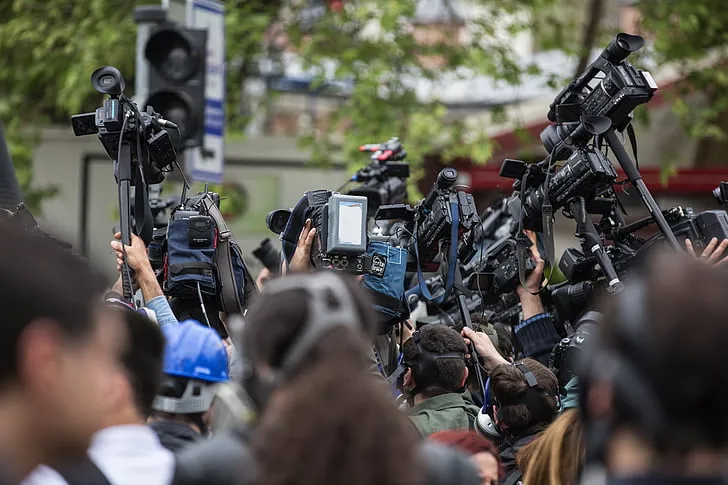
Macedonia has dropped nine places on the World Press Freedom Index of "Reporters Without Borders" - from 36th to 45th. In just two years, nine positions down. That isn't a movement on the table. It's a sign of something structural.
The 2026 report carries wider numbers too. For the first time in 25 years, more than half of the countries in the world are in the "difficult" or "very serious" category for press freedom. Only seven countries have a "good" rating - all of them in northern Europe. Less than 1 percent of the world's population lives in a country with "good" press freedom.
The region isn't in a better position. Serbia is in 104th place - down eight positions. Bosnia and Herzegovina is in 90th. Kosovo, the only one, climbed 15 positions - but from a very low starting point. The whole of the Balkans is moving in the wrong direction.
Why? Because in 110 out of 180 countries, journalists are criminalised by law. That is highlighted as the fastest-deteriorating indicator in the index. It doesn't put any filter on free expression. It simply makes it illegal.
The Macedonian situation in this report is no surprise to anyone working with media every day. Pressure from politics, presumed pull-back from editors, project-based funding that conditions content, the disappearance of independent newsrooms. All of it has been documented over the past five years.
The global context is even harder. In Gaza more than 220 Palestinian journalists have been killed during the conflict - "the most dangerous place in the world for journalists", as the report describes it.
The question for the Balkans is one: will press freedom come back when the parties change, or are we in a deep structural crisis? The 25-year low doesn't come from one government. It comes from a way of working no one wants to change.
The latest 10 news from this category
The World Bank dropped out over misalignment with EU requirements. Construction will take two and a half years, and the...
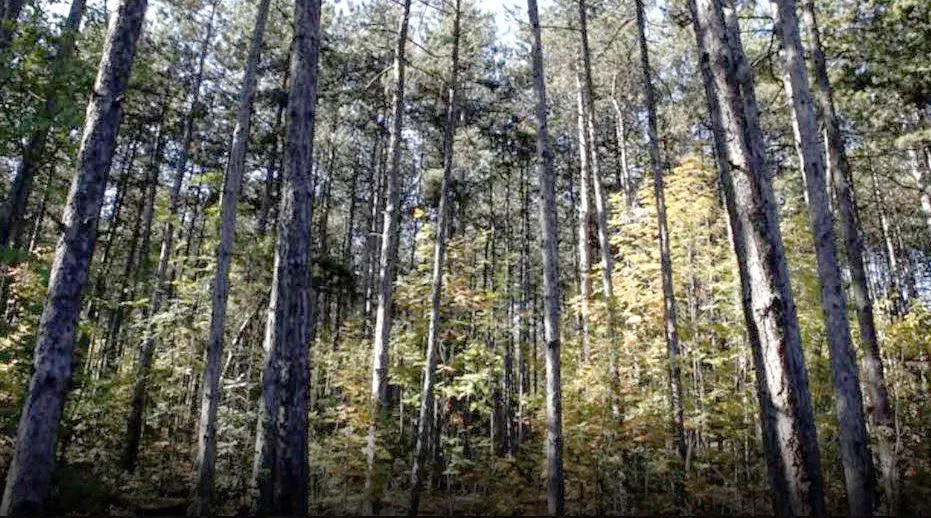
Of 9,500 square metres of greenery, 268 remain. Terrain with an 80-metre height difference, no erosion study and no opinion...
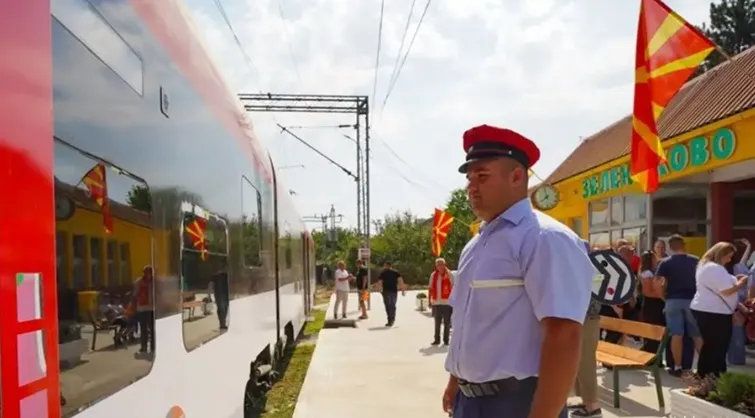
Gjorgjievski says the system should be ready by the middle of next year. The BRT tender is announced for the...
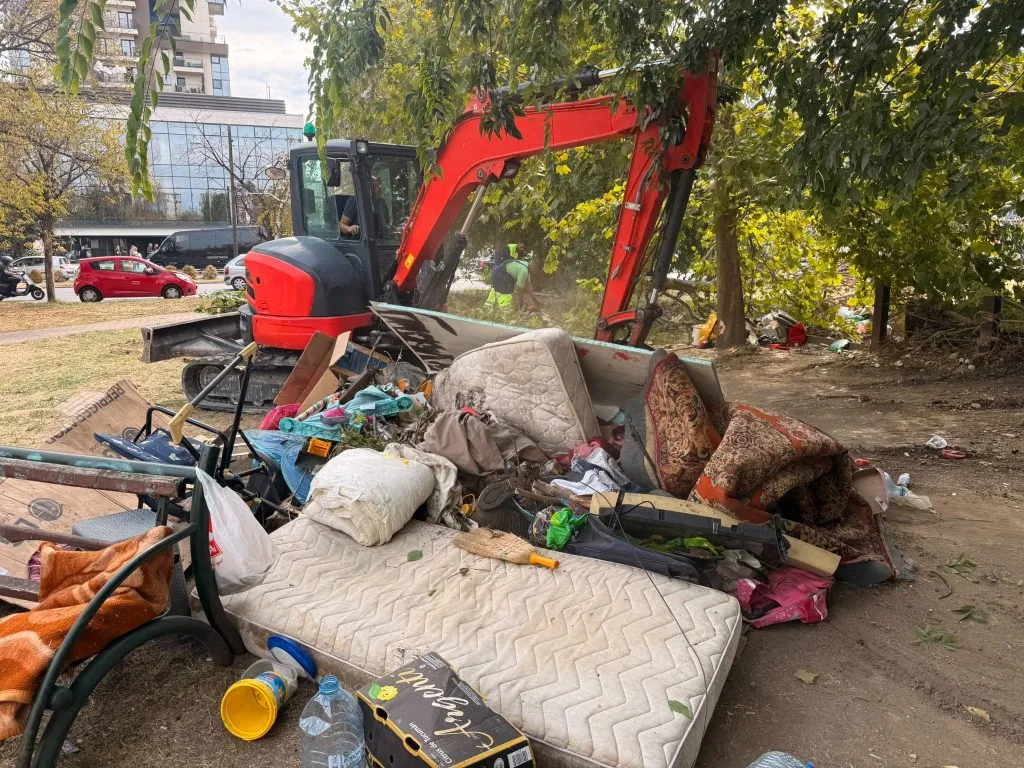
The second operation at the same site within a year. Gerasimovski himself is appealing to the Labour Ministry - because...
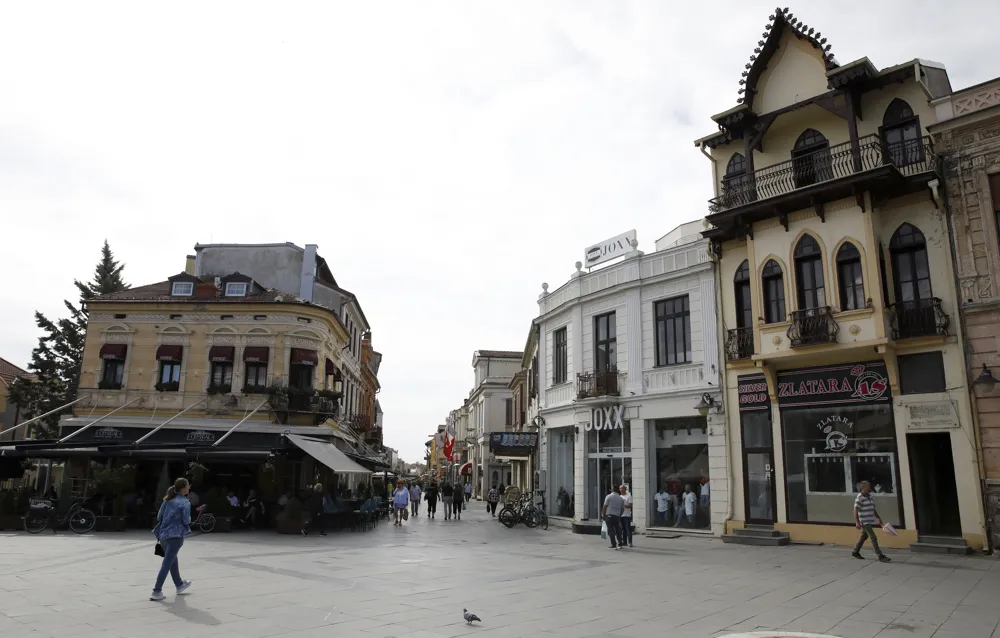
A prosumer scheme, a solar oven and electricity generated by bicycle on Magnolija square. The city that has paid the...
Stefanija Dimovska won two medals at IESO 2026, working in mixed international teams. Before that she was also national champion...
Out of nearly 4.7 million denars, the municipality is putting in around 180,000. The rest comes through the Bureau for...
Ten years working inside the health system - and she still had to pull strings to be admitted. The clinic...
Appeals run from 15 to 25 September. There is not enough space at Goce Delčev, so students go to Stiv...
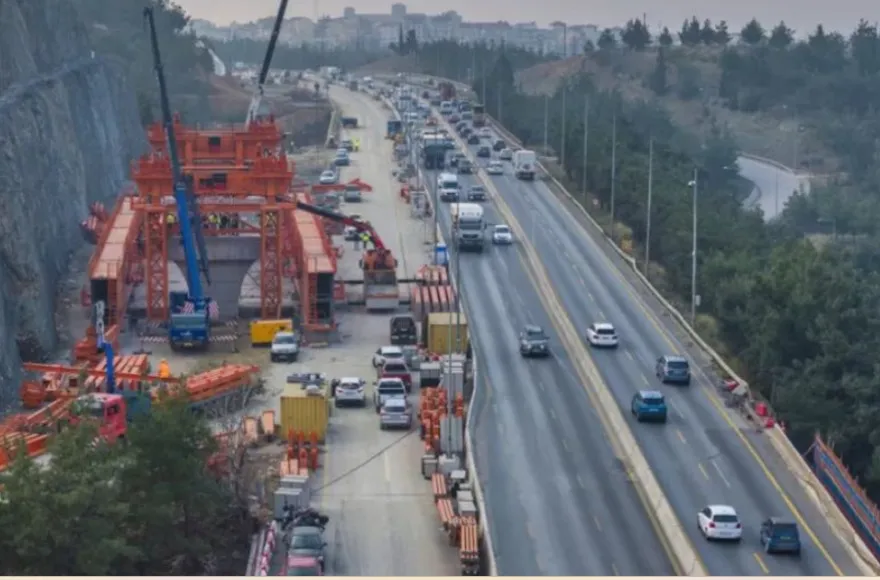
From 23:00 to 05:00 there is no getting through towards Evzoni. Towards Halkidiki - business as usual. Those heading on...
This site uses cookies - is that okay? Learn more
Be the first to know when Metla launches something new
Leave your email and we will write when there is a new guide or something new on Metla.