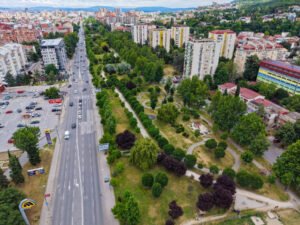
Нови клупи и обновени летниковци во паркот „Македонија“: ќе преживеат ли една зима без да бидат уништени
13.06.2026


13.06.2026

13.06.2026

13.06.2026

13.06.2026

13.06.2026

13.06.2026

13.06.2026

13.06.2026

13.06.2026

13.06.2026

13.06.2026

12.06.2026

13.06.2026

12.06.2026

11.06.2026

13.06.2026

13.06.2026

13.06.2026

13.06.2026

12.06.2026
12.06.2026

09.03.2026

27.02.2026

19.02.2026

09.06.2026
22.05.2026

19.05.2026

14.04.2026

07.11.2025
07.11.2025

23.04.2026

23.04.2026

12.04.2026

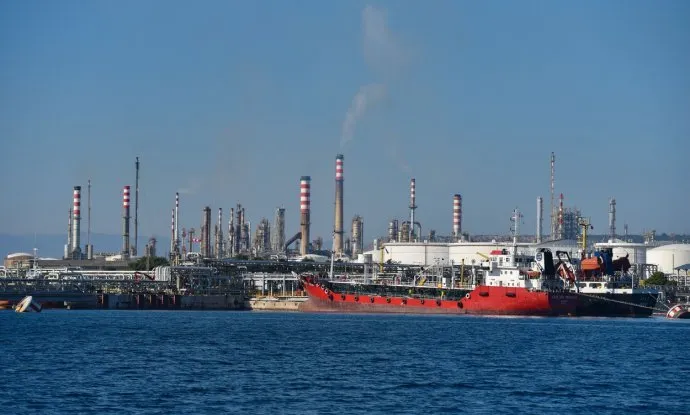
Brent crude for July delivery - 105.76 dollars per barrel. Over four percent in a single day. Only last week the price was sliding down to 96 dollars while there was still hope of a diplomatic fix between Washington and Tehran. Now - reality has hit back.
Talks over the Strait of Hormuz showed „little progress". Donald Trump described the latest Iranian response as „completely unacceptable" and put the threats back on the table. Iran in turn rejected the American proposal. Benjamin Netanyahu said the Israeli conflict will „continue" until the question of Iran's nuclear programme is resolved.
Analysts stress - this is not a short-term price. The crisis can drag on. If the strait is fully closed - a scenario which is not impossible - the analyses predict a price of 150 dollars per barrel. That is another 40 percent on top of where we are now. Global recession. And even higher prices for everything - from diesel to flour to spare parts.
Why the Strait of Hormuz? Because „a significant share" of the global export of oil and gas runs through it. Between 10 and 12 million barrels a day. If it shuts, Iran is not the only one losing exports. All Gulf exporters - Saudi Arabia, the UAE, Kuwait - are bottled up.
For the Balkans, this is a direct hit. Our oil is imported via Greek and Mediterranean routes - but the price is global. When Brent breaks 105 dollars, diesel at the pump goes up within 7 to 10 days. Transport gets more expensive. Food gets more expensive. Everything does.
Another casualty - South Korean stocks, which fell. Korean firms depend on stable exports and a string of industries are wired into energy. When the oil price is unstable, investors flee from the shares of companies with high energy costs.
Macedonia has no oil reserves on a scale that lets it react. It does not have meaningful strategic reserves either. When global prices jump, our budget and our citizens both pay - with a week or two of delay. That is the cost of a global conflict we are not part of - but which refuses to leave us alone.
The latest 10 news from this category

Анѓушев од Феро Инвест: над 250 MWh батерии веќе изведени, обновливата енергија без складирање не вреди - но дали државата...

Вкупниот пакет достигна 2,2 милијарди, но фондот бара реформи што најмногу ги чувствува обичниот граѓанин - позната балканска динамика.

Владата најави младински додаток од 3.000 денари и мерки за младите - но прашањето е колку ќе имаат вистинска работа...

6.500 инженери префрлени без избор да хранат ВИ модел опишуваат соул-крашинг работа, а Закерберг тврди дека се попаметни од хонорарците...

Софтвер за фишинг што секој може да го користи однесе речиси два милијарди долари и податоци од милиони картички -...

Компанијата што најгласно зборува за опасностите на вештачката интелигенција доби итно гасење на Mythos 5 и Fable 5 - а...

$4,046 an ounce, a weekly loss of 6.3 percent. The market reacts to interest rates in Washington, not to the...

A GPS on every machine, an end to ads that sell gambling as success. A 500-metre limit won't fix everything...

Finance companies will no longer pay out in cash. Behind the dry wording sits a real problem - zero percent...

75,000 artificial tracks a day, and 85 percent of their plays are bots. When a machine steals from a machine,...