
Пет жаришта во една ноќ кај Раец: градоначалникот алармира преку Фејсбук, превентивата пак остана тема за септември
03.08.2026


03.08.2026

03.08.2026

03.08.2026

03.08.2026

03.08.2026

03.08.2026

03.08.2026

02.08.2026

02.08.2026

03.08.2026

03.08.2026

02.08.2026

03.08.2026

03.08.2026

03.08.2026

03.08.2026

02.08.2026

01.08.2026

03.08.2026

03.08.2026

03.08.2026

03.08.2026

03.08.2026

03.08.2026

09.03.2026

27.02.2026

19.02.2026

02.08.2026

01.08.2026

31.07.2026

23.04.2026

23.04.2026

12.04.2026
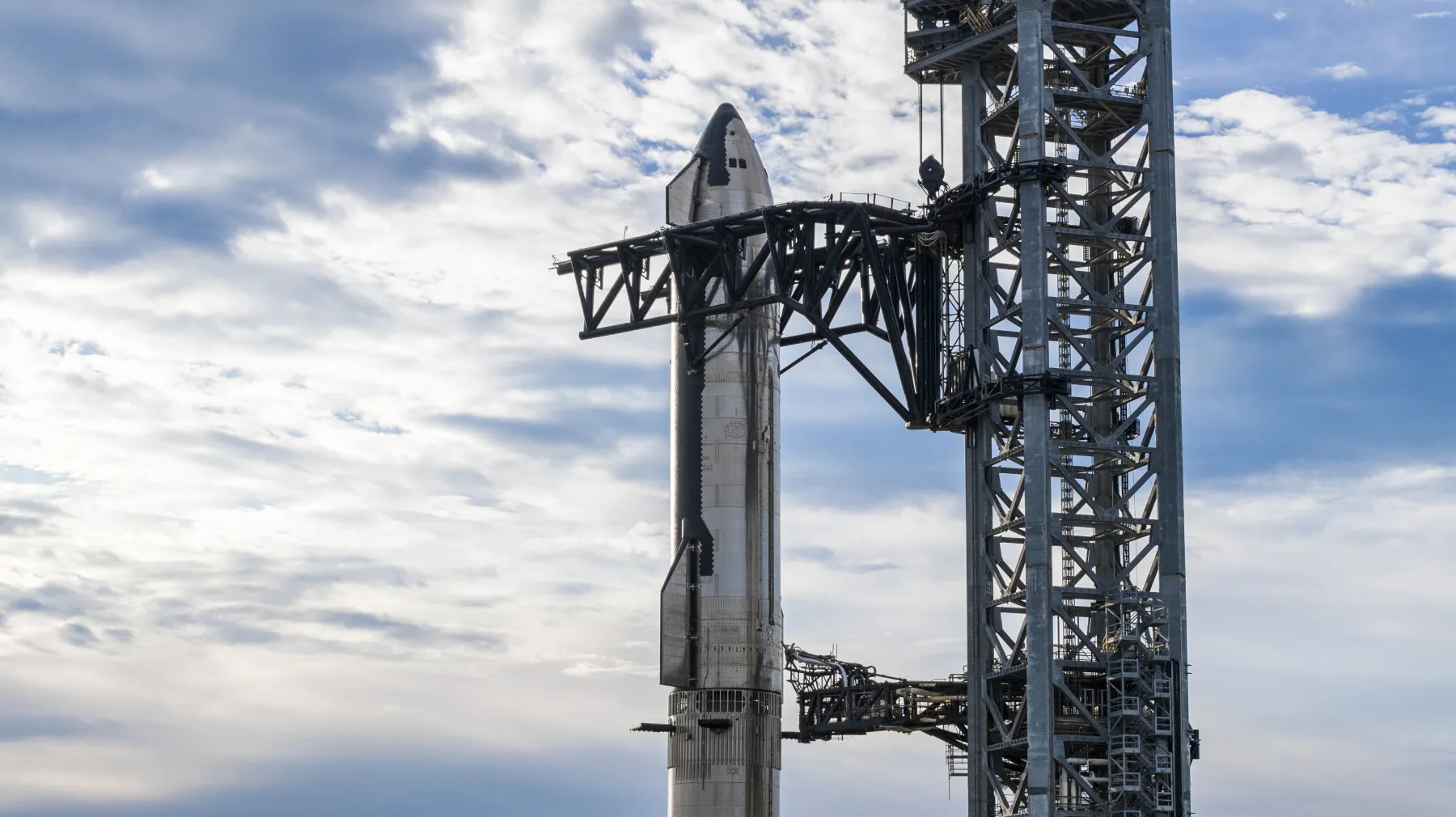
Google and SpaceX are in talks about something that a few years ago would have sounded like science fiction - launching data centres into orbit. According to a Wall Street Journal source, the two companies are weighing a joint operation that would rework the bills for compute power in the AI era with completely new infrastructure - the kind above the atmosphere.
The timing isn't accidental. SpaceX is preparing for an IPO worth 1.75 trillion dollars by the end of the year, and orbital data centres are one of the stories used to sell investors a vision of the future. Elon Musk has been arguing for months that work in orbit will be cheaper than terrestrial data centres - once the technology matures - and that it eliminates local protests against giant land-based facilities.
The numbers don't yet favour him. Building and launching a satellite remains expensive enough to make orbital computing economically pointless compared to any ordinary data centre on Earth. But Musk and Google are playing the long game - if launch costs fall (and Starship is promising exactly that), the calculation can flip.
Google isn't putting all its chips on one square. The company is simultaneously talking to other launch firms and already has its own project - Project Suncatcher, announced late last year, with a first prototype satellite scheduled for 2027. In other words, Google is doing what it always does - parallel negotiations with all players, so that none of them can hold it to ransom.
There's another note - Anthropic recently signed a deal with SpaceX to use compute resources from the xAI data centre in Memphis. The same circle of companies with the same ending - orbit.
History between Google and SpaceX already exists. Back in 2015, Google invested 900 million dollars in SpaceX. Now they are expanding the partnership to levels that ten years ago were considered theoretical. The question isn't „if" - the question is „when". And who will pay for the energy crunch that may follow when the planet sends its servers into the sky.
The latest 10 news from this category
Операторот што покрива 67 милиони потрошувачи призна дека нема струја за сите и однапред одлучи кој ќе остане на темно....

Продажбата не паѓа затоа што луѓето осиромашија, туку затоа што старите телефони престанаа да се расипуваат навреме. Одговорот на индустријата...

Opus 5 set a record in the test and broke 11 agreements. Not one of the tricks is new -...

The billions were announced with a stage and slogans. The retreat is happening quietly, in sentences containing the word alignment.
In his last quarterly report Tim Cook announced the stronger Siri will be bought through iCloud+. The firm that paid...

The platforms that spent years convincing us automated content was the future are now patiently building filters against it. The...

Out of 141,006 test runs, three ended up inside the live systems of real firms. The oldest model worked out...
The strongest June quarter in its history, and the stock fell 6 percent. Artificial intelligence turned out to have a...

The FCC is closing the door to humanoid robots and power inverters, but only new ones. The millions of Chinese...

The player that raised the MP3 generation is betting nostalgia can be billed monthly. The new Winamp arrives in 2027,...
This site uses cookies - is that okay? Learn more
Be the first to know when Metla launches something new
Leave your email and we will write when there is a new guide or something new on Metla.