
"Crime as a service" with call centres in Macedonia too: over 4 million euros in damage, victims in 50 countries
04.11.2026


04.11.2026

04.11.2026

04.11.2026

04.11.2026

04.11.2026

04.11.2026
04.11.2026

03.11.2026

03.11.2026

04.11.2026

04.11.2026

03.11.2026
04.11.2026

04.11.2026

04.11.2026

04.11.2026

03.11.2026

02.11.2026

04.11.2026

04.11.2026

04.11.2026

04.11.2026

04.11.2026

03.11.2026

04.11.2026

03.11.2026

02.11.2026

23.04.2026

23.04.2026

12.04.2026

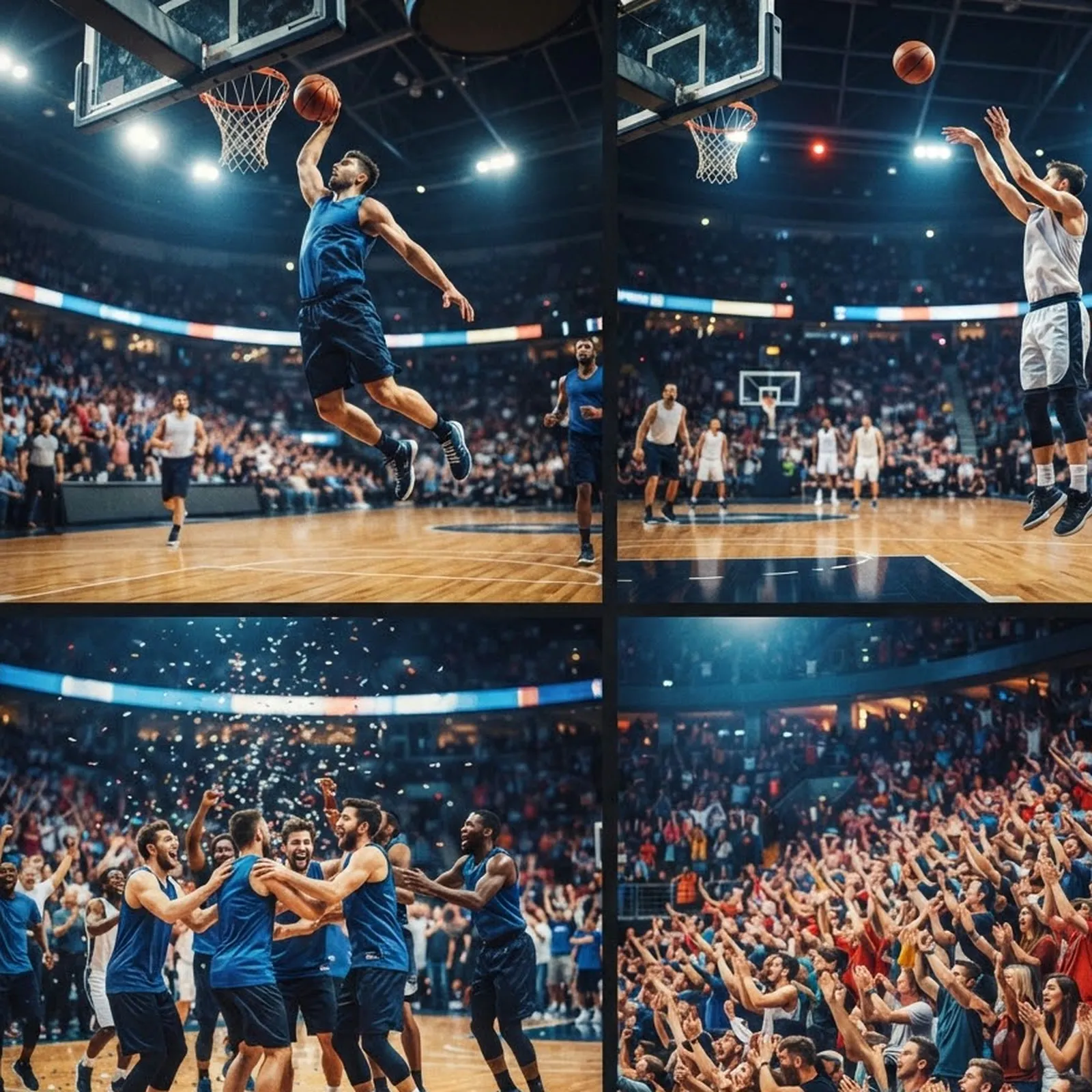
Vasilije Micic enters the 2026/27 season as the best paid basketball player in the EuroLeague - around 5.6 million euros net per year at Hapoel Tel Aviv. And that is not the whole figure: his 2025 contract also includes bonuses, plus a stake in the club. Behind him come two players from Panathinaikos - Nigel Hayes-Davis on around 5 million and Kendrick Nunn on around 4.3 million. Two years ago only three players in the EuroLeague earned over 3 million a season; now that number is almost three times higher. The net income of Europe's top ten is already approaching what an average NBA player takes home, because American contracts are published gross and almost half goes on tax. European basketball has money. The question is whether it has an audience following that money into the arenas.
At the annual press conference following the NBA Board of Governors meeting, commissioner Adam Silver confirmed that negotiations with the EuroLeague are under way and that there is progress. The wording is careful but clear: "It does not have to happen, but we will all be in a better position with a united front in Europe". Silver called the NBA Europe project a historic opportunity - a combination of new and existing clubs in a competition on the American model - and announced further statements in the coming weeks. The Balkans have something to lose and something to gain here. Red Star and Partizan fill arenas that Western Europe can only dream of, but they do not have the budgets of franchises with American owners. When the new border of European basketball is drawn, who will be left on the inside?
Asked which atmosphere had been the most frightening of his career, Luka Doncic first mentioned Red Star - but with a caveat: "They loved me there, so it was not frightening for me". Then came the real answer - Panathinaikos. In the first game of the 2018 quarter-finals, the Athenians opened 20:0 and beat Real Madrid 95:67 in front of more than 18,000 spectators. Doncic finished with 10 points, but Real won the next three games for a 3:1 series win and eventually took the EuroLeague title. Asked which arena hated him most, the answer was short: "Barcelona. Rivals". In the same conversation he mentioned his own basket in Belgrade on 30 March 2018 - at 79:79 he shook off Ognjen Dobric and hit a long three 0.9 seconds before the end for 82:79. Doncic plays in Los Angeles now, but his memory stayed in these halls.
Bitola hosted the first "Zoran Petkovski - Petkoto" memorial tournament, dedicated to the recently deceased player whose home club was Pelister. The hosts lost to Kumanovo 61:80 - it was level at 45:45 at half-time, after which Kumanovo settled the game. In the second semi-final TFT beat MZT Skopje 85:73. So Kumanovo and TFT go to the final, while Pelister and MZT play for third place. At the opening ceremony, KK Pelister said: "Eternal memory and a heavy heart for our captain". Two clubs considered pillars of Macedonian basketball for years are tonight playing for third place at a four-team tournament. That is the situation, with no embellishment.
The region thought it would bring Nikola Mirotic back - and once again it did not. Instead of Buducnost, the experienced power forward signed for Valencia, one of the participants at the last Final Four, and returns to Spain where he spent most of his career. The story repeats in a loop: a Balkan club announces a big return, the media treat it as a done deal, and then a Spanish or Greek club puts the figure on the table and the conversation ends. That is not a failure of the negotiators - it is the difference in budgets, the same difference we see in the salary story above. As long as that gap exists, regional clubs will produce players and others will pay them.
The latest 10 news from this category

TJ Shorts is the EuroLeague's MVP for October, and Teodor Simić made his US debut with 16 points. In Belgrade,...

45 points, 15 rebounds and five steals - Dončić answered his critics with a stat line the NBA had never...
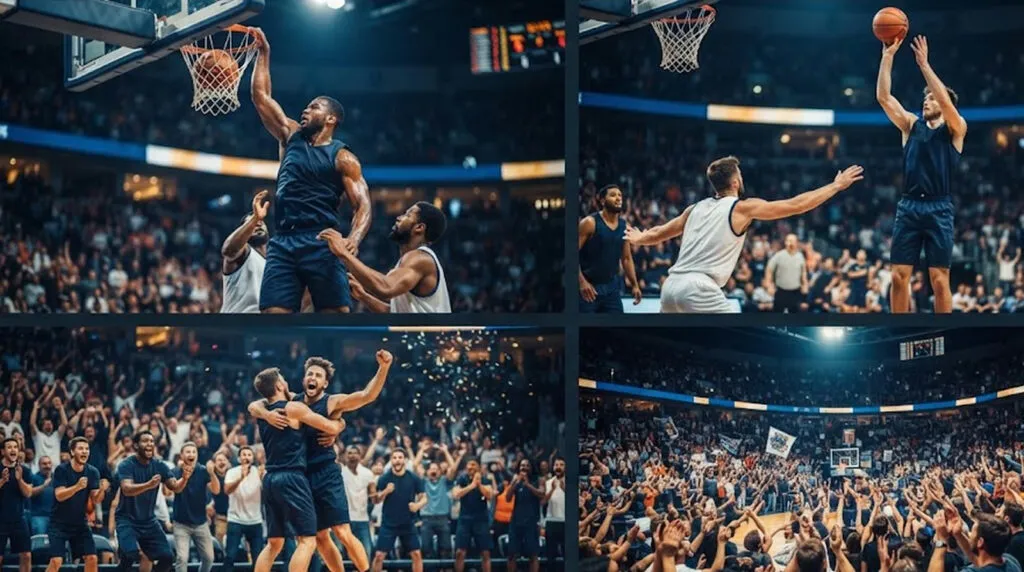
Dončić did something the NBA had never seen. Oklahoma, meanwhile, declined the option on Nikola Topić after two years full...
Dončić had a historic quarter and still ended up on the floor after a Curry dribble. At home, Štip finally...

The champions fell in their coach's home town and lost him within a day. The EuroLeague, meanwhile, has a message...

The champions fell in Strumica after a 23-15 final quarter, and in Belgrade a centre who had no European club...

The Serb reached the mark 361 games faster than Westbrook; the Slovenian leads the scoring list but already has to...
The NBA loses one of the hottest scorers of the young season, Zvezda and Panathinaikos are flying in the EuroLeague,...
The 2025 champions watched their All-Star leave on a stretcher, Miami signed the summer's biggest star and are still waiting...
The Lakers are 3-0 with a Slovenian breaking club records, Oklahoma lose Jalen Williams on a stretcher, and in Greece...
This site uses cookies - is that okay? Learn more
Be the first to know when Metla launches something new
Leave your email and we'll write to you when there's a new guide or something new on Metla.