
Црн чад над Скопје: гореше магацин за бои и лакови во кругот на „Железара“
23.09.2026



23.09.2026

23.09.2026

23.09.2026

23.09.2026

22.09.2026

21.09.2026

23.09.2026

23.09.2026

22.09.2026
23.09.2026
23.09.2026

23.09.2026

23.09.2026

22.09.2026

21.09.2026

23.09.2026

23.09.2026

23.09.2026

23.09.2026

23.09.2026

23.09.2026

09.03.2026

27.02.2026

19.02.2026

23.09.2026

22.09.2026

21.09.2026

23.04.2026

23.04.2026

12.04.2026

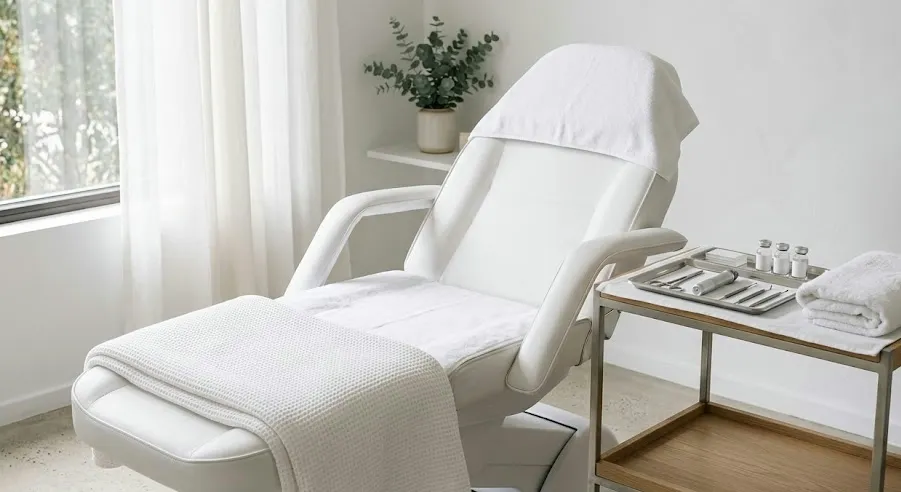
Non-invasive face rejuvenation treatments aren't just for wealthy women in their sixties. According to Spanish research, 46% of the Spanish population has had some kind of aesthetic treatment - and demand for non-invasive face lifting has grown 40 to 70 percent in the last five years.
What's interesting is who is asking for it. The age group has widened downwards - there are now patients in their early thirties looking for preventive treatments. Women over 60 still go for surgical solutions for the strongest effect, but the middle segment wants to avoid the scalpel for as long as possible.
"Demand for non-invasive lifting treatments has risen 40-70% in the last five years," says Rita Sego, aesthetic doctor. "Patients are now looking for natural, progressive, preventive results without surgery or long recovery," adds Ana Revuelta, aesthetic doctor.
What do modern clinics actually offer? Four main technologies:
HIFU (high-intensity focused ultrasound) - brand names like Ultherapy, Liftera V, Ultraformer MPT. Stimulates collagen production in the deep layers of the skin. No cut, results visible over a few months.
Thermage FLX - monopolar radio-frequency for tightening. One of the longest-running non-invasive technologies on the market.
SylfirmX and Morpheus8 - radio-frequency combined with micro-needles. More aggressive but also more effective on specific areas.
Endolift laser - minimally invasive sub-dermal laser treatment. On the line between non-invasive and surgical - but without stitches.
The price? From 400 to 2,000 euros per session, depending on the technology and the area. That makes face prevention now just as much of an "investment" as a winter holiday - and exactly that far from what our grandmothers would have done.
The question the industry won't answer openly: does a 30-year-old need to start with "preventive" lifting? Dermatologically, the effect of a single HIFU treatment at 32 isn't statistically significant at 50. Psychologically, the habit of solving problems before they exist is what the industry is quietly selling. That doesn't mean the technology doesn't work - it means you need to know exactly what you're buying.
The latest 10 news from this category
Костимографијата беше правена под притисок на рокови и буџет, а педесет години подоцна се препродава како модна референца. Ефектот го...
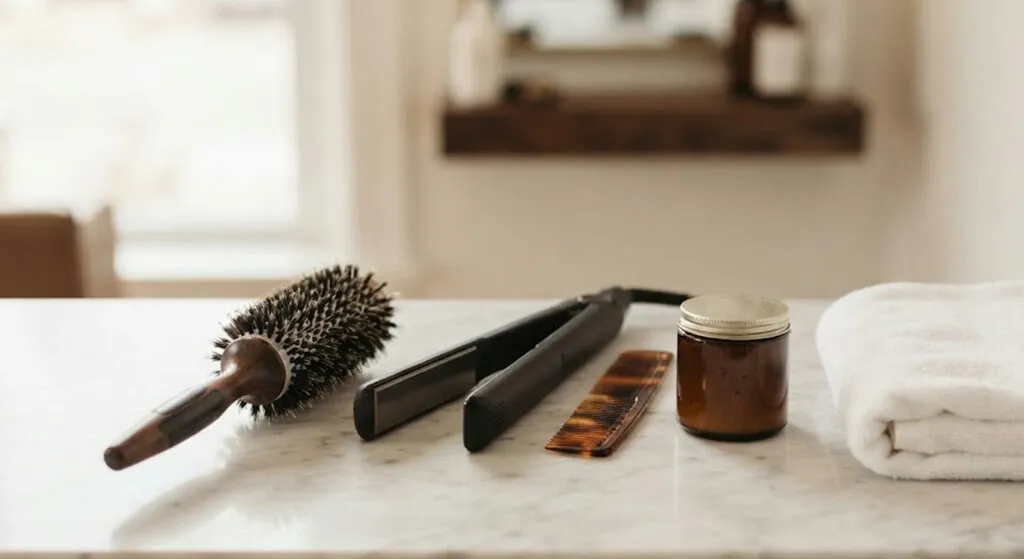
Работи на секоја должина и секој тип коса, а по четириесеттата ги омекнува линиите на челото. Алтернатива за цена на...

Кај нас венчавката и прославата се две облеки и два трошока. Конвертибилен крој значи еден фустан - а советот на...
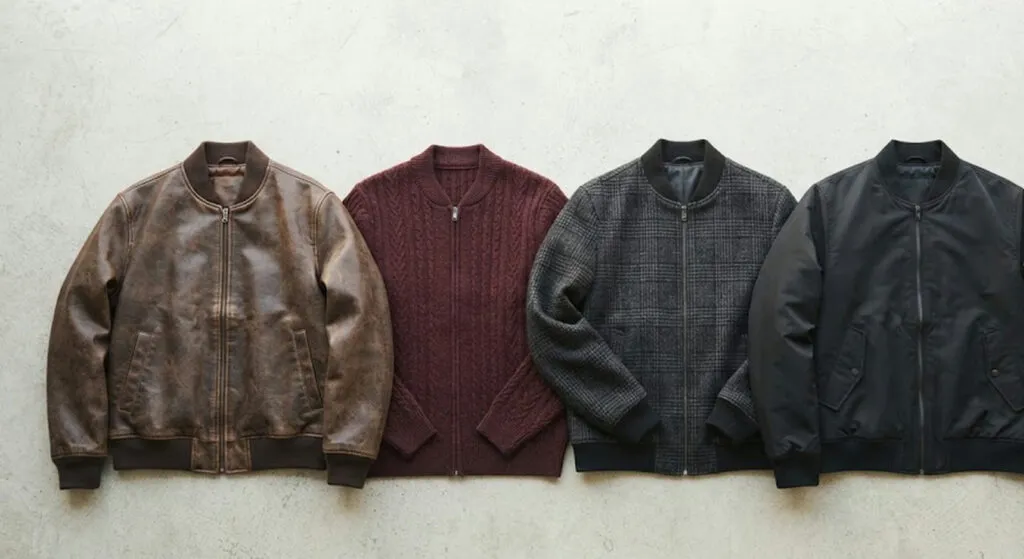
Here, half a wardrobe is bought by calculating how many years it will last. The brown leather one will look...
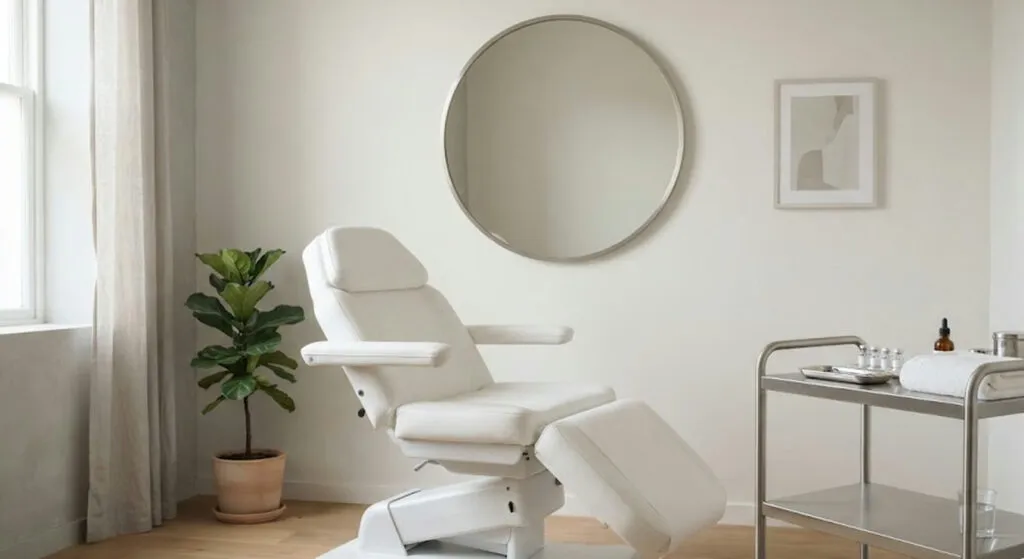
A decade in which aesthetic medicine sold transformation ends with one sentence: they want to look better, not different.

The catering was run by an uncle, the music was played by an uncle. If that sounds familiar, you have...

Three days in a lab coat with colorimetry scientists to produce a collection in lime and tangerine. The design director...
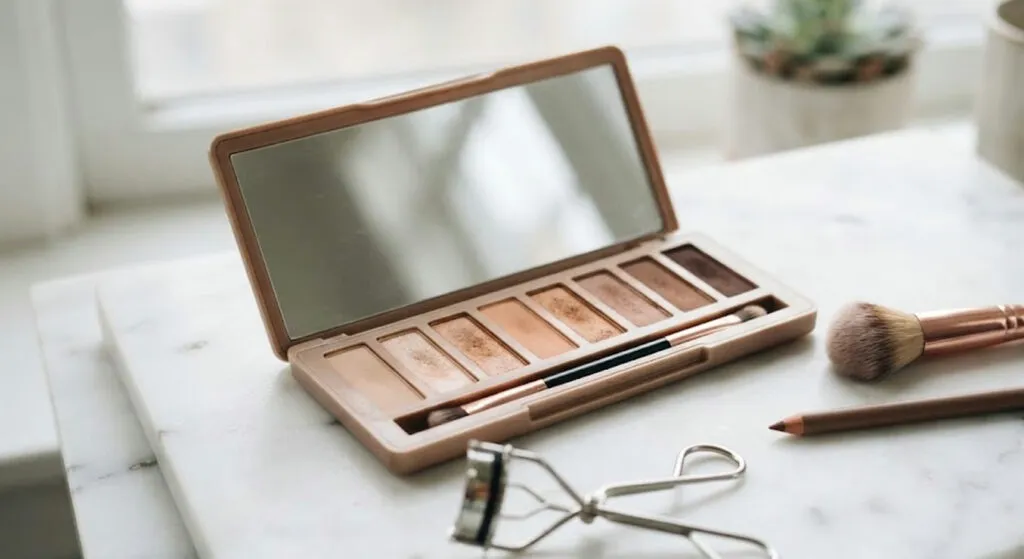
Cream concealer instead of powder, a brown pencil instead of black eyeliner, and a curler before the mascara. Not one...

A boat-neck gown and wildflowers that deliberately refuse to compete with the jewellery. A fourth generation under the same diadem,...
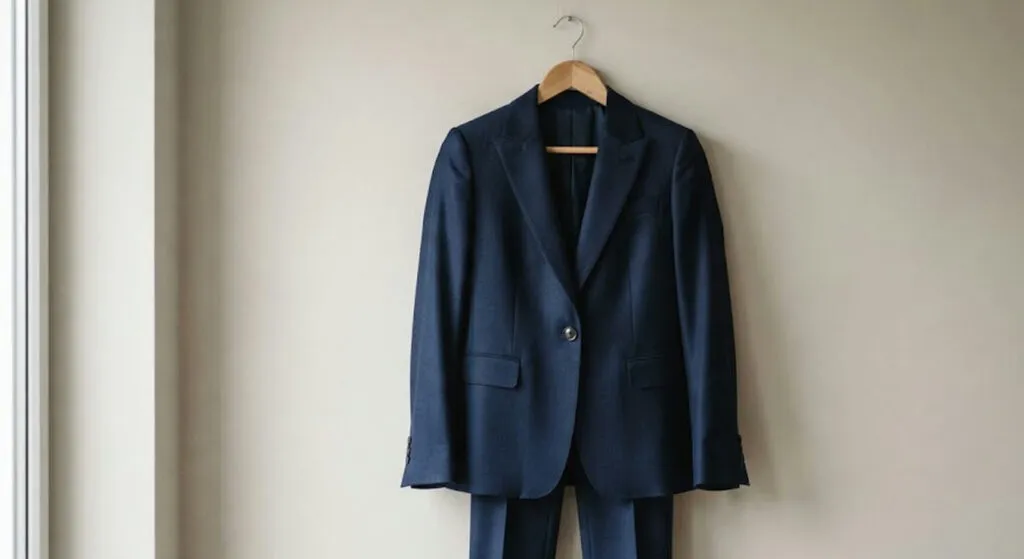
A communications expert says the trouser suit sidesteps sexist readings of hemlines and necklines. The same expert warns that the...
This site uses cookies - is that okay? Learn more
Be the first to know when Metla launches something new
Leave your email and we will write when there is a new guide or something new on Metla.