


Studeničani: 35-year-old dies after being electrocuted while washing his car with a pressure washer
18.09.2026


18.09.2026

18.09.2026

18.09.2026

18.09.2026
18.09.2026
18.09.2026
18.09.2026
17.09.2026
16.09.2026
18.09.2026

18.09.2026
17.09.2026

18.09.2026
18.09.2026

18.09.2026
18.09.2026
17.09.2026
16.09.2026

18.09.2026

18.09.2026
18.09.2026

18.09.2026
17.09.2026

17.09.2026

09.03.2026

27.02.2026

19.02.2026
18.09.2026
17.09.2026
16.09.2026

23.04.2026

23.04.2026

12.04.2026

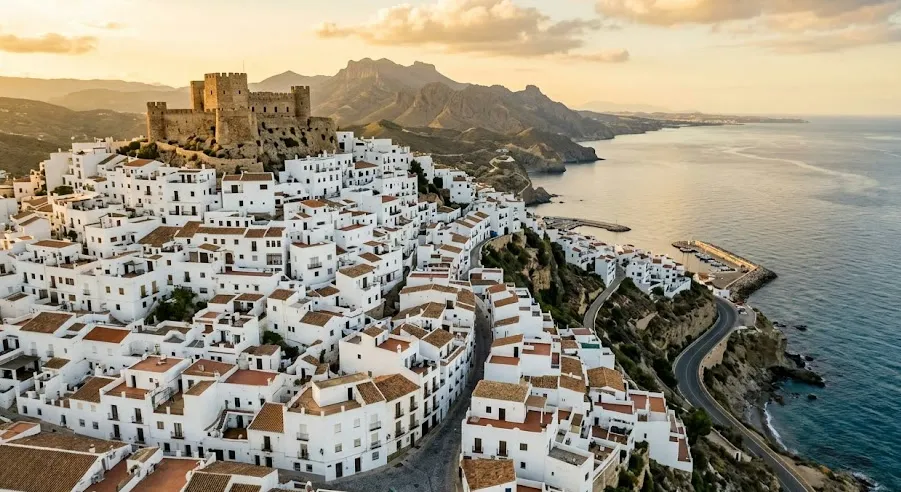
There are Spanish towns that are beautiful, and there is one that is beautiful in a different way. Salobreña, in the province of Granada, sits on a rocky headland where the Mediterranean and the Sierra Nevada almost touch. A white town, packed houses, a fortress on top - and a story bigger than the town.
The fortress dates from the 10th century, but its present form is the result of several centuries of remodelling. It sits 73 metres above the sea. It has four towers in the inner ring and two additional defensive belts built in the 15th century. "Torre Vieja" - 16 metres high, with a square base - was the palace's main hall. From the walls you can read how the last Nasrids (the dynasty that ruled before the Reconquista) lived in their final years before 1489.
What makes Salobreña special is that it was not only a residence, but also a favoured prison of the Nasrids. Their rival emirs and sultans were locked up there. One of them - Yusuf III - when his execution order came, asked to finish a chess game with the commander of the fortress. While he played, news arrived that the king had died and his brother crowned Yusuf himself as the heir to the throne. He saved his life by playing chess.
Muley Hacén, the second-to-last sultan of Granada and father of Boabdil, is said to have died gazing at the peaks of the Sierra Nevada, and asked to be buried there. Today the highest peak on the Iberian Peninsula bears his name.
In 1489, the Catholic Monarchs conquered it. In the late 18th century, marine erosion made it militarily useless and it was abandoned. In 1959, the municipality bought it for restoration - and since then, every intervention reveals something new. They recently uncovered a Nasrid mansion inside the palace with preserved floors and a Roman heating system. The sultans had a standard today's hotels struggle to match.
Below the fortress, a medina (old quarter) of streets that lead nowhere except where they need to. White houses under the Andalusian sun, small squares with fountains, windows looking out to the sea. La Bóveda, a medieval vaulted passage, connects two parts of the town. Iglesia de Nuestra Señora del Rosario is a 16th-century church built on a former mosque. The viewpoint Mirador de Enrique Morente, dedicated to the great Granada cantor of flamenco, looks out over the Mediterranean.
Around the town, the "Ruta de la Chirimoya" passes through subtropical farmland where mango, avocado, cherimoya and guava grow. Proof that the past is also what you eat today. The old sugar factories from 1861 still stand - now classified as ethnographic heritage.
Charca and La Guardia beaches are for families. The rocky parts - for kayaking and snorkelling, with underwater meadows of posidonia. Washington Irving mentioned the fortress in his 1832 "Tales of the Alhambra," with the legend of the three princesses locked there by their father Muhammad IX, who watched the Christian knights pass with ships along the coast.
Not every village in Spain has so many layers. Salobreña has them, and doesn't try to explain them all at once. That's Spain on its best days - letting you discover for yourself what others would push at you.
The latest 10 news from this category
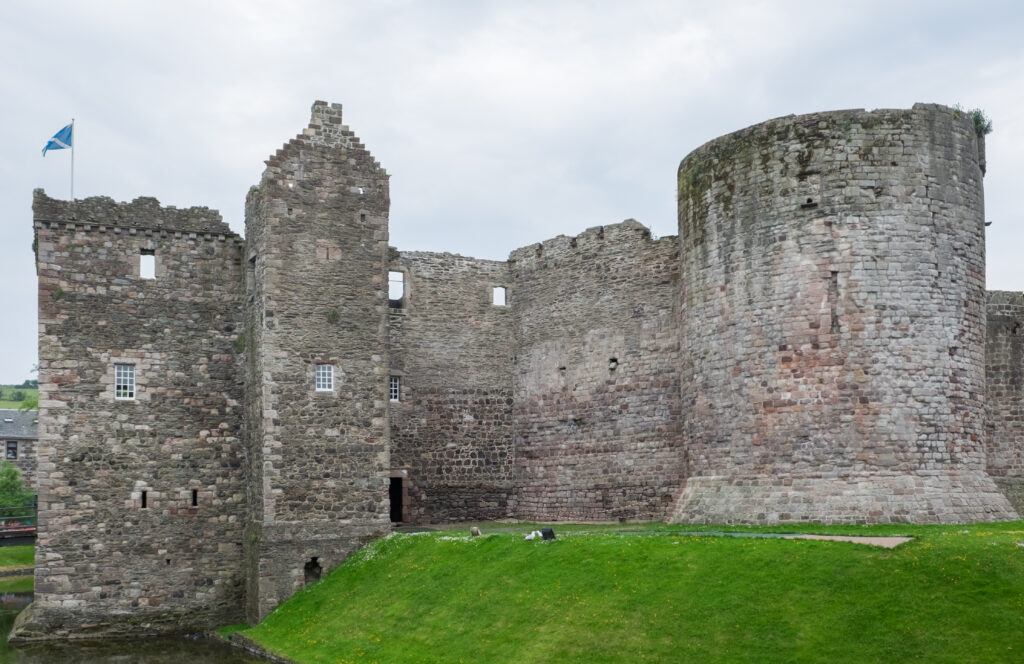
The royal couple walked yesterday into a pub the village bought back for itself. How many buildings like that sit...

Of twenty-five new inscriptions, five are natural - and only one is in Europe. For the richest of them, the...
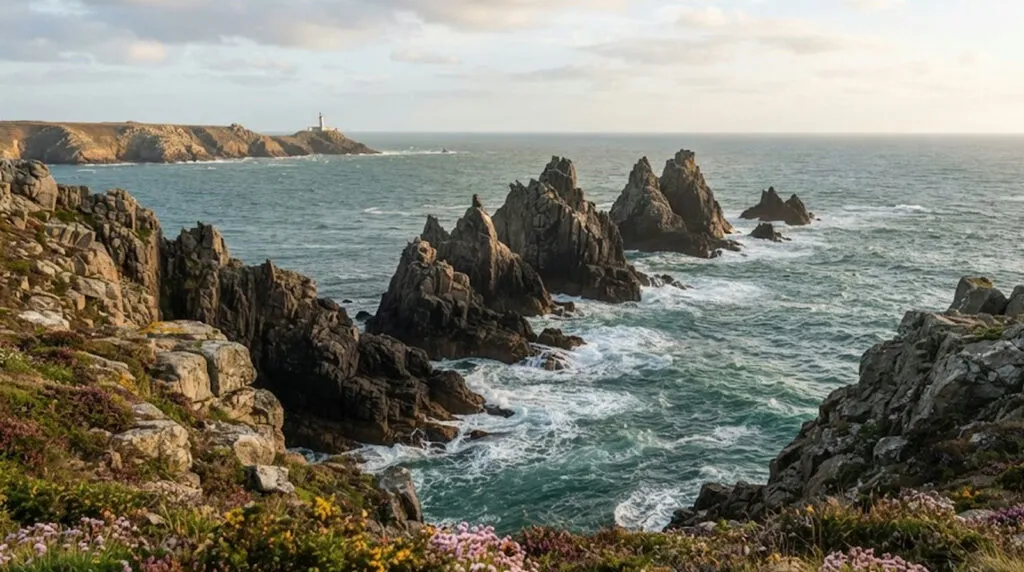
Fifty beaches, more than 120 villages and a trail France voted its favourite. Monet came for a few days and...
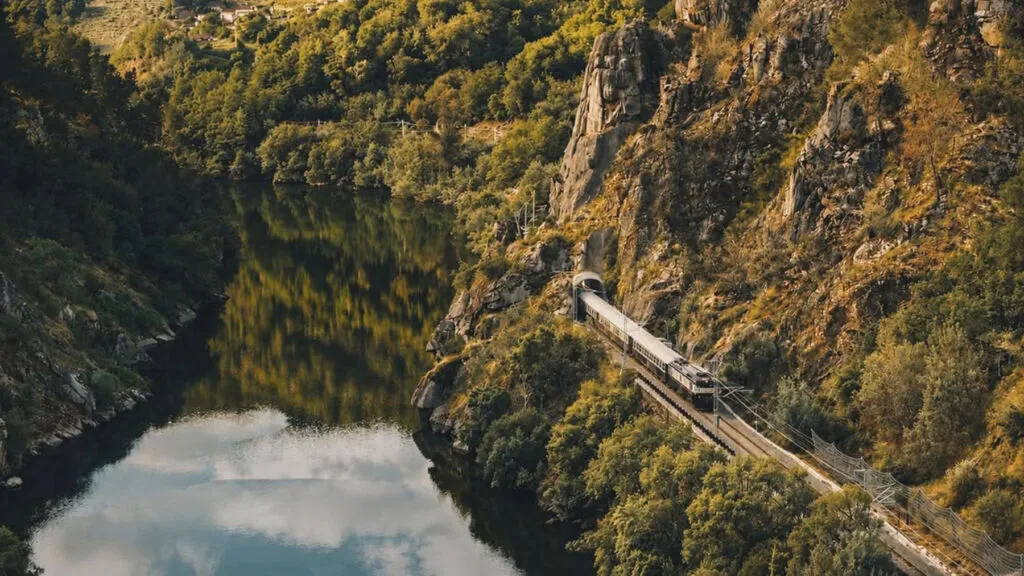
Restored carriages, a locomotive they call the Japanese Woman and a 28.95 euro return ticket. What it sells is not...
Two hundred and fifty tree species from every corner of the world, a monastery from 1628 and a palace that...
The same places cost more in August, look crowded and are experienced at half strength. The difference is made by...
The Beckhams have a place there, so do Kate Moss and Ellen DeGeneres. But the Cotswolds needs none of those...

Down on the coast the buses pass each other with centimetres to spare and all you see is people. Up...
Empty warehouses, low rents and one real estate developer. A model we know without flying to Florida.
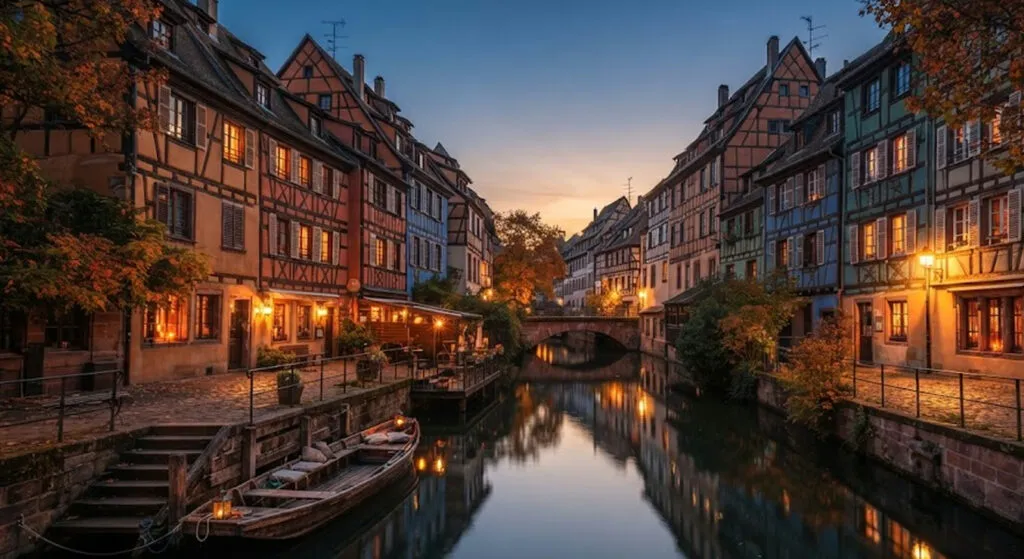
Old tanners' and dyers' workshops, built directly over the river. From 10 to 13 September the town puts boats and...
This site uses cookies - is that okay? Learn more
Be the first to know when Metla launches something new
Leave your email and we will write when there is a new guide or something new on Metla.
