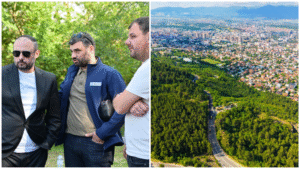
Full Reconstruction of the Road to Sredno Vodno - Asphalt, Drainage, Crash Barriers - But the Question Is Whether It Will Be Finished Before Summer Ends
22.05.2026


22.05.2026
22.05.2026
22.05.2026
22.05.2026
22.05.2026

22.05.2026

22.05.2026

21.05.2026
20.05.2026

22.05.2026

22.05.2026

21.05.2026

22.05.2026

22.05.2026

22.05.2026

22.05.2026

21.05.2026

20.05.2026

22.05.2026

22.05.2026

22.05.2026

09.03.2026

27.02.2026

19.02.2026

14.04.2026

07.11.2025
07.11.2025

23.04.2026

23.04.2026

12.04.2026

22.05.2026

17.05.2026
08.05.2026


The world economy is facing one of its weakest years this century, the pandemic and the 2008 crisis aside. That's the warning from UN and European Commission economists. Global GDP growth for 2026 - 2.5%, below the previous projection of 2.7%. Under the worst scenario - possibly 2.1%.
For Europe the situation is especially bleak. The European Commission cut its EU growth forecast from 1.4% to 1.1%. For the eurozone - even lower, 0.9%. Which means the economy is effectively standing still, with the kind of forward motion that fits inside the statistical error bar.
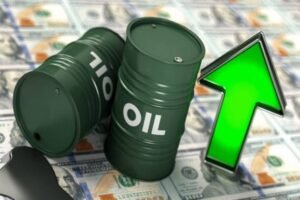
What's driving it? Energy prices. The old 2022 lesson is being re-read - Europe is too dependent on energy imports. Now, with the crisis around Hormuz and Middle East tensions, oil prices are back above 100 dollars a barrel. Which means more expensive petrol, more expensive electricity, more expensive food - and less money in household budgets.
Shantanu Mukherjee, director of economic analysis at the UN division: "We are not close to recession." That's a political statement. Translation: "technically we're not in recession, but plenty of people will live as if we were." Global inflation is now projected at 3.9% - 0.8 percentage points above the previous forecast.
Concretely for European consumers: confidence has fallen to its lowest level in 40 months. Households expect bigger heating and fuel bills in the autumn. Companies face weaker demand and higher financing costs. Italian Prime Minister Giorgia Meloni is asking Brussels to loosen fiscal rules to help families and industry.
For the Balkans, this means two things. First - exports to the EU will shrink, which directly hits Macedonian and Serbian exporters. Second - the Balkans are energy-dependent on the same markets that are getting expensive. When Europe coughs, the Balkans catch cold - and this time, it's not a metaphor. It's the economic model.
The US remains "relatively resilient" with 2% growth. China - 4.6%, India - 6.4%. The world increasingly splits into "those who grow" and "those who hold on" - and Europe, for all its wealth, is now in the second group. The question economists won't answer in the open: is this cyclical, or structural?
The latest 10 news from this category
62 of 108 public healthcare institutions have active lawsuits. The system pays a base salary that isn't enough, then compensates...
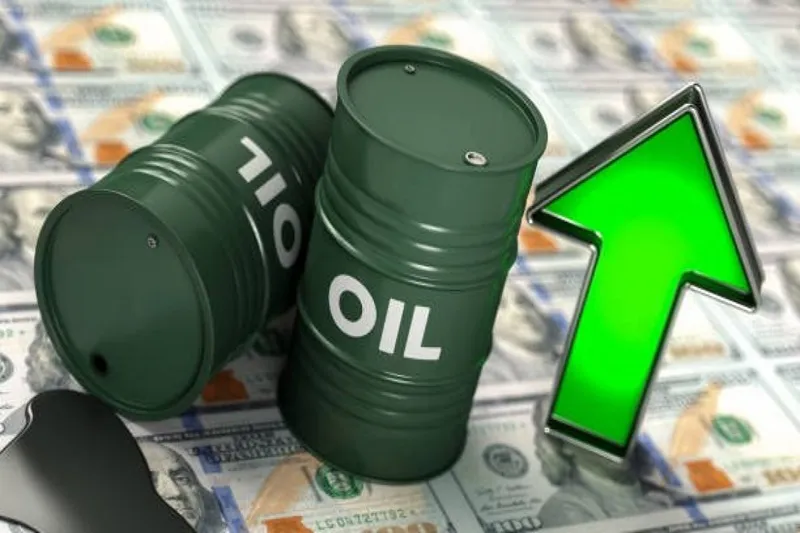
For European consumers this means expensive fuel and pricier electricity bills. Even an eventual US-Iran deal won't bring prices straight...
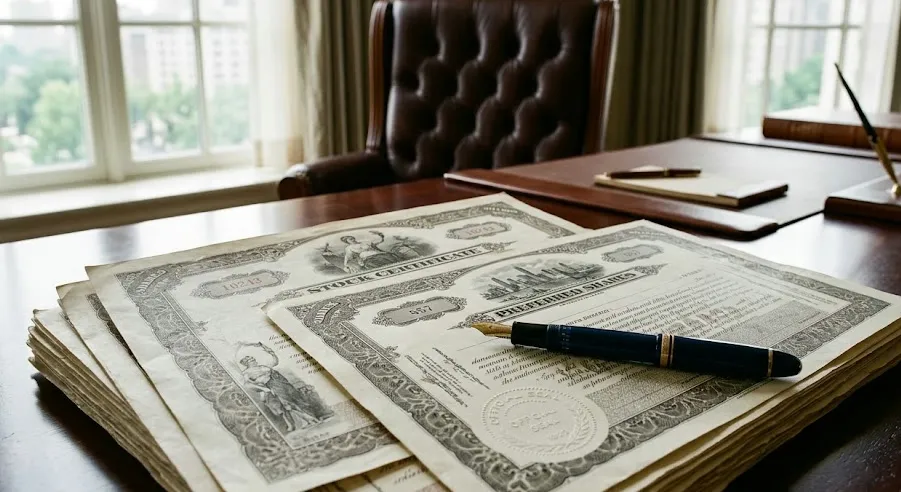
6.42 billion shares for one man, with 10 votes per Class B share. After going public, Musk will have even...
For the first time, major labels publicly enter the AI music business - on terms they dictate themselves. Suno and...
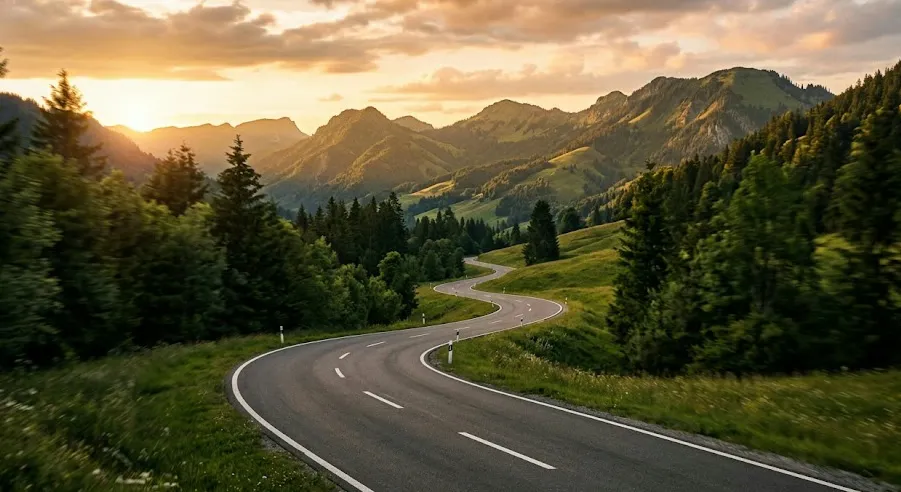
Ten holiday cottages in the village of Oreoak are blocking access to a quarry and could cost the state 100...
Total lending pack: 9.36 billion euros. Deposits down month-on-month, up 9.3 percent year-on-year. Housing loans - 16.2 percent growth. Credit...
21 reform steps submitted, 16 rated positively, three finished ahead of schedule. Education and digitalisation opened the doors. Half goes...
Lithuania has become the second European country to approve Tesla FSD, after the Netherlands last month. The expansion is directly...
A British biotech startup out of Manchester has raised 5 million pounds (about 5.9 million euros) for an approach that...
SpaceX's IPO filing reveals for the first time how much Musk's AI company is losing. The annual loss is almost...