

Kratovo man stabs police officer mid-intervention: prosecutors want the 40-year-old detained
15.09.2026


15.09.2026

15.09.2026

15.09.2026

15.09.2026

15.09.2026

15.09.2026

15.09.2026

14.09.2026

13.09.2026

15.09.2026

15.09.2026

14.09.2026

15.09.2026

15.09.2026

15.09.2026

15.09.2026

14.09.2026

13.09.2026

15.09.2026

15.09.2026

15.09.2026

15.09.2026

15.09.2026

14.09.2026

09.03.2026

27.02.2026

19.02.2026

15.09.2026

14.09.2026

14.09.2026

23.04.2026

23.04.2026

12.04.2026

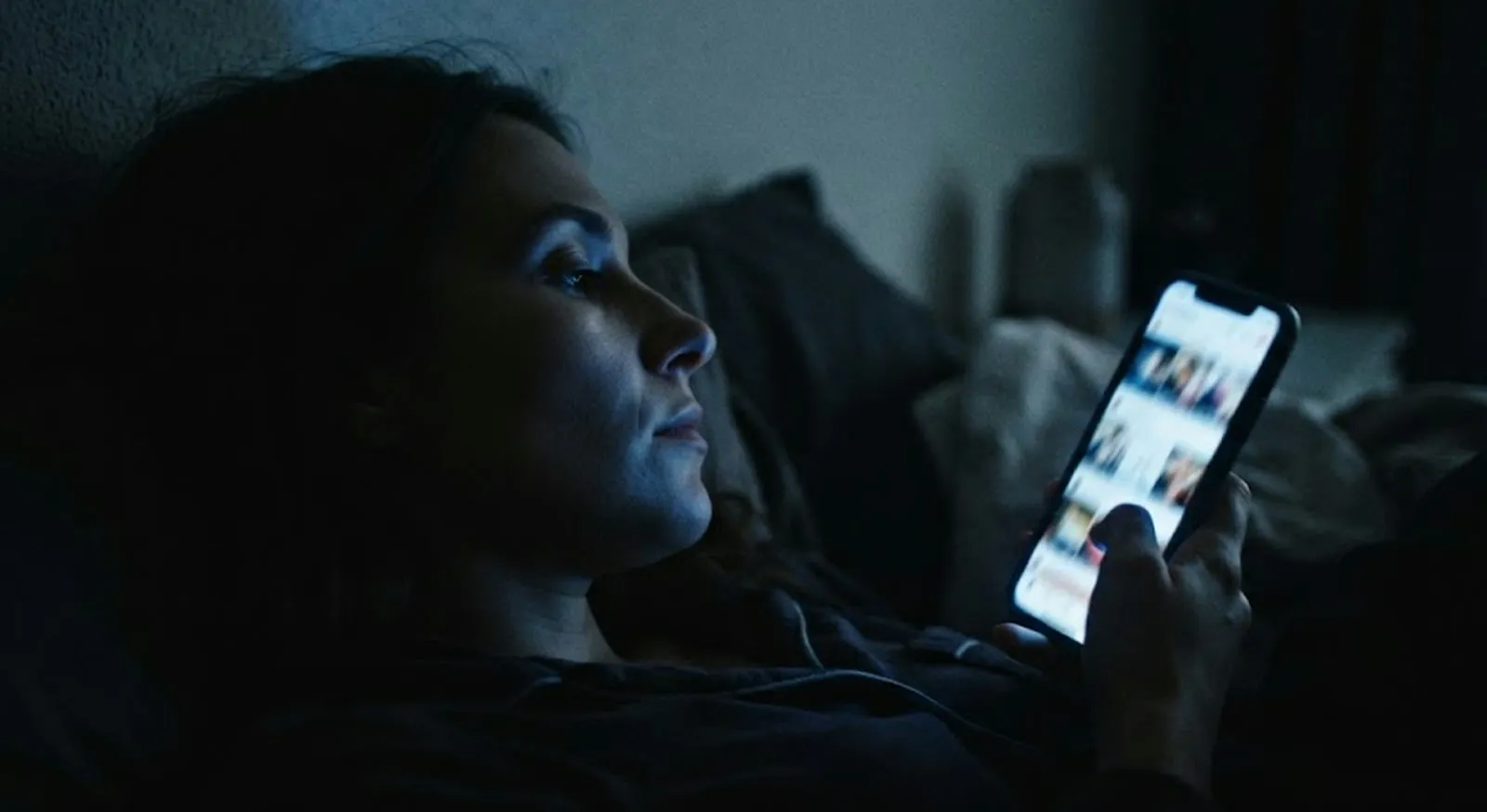
The European Commission has given Meta an ultimatum: either redesign the features that make Facebook and Instagram addictive, or pay a fine. For the first time a regulator officially names what every user feels every day - infinite scrolling isn't accidental, it's designed.
According to the Commission, Meta breaches the European Digital Services Act (DSA) through features like infinite scrolling, autoplaying video, push notifications and highly personalised recommendation algorithms. These, it says, feed the user's urge to keep scrolling and switch the brain into "autopilot mode" - a state that leads to unhealthy habits and compulsive use.
The heaviest accusation concerns children. The Commission claims Meta ignored evidence of how much time minors spend on Instagram and Facebook late at night, and how features like Reels and Stories encourage excessive use. The time-management tools, even those switched on by default for teenagers, are easily dismissed and bring no real reduction in usage, the regulator concludes.
This isn't an abstract fight in Brussels. Children in Skopje, Tetovo and Bitola open those same features every evening, on those same apps. The difference is that the EU has a law and fines with which it can apply pressure, while our region watches from the sidelines as someone else defends its users. Does anyone here even pose the same dilemma - or do we wait for Brussels to solve it for us?
Meta must now disable the key addictive features or face a fine that under the DSA can reach a percentage of global revenue. The company has several times called such decisions exaggerated. But this time the question isn't whether the features are addictive - the regulator already asserts that - but how long Meta can play for delay before the fine becomes more expensive than the change itself.
The latest 10 news from this category

A scientist at the same company puts the probability of human extinction above 10 percent within the next decade. The...

The president called in while the event was running, and the man who makes the chips answered that there would...

No virus attached, no suspicious file. Just a box that looks like the "I am not a robot" check and...

A researcher quit because the firms are gambling with our lives. Instead of denying it, Anthropic confirmed it - with...

Write a sentence, get a game. Until now it worked only in New Zealand, now in Belgrade too. Creators on...

When the two biggest firms in an industry ask for rules on how fast anyone may run, the rules rarely...

Not a single password fell. What fell was the assumption that a request from a government domain is automatically a...

The biggest names in mathematics have signed a letter against the AI labs. The dispute is not whether the machine...

Five campaigns, 200 million exchanges, and the defences fell to a request for a Japanese translation. The industry that harvested...

The hackers were inside for a whole year. The company confirmed it only after a journalist found his own licence...
This site uses cookies - is that okay? Learn more
Be the first to know when Metla launches something new
Leave your email and we will write when there is a new guide or something new on Metla.
