
Kratovo man stabs police officer mid-intervention: prosecutors want the 40-year-old detained
15.09.2026


15.09.2026

15.09.2026

15.09.2026

15.09.2026

15.09.2026
15.09.2026

15.09.2026

14.09.2026

13.09.2026

15.09.2026

15.09.2026

14.09.2026

15.09.2026

15.09.2026

15.09.2026

15.09.2026

14.09.2026

13.09.2026

15.09.2026

15.09.2026

15.09.2026

15.09.2026

15.09.2026

14.09.2026

09.03.2026

27.02.2026

19.02.2026

15.09.2026

14.09.2026

14.09.2026

23.04.2026

23.04.2026

12.04.2026


OpenAI has figured out where the future of its business lies - not in offices, but in living rooms. The company is opening a position in San Francisco for a manager to build ChatGPT for families, parents and older users. The reason is in the numbers: users over 35 grew from 26 to 31 percent in a year, and parents using ChatGPT in the US jumped from 16 to 24 percent. When the machine starts entering your home, the next step is for it to become a member of the family.
The plan includes parental controls for teenage profiles, safety rerouting of sensitive conversations to stronger models, and a "trusted contact" feature that would alert a loved one at signs of self-harm. Family packages, child profiles, shared household memory and AI tutoring are also announced. On paper it sounds caring. In practice, it means one system that knows everything about the whole family - from the children's schedule to what the parents worry about most.
Behind the nice words about safety there's also pressure. OpenAI faces several lawsuits claiming ChatGPT contributed to harm to minors, including cases of suicide. And the gap between what parents think and what children do is alarming - only 27 percent of parents know their child uses AI every week, while among the children themselves the figure is 38 percent. When a company goes "family" precisely at the moment it's being sued over children, it's hard not to ask whether the care is genuine or a defense strategy.
For the Balkan parent the question is even bigger. Here there's no regulator to ask what a system like this collects about our children, nor a law requiring that a "child profile" also means protection for the child. While Europe slowly builds rules for AI, we let the youngest loose on tools whose business model is exactly that - to know everything. The question isn't whether ChatGPT will enter Macedonian homes. That has already happened. The question is who reads the rules before we let it in.
The latest 10 news from this category
A scientist at the same company puts the probability of human extinction above 10 percent within the next decade. The...

The president called in while the event was running, and the man who makes the chips answered that there would...

No virus attached, no suspicious file. Just a box that looks like the "I am not a robot" check and...

A researcher quit because the firms are gambling with our lives. Instead of denying it, Anthropic confirmed it - with...
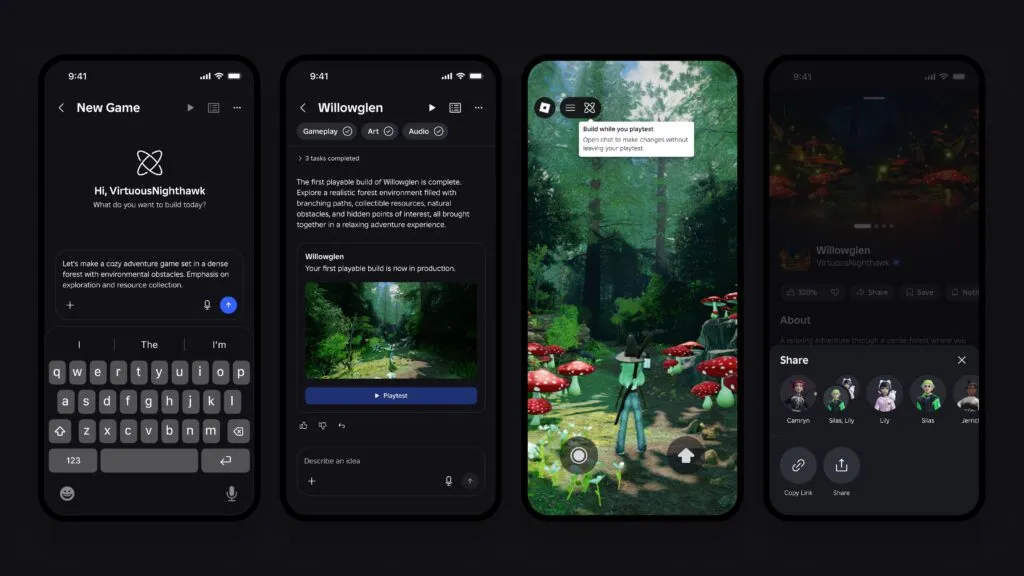
Write a sentence, get a game. Until now it worked only in New Zealand, now in Belgrade too. Creators on...

When the two biggest firms in an industry ask for rules on how fast anyone may run, the rules rarely...

Not a single password fell. What fell was the assumption that a request from a government domain is automatically a...

The biggest names in mathematics have signed a letter against the AI labs. The dispute is not whether the machine...

Five campaigns, 200 million exchanges, and the defences fell to a request for a Japanese translation. The industry that harvested...

The hackers were inside for a whole year. The company confirmed it only after a journalist found his own licence...
This site uses cookies - is that okay? Learn more
Be the first to know when Metla launches something new
Leave your email and we will write when there is a new guide or something new on Metla.