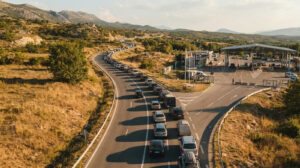
Five Fire Fronts in One Night Near Raec: The Mayor Sounds the Alarm on Facebook, Prevention Is Once Again a Topic for September
03.08.2026


03.08.2026

03.08.2026

03.08.2026

03.08.2026
03.08.2026

03.08.2026
03.08.2026
02.08.2026
02.08.2026
03.08.2026

03.08.2026

02.08.2026

03.08.2026
02.08.2026
01.08.2026

03.08.2026

03.08.2026

03.08.2026

03.08.2026

03.08.2026

03.08.2026

09.03.2026

27.02.2026

19.02.2026
03.08.2026

03.08.2026
02.08.2026

23.04.2026

23.04.2026

12.04.2026

The average retirement age in the European Union will climb by the late 2060s from 64.7 to 66.9 years for men, and from 64 to 66.6 years for women. That is the analysis based on OECD data from 32 countries, published in the "Pensions at a Glance 2025" report.
Increases are planned for men in 21 of the countries analysed, and for women in 24. So this is not the exception - it is the rule.
Denmark to 74
Denmark goes furthest. The projection for the late 2060s is a threshold of 74 years. Estonia goes to 71. Italy, the Netherlands, Sweden and Cyprus to 70.
The biggest single jump belongs to Turkey - from 52 years for men today to 65, a difference of 13 years in one move. Denmark adds seven, Estonia over six, and Italy, Slovakia and Cyprus five or more each.
Today, the highest thresholds are in Denmark, Norway, Iceland and the Netherlands, at 67 years for men.
The number that explains the whole story
One sentence in the report is worth more than all the tables: on average across OECD countries, for every 100 people aged between 20 and 64, the number of people over 65 is projected to rise from 33 in 2025 to 52 in 2050.
In other words - fewer people paying into the fund, more people drawing from it. You don't need an ideology to follow the arithmetic.
The Balkans know this scene, only from the other side. Here, the demographic pressure comes with the added fact that whole generations left, so their contributions now flow into somebody else's funds. Twenty-one European cabinets have already sat down and written the unpopular number on paper. Will anyone here do the same before it becomes urgent - or will we wait for the projection to arrive on its own?
The latest 10 news from this category
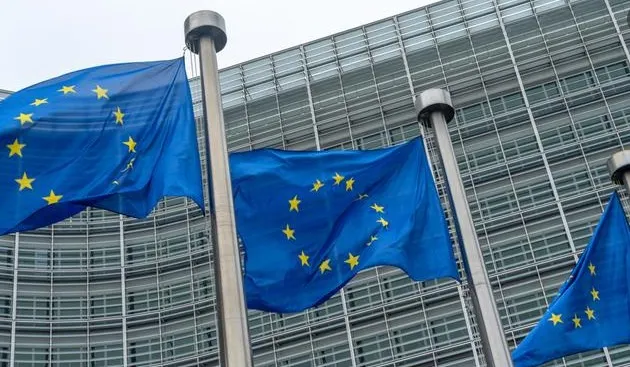
Belgium and Austria - zero. Second-quarter growth was carried by exports, while consumption slowed and investment fell. That is growth...
The operator covering 67 million consumers admitted it does not have power for everyone and decided in advance who gets...

A company whose business rests on people driving their own cars is now building a platform where the human is...

Sales are not falling because people got poorer, but because old phones stopped breaking on schedule. The industry's answer is...
Fewer flats rented out, yet a higher total rent take. Fewer contracts, yet market value up 27.3 percent. The official...
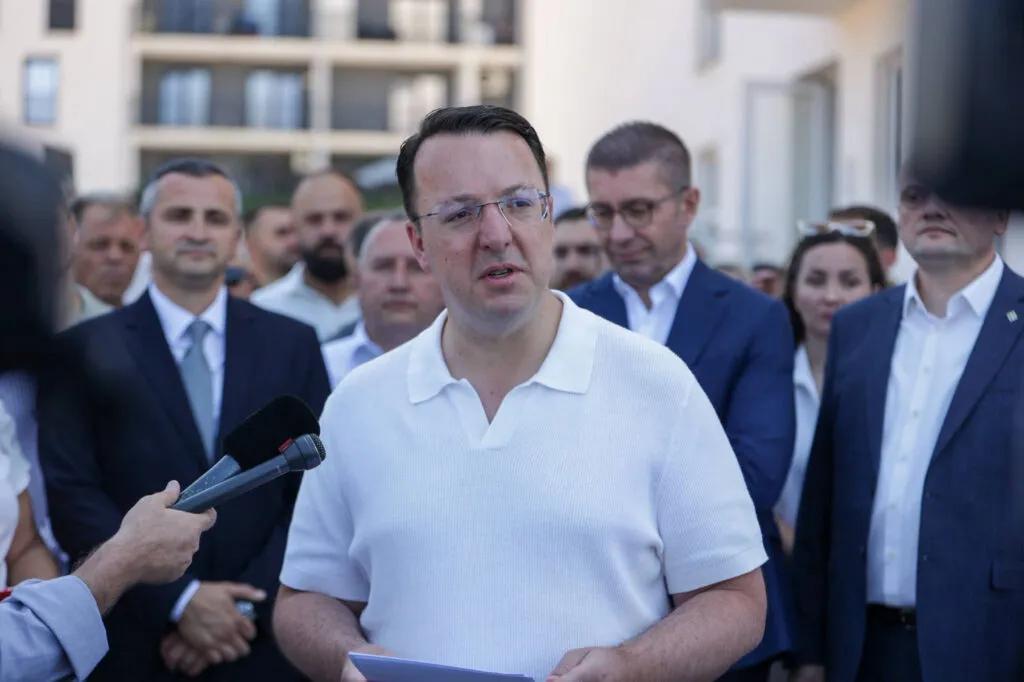
Keys were handed to families from the most vulnerable categories, and the run continues in Veles, Kočani, Strumica and Gevgelija....

Mickoski announced a debt reduction and 6.5 percent industrial growth. The Finance Ministry data confirm the direction - and reveal...
Opus 5 set a record in the test and broke 11 agreements. Not one of the tricks is new -...

There is more money for young founders than ever. Forgiveness for mistakes - none at all, and every wrong step...
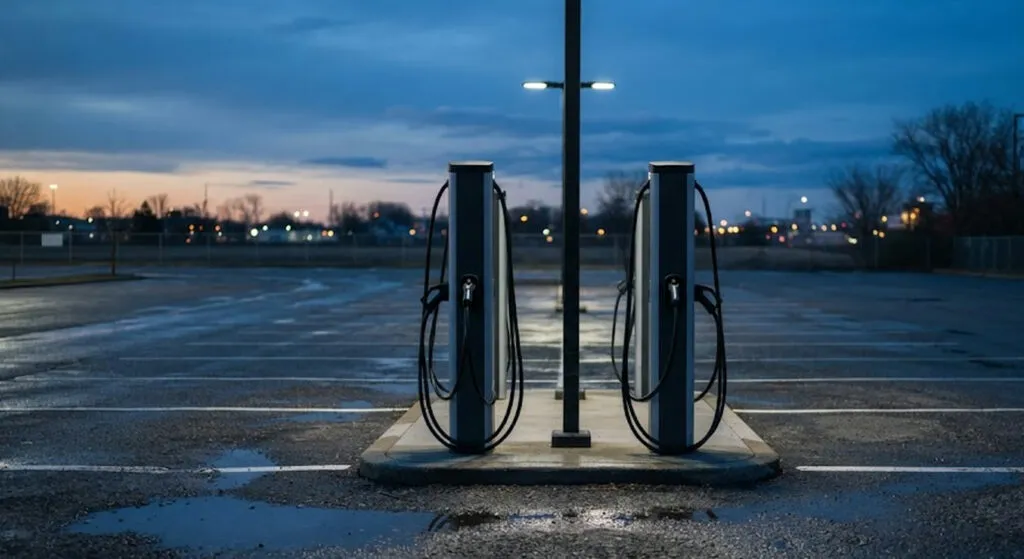
The billions were announced with a stage and slogans. The retreat is happening quietly, in sentences containing the word alignment.
This site uses cookies - is that okay? Learn more
Be the first to know when Metla launches something new
Leave your email and we will write when there is a new guide or something new on Metla.