Ljupcho Has Been Missing Ten Days, and the Family Warned Beforehand: They Got the Referral, the Hospital Said It Was Being Renovated
16.08.2026


16.08.2026
16.08.2026
16.08.2026

16.08.2026
16.08.2026

16.08.2026
16.08.2026

15.08.2026
14.08.2026

16.08.2026

16.08.2026

15.08.2026

16.08.2026

16.08.2026

16.08.2026

16.08.2026
15.08.2026

14.08.2026

16.08.2026

16.08.2026

16.08.2026
16.08.2026

16.08.2026

15.08.2026

09.03.2026

27.02.2026

19.02.2026
15.08.2026
14.08.2026

13.08.2026

23.04.2026

23.04.2026

12.04.2026
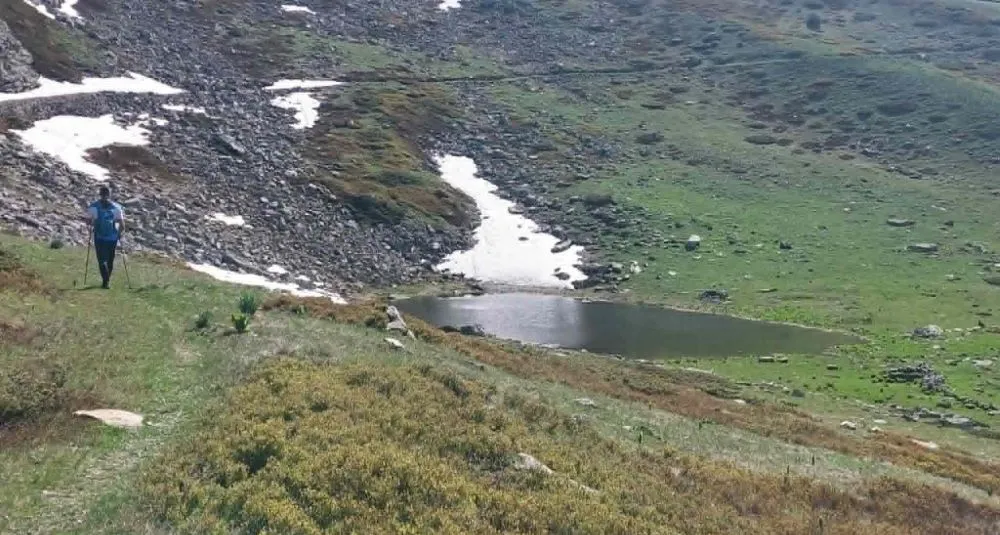
Three hours of walking in the dark, above 2,000 metres, across terrain with no road through it. That is what it took rangers of the Pelister National Park and officers from the Bitola police to reach two armed men who had entered the strict protection zone.
The operation began on 12 August, after 7pm, following intelligence gathered in the field. Two patrols moved independently, from two directions - from the village of Velushina and from the Info Centre. Some time after 11:30pm the armed men were located near the Golema Griva site. From that moment the police took over, and the operation ended at four the next morning with the men taken to a police station. They are believed to be poachers.
The question is not how they caught them. The question is why it was so hard
The park director, Ivancho Toshevski, explained it with a comparison that carries the whole point:
"Why do we have no poachers on the other side of the mountain, at the Begova Cheshma site, near Shiroka? Because there is a road, a flow of people, hikers, and they cannot carry out illegal activities."
So the difference between a part of the mountain poachers do not enter and a part they enter armed - is a road. Not a camera, not a patrol, not a legal penalty. A road.
The road exists. It has existed since the First World War
And that is the part that stings most. Nobody is talking about building a new road through untouched nature. They are talking about the French road, left over from the First World War, connecting Golemo Ezero with the Greek border, with two further branches toward Brajchino in Prespa.
According to every strategic document the park has, that road was meant to be the key artery for fire protection and for the ranger service. Instead it has been left to slowly fall apart.
"Nobody employed at the park remembers when a maintenance crew last went through there," Toshevski says.
Read that sentence as an institutional data point. Not "it wasn't maintained this year". Not "the budget was cut". Not one employee remembers. That is a unit of measurement for neglect that goes into no report anywhere.
What sits out of reach
Toshevski listed the peaks that remain outside any real control: Rzhana, Shkumbirifes, Losh Kamen, Baba, Muza, Orlov Vrv, with the ridge continuing toward Marushica and Golemo Vrvche. He described it as "one enormous natural amphitheatre under strict protection, one of the most valuable parts of the park, with untouched nature, rich in game and biodiversity".
That exact part - the richest in game - is the part rangers cannot reach in under three hours on foot. The poachers evidently know that arithmetic better than the people who write the budgets.
And a drone does not solve it
Anyone about to propose a technological fix from an office should read this: "On a mountain the same rules do not apply as in an urban area, you cannot put up a drone there because there are winds of 60 to 70 kilometres an hour and more, so a road is a necessity," the park says.
Management has launched an initiative to restore the existing road. It will stay a dirt road and be used exclusively for nature protection; with small interventions - thermal cameras for fires, monitoring - the strict protection zone would have oversight for the first time. The park rejects as untrue the accusations that the road is being built for a tourist settlement with villas, pointing out that it passes through an active use zone where such things are permitted under the Law on Nature Protection and the management plan.
Hikers from Bitola have already backed the initiative and said they are ready to help fund it. Assistance is expected from the government.
So: hikers are chipping in for a road in the first national park in the Balkans, so that rangers can reach the wildlife before the people who came to kill it. And this is not a story from the nineties - this is August 2026.
The latest 10 news from this category
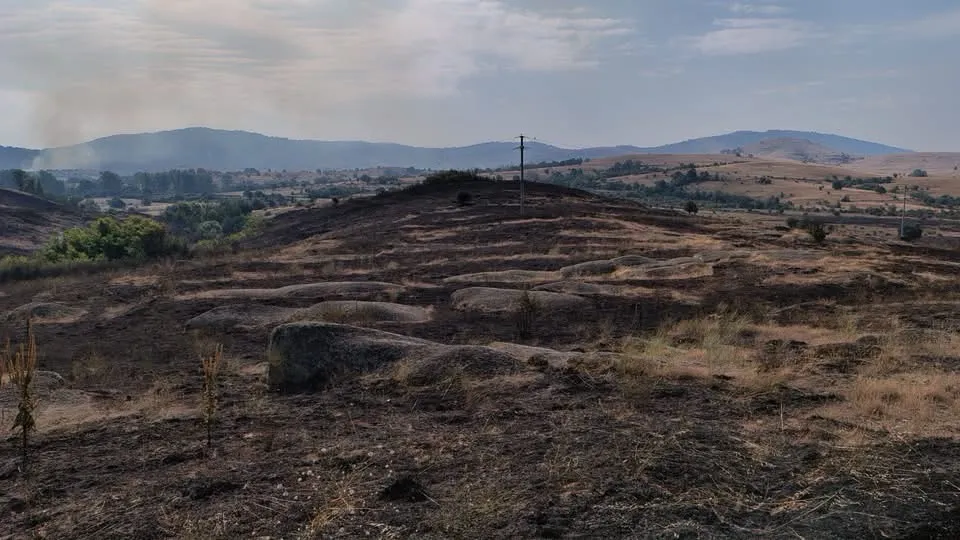
Makovo, Graeshnica, Kukurechani, Gneotino, Ivanjevci, Novoselani, Loznani. Firefighters worked 33 hours straight, and in Makovo the smoke is over ground...
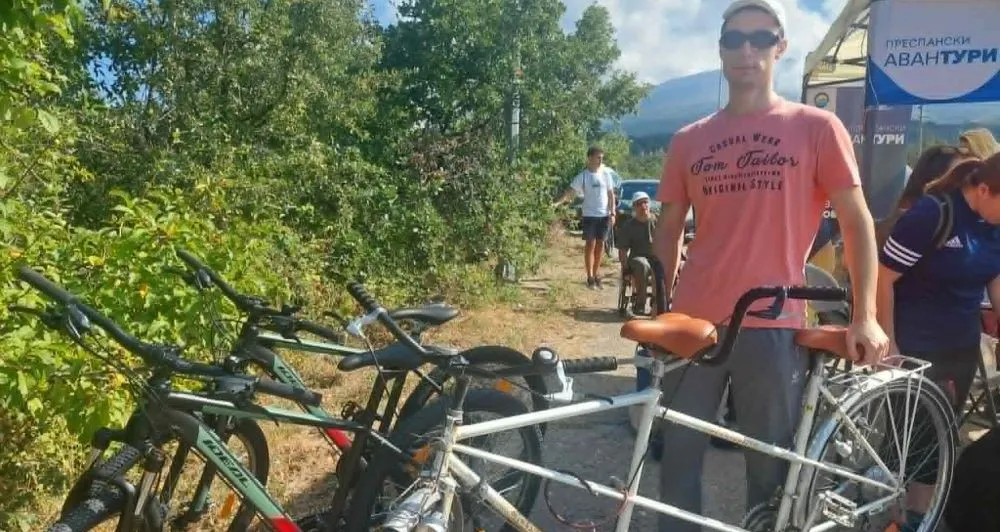
Five or six people in Skopje ride tandem bikes brought in from abroad, and spare parts are hunted down the...
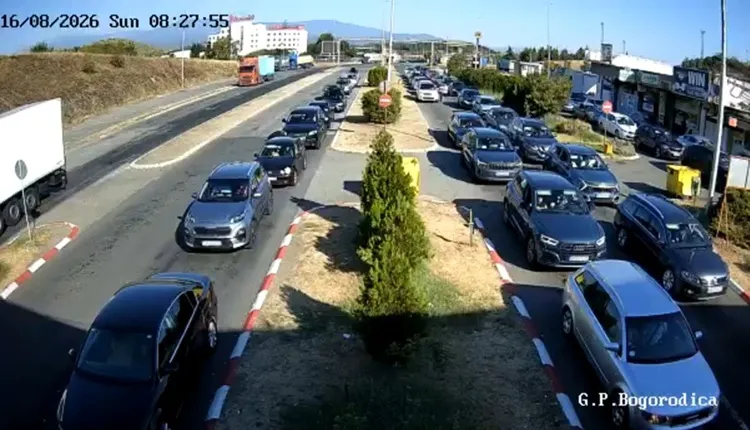
Of all the border crossings in the country, exactly one produces an hour-long wait - the exit toward Greece. The...

The Skopje public health institute says the water does not meet the standards, the Veles centre says it does. The...
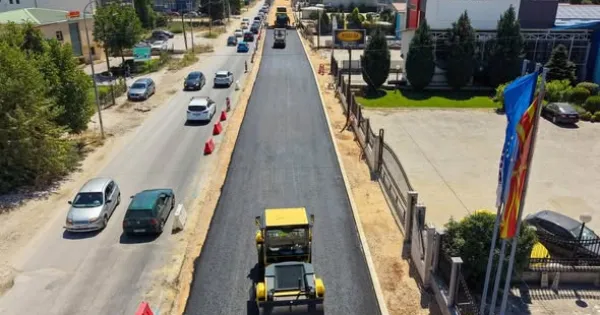
The work is real, the sewerage is new, the corridor carries over 100,000 people a day. But the figure 30...
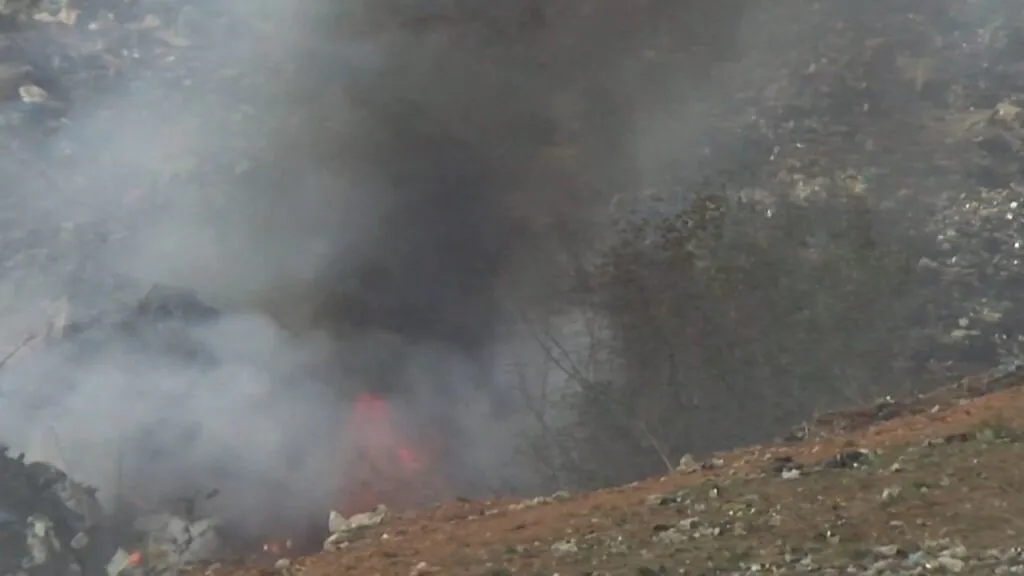
One dump is giving off a smell and has a history of fires, the other is already burning. For Arachinovo...
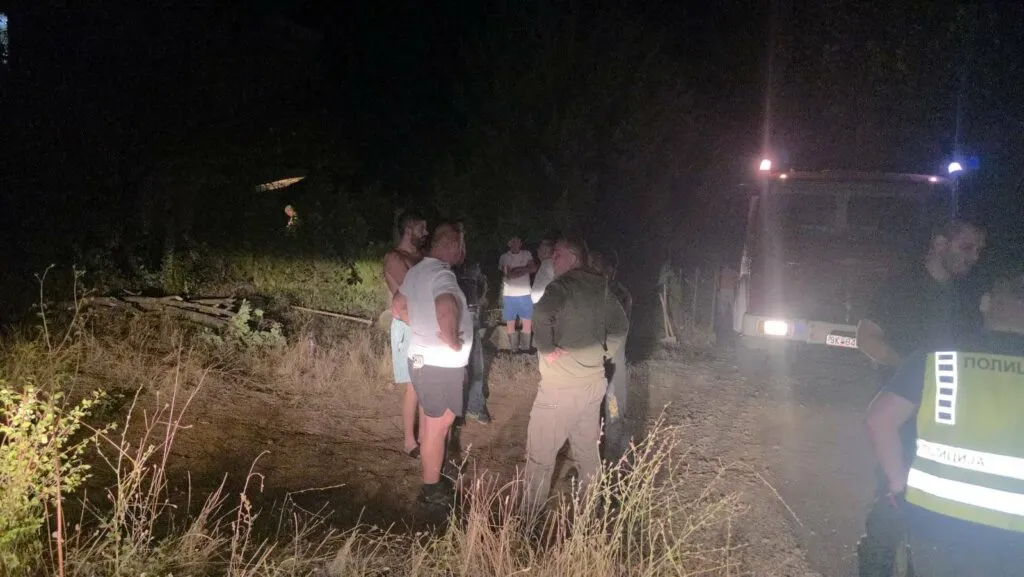
A woman in a panic called the head of the rescue directorate. The mayor did not wait for a driver...
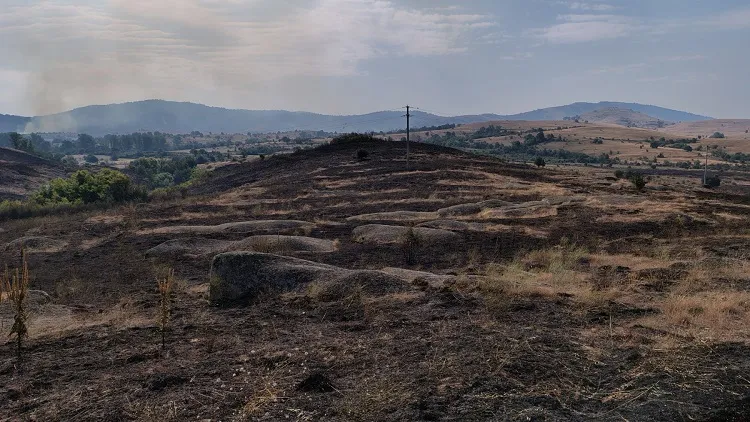
Makovo, Graešnica, Ivanjevci, Lozani - and the same finding at every location. It was not the drought, it was somebody's...
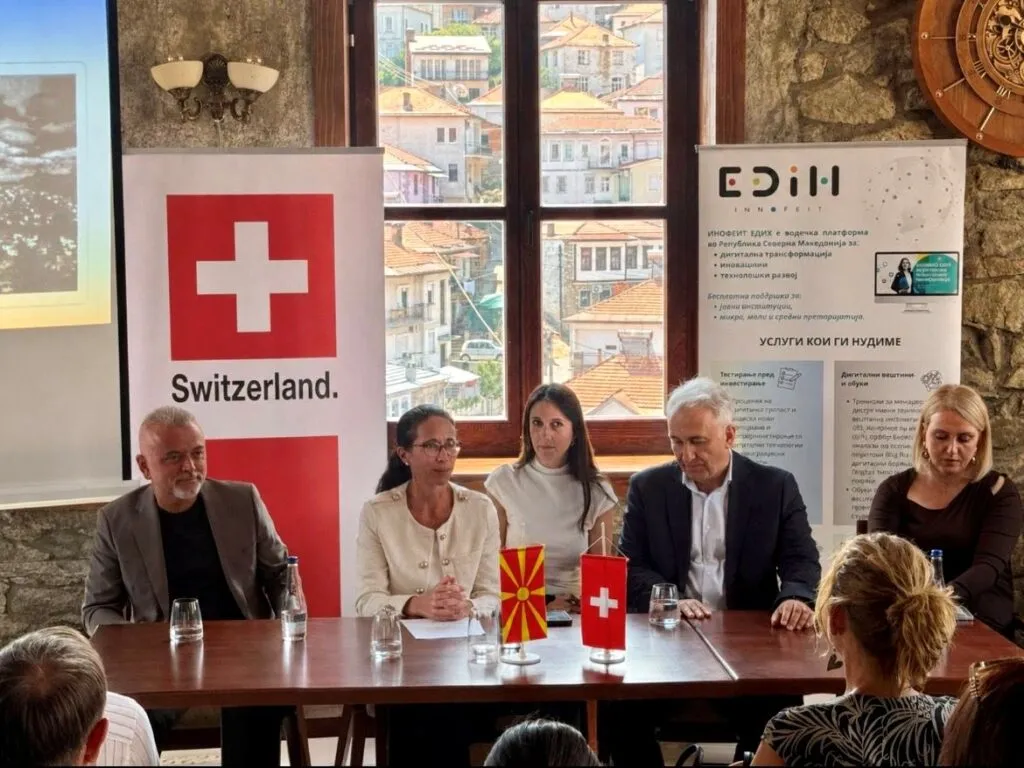
Certification as a green destination, a digital platform, a waste press. It works, and that is the point - if...
Twenty-two days of faecal contamination, over 5,000 people ill, three arrests. The end of the crisis was announced with a...
This site uses cookies - is that okay? Learn more
Be the first to know when Metla launches something new
Leave your email and we will write when there is a new guide or something new on Metla.