
Parts of Butel and Centar Without Power Today - Museum of Contemporary Art Six Hours Offline, Why No SMS to Customers?
26.05.2026


26.05.2026

26.05.2026
26.05.2026

26.05.2026
26.05.2026

26.05.2026
26.05.2026

25.05.2026

25.05.2026

26.05.2026

26.05.2026

25.05.2026
26.05.2026

26.05.2026
26.05.2026

26.05.2026

25.05.2026

24.05.2026
26.05.2026

26.05.2026

25.05.2026

09.03.2026

27.02.2026

19.02.2026

14.04.2026

07.11.2025
07.11.2025

23.04.2026

23.04.2026

12.04.2026

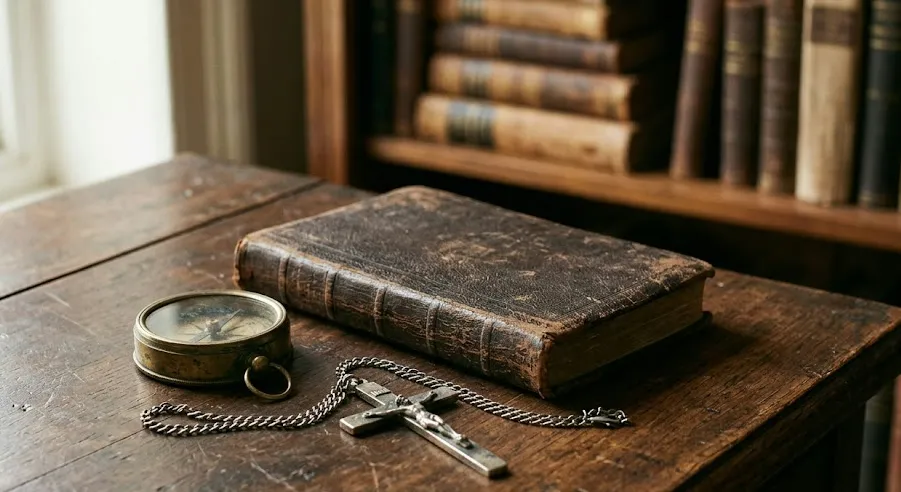
For the public, Pope Leo XIV is the first American pope in history. Researchers and genealogists had a slightly more complicated answer - his roots are a mix of Spanish hidalgos, Mississippi creoles, a Peruvian mission, and the Chicago working class. A biography that doesn't look like a standard Vatican CV.
Born Robert Francis Prevost in Chicago in 1955, the new pope comes from a family with deep roots in Spanish Cantabria. According to genealogical records, his Spanish ancestors were „hidalgos" - members of the lower nobility - with farming estates recorded on the Isla island as far back as 1573. Those hidalgos left Spain for the United States in the early 18th century.
On his mother's side, the story is different. His grandparents lived in the Seventh Ward of New Orleans at the end of the 19th century, in a time when that part of the city was a stronghold of the creole community. French, Spanish, indigenous Louisianians and free Black people mixed in those streets, and from that mix came the family of the future pope. A Cantabrian noble and a New Orleans creole in the same line - a first in Vatican history.
Prevost spent forty years as a missionary in Peru. He taught in the city of Chiclayo, then became the bishop there. He received Peruvian citizenship in 2015 - meaning he holds three: American, Peruvian, and now Vatican. He speaks seven languages fluently, including Quechua - the language of the indigenous peoples of the Andes. Very few popes in history could say the same.
Out of all these pieces, one thing is clear - Leo XIV isn't an „American" pope in any national sense. He's the product of four continents and several centuries of migration. Northern Italy spent centuries trying to keep the papacy as its own. Now, for the first time, the popes come from distant parts of the world, carry more than one biography, and because of that, other religions won't be able to label the Vatican as a European institution as easily. Long processes sometimes have long consequences.
The latest 10 news from this category

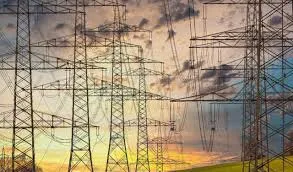
EVN announces the outage through the media - but the information only reaches affected customers today if they happen to...

Billboards are coming down, Hamza Doner has a 7-day ultimatum. The City Train is being promised for September. Will this...
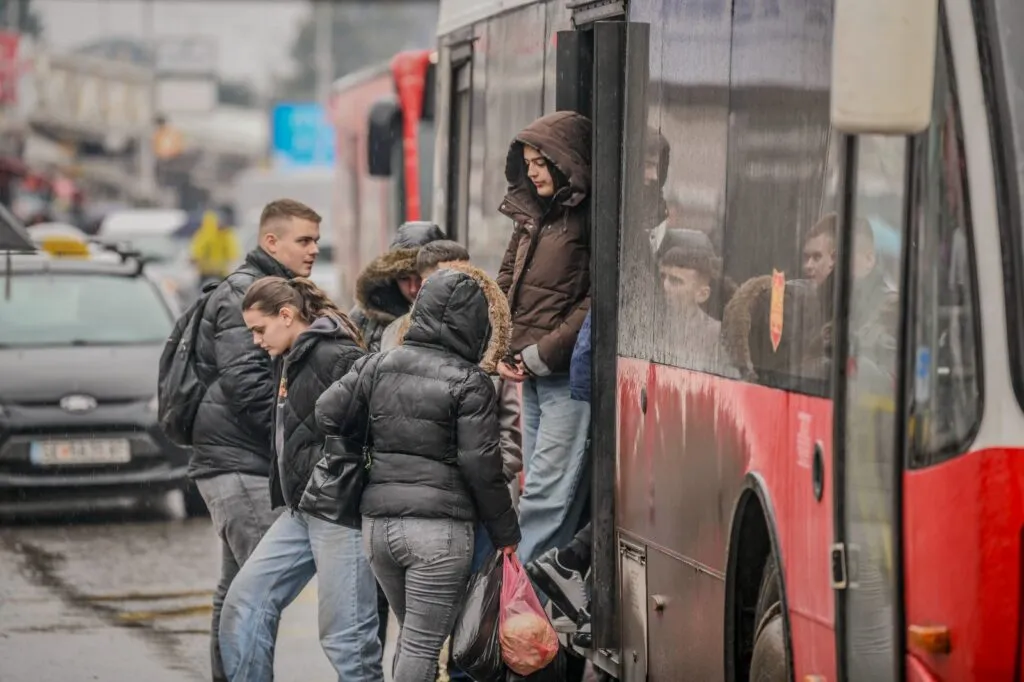
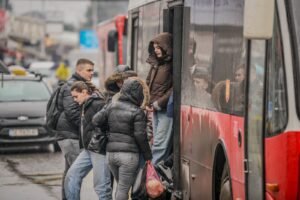
Half the fleet does not function on any given day. People wait at the bus stops. The tender procedure failed....
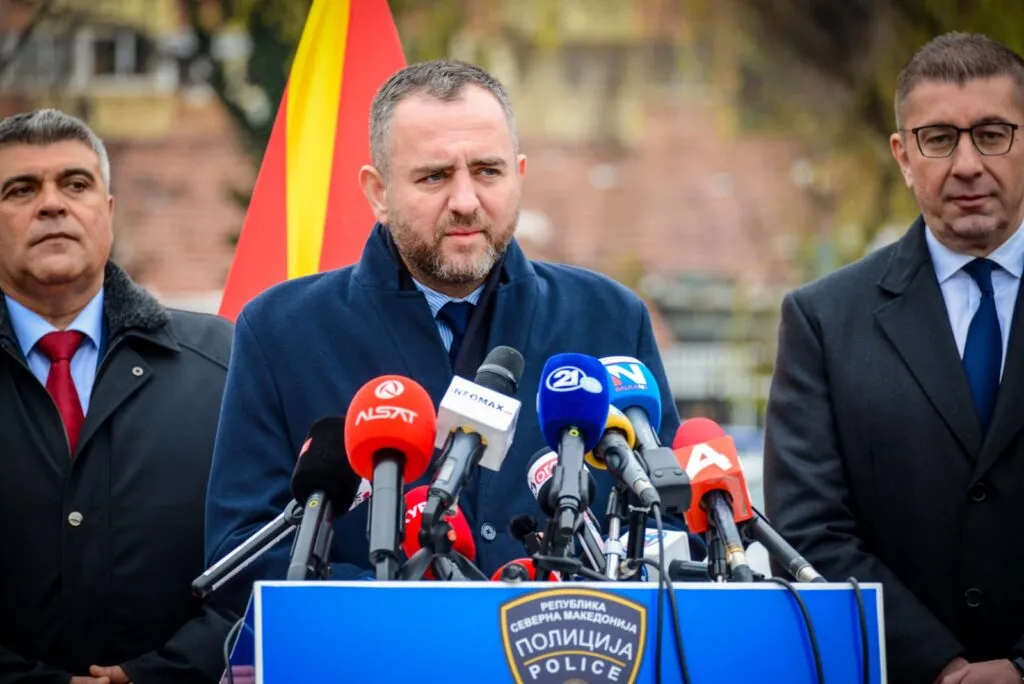
The Interior Ministry wants the right to life above privacy. The opposition sees surveillance. History says law and transparency first,...
One of the generation that lived through two systems - Yugoslavia and independent Macedonia. TANJUG correspondent in the far Pacific,...
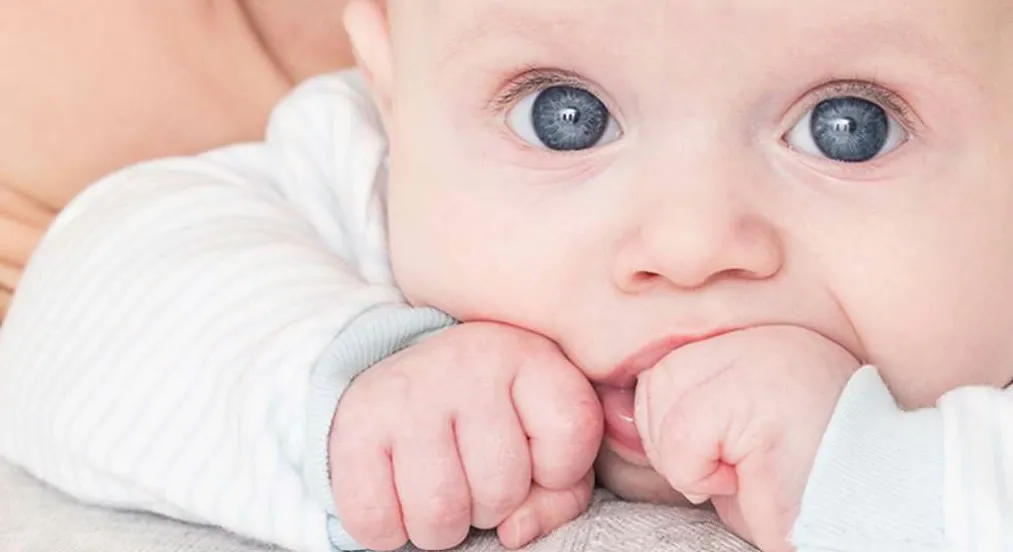
Seven newborns in one day in a town fighting negative natural growth. They do not solve the demographic crisis, but...
Kasami and VLEN claim they are unblocking infrastructure projects DUI had frozen for years. The Albanian bloc is fragmenting ahead...

On Mitropolit Teodosij Gologanov Boulevard, on a public holiday. The civic group Defence of Bunjakovac warned from the start -...

A 51-year-old from Bitola attacked his wife with metal and wooden objects. All cases in a single day - and...

A 20-year-old on a motorbike at work, four attackers aged 21-24. Police caught them within 24 hours - now the...