
Bio-Waste Forum in Berovo: Nice Presentations, but the Waste Still Ends Up in Illegal Dumps
06.07.2026


06.07.2026
06.07.2026

06.07.2026

06.07.2026

06.07.2026
06.07.2026

06.07.2026

30.06.2026

29.06.2026

06.07.2026

06.07.2026

30.06.2026

06.07.2026

06.07.2026

06.07.2026

06.07.2026

06.07.2026

05.07.2026

09.03.2026

27.02.2026

19.02.2026

23.04.2026

23.04.2026

12.04.2026

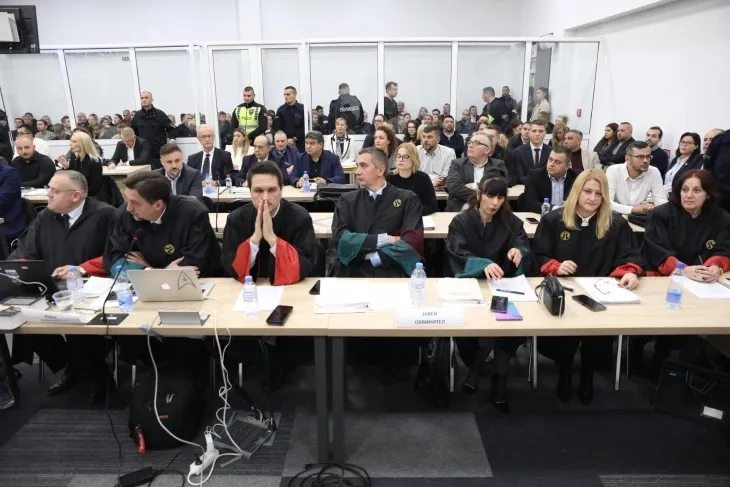
The trial over the fire at the „Puls“ club in Kočani is continuing, and the prosecution - a team of 15 prosecutors - is bringing new witnesses and evidence. And it is right here, in the courtroom, that the thing that matters most to every family struck by the tragedy is being decided: whether anyone will be held to account, and whether the system that failed will be named.
The testimony being presented sketches a picture of institutions that looked the other way for years. An inspector from the Directorate for Protection and Rescue testified that, after the fire, the investigation uncovered serious violations - a lack of fire extinguishers, an empty hydrant and a locked evacuation exit. Worse still: the municipality of Kočani, as it was stated, went more than a decade without a dedicated inspector for protection and rescue.
Another witness, from a security firm hired in the period before the tragedy, described how internal communication flowed and what instructions they received for securing large events. The prosecution also submitted phone records, documentation on the venue's licensing, and video showing the arrival time of the police and the activation of the pyrotechnics.
Every one of these details is not just a legal fact - it is a piece of the answer to the question of how it was even possible for a venue to operate with a locked exit and an empty hydrant. A locked evacuation exit is not a technical trifle; it is the difference between life and death when a fire breaks out. And ten years without an inspector in a municipality is not chance, but a system left to rust.
The court process is still ongoing, and no report can bring back what was lost. But what the court must now do is establish clearly who signed off, who failed to check, and who allowed the rules to exist only on paper. For the families, this is not revenge - it is the minimum of justice a state owes them. And that is the only reason trials like this must be followed to the end, rather than forgotten once the headlines cool.
The latest 10 news from this category
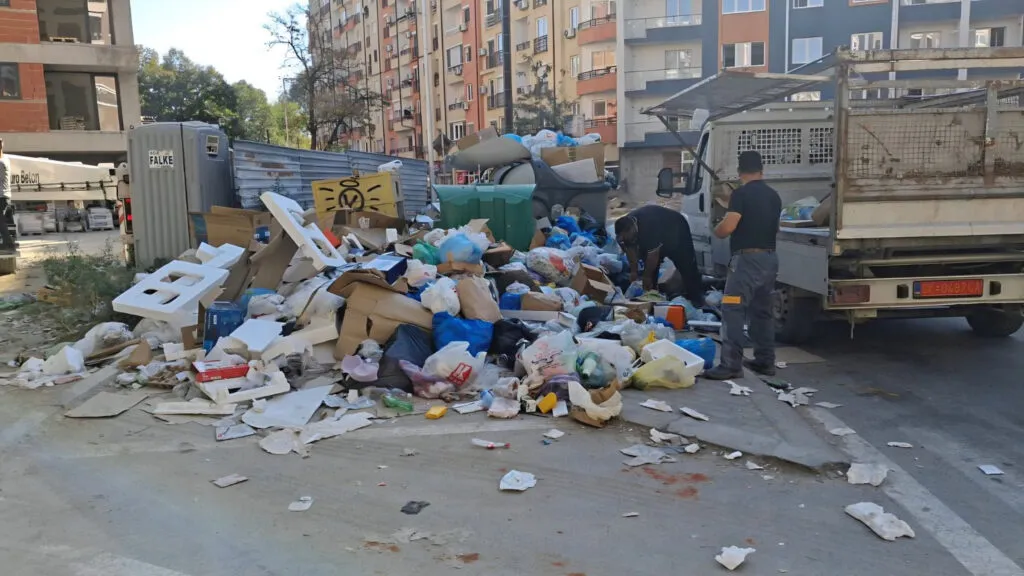
11 municipalities, Swiss support, an assessment study. The question is whether the conclusions will turn into composting sites, or stay...
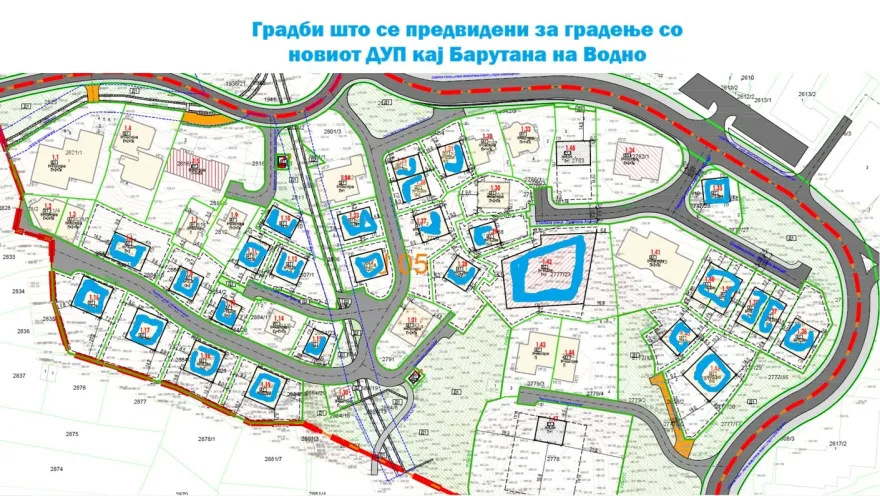
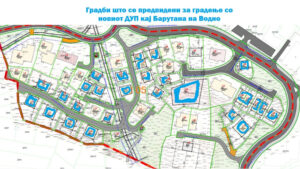
An engineering document says „plant a forest,“ the urban plan says „build buildings.“ How much are „new opportunities“ worth if...
A night out in Zebrnjak ended with police intervention. Ordinary incidents that say something about the atmosphere in which an...

A two-month-old fawn with almost severed legs, rescued near Kičevo. She survived only because someone happened to pass by -...
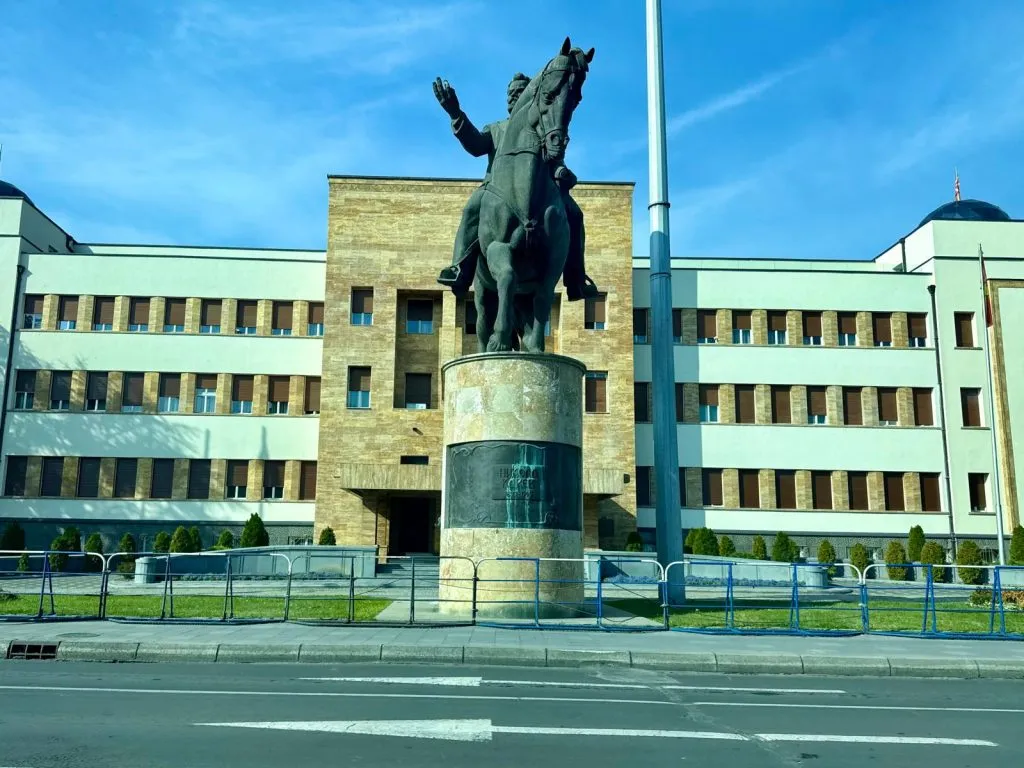
An oversight hearing in parliament, the resignation of the Language Council's chair, accusations that the minister stays silent. The language...

Sound advice on paper to plan your day around the outages - but say that to someone on the eighth...

VMRO accuses of a blockade, SDSM of manipulation, Levica demands money for citizens. And the rules we'll vote by at...
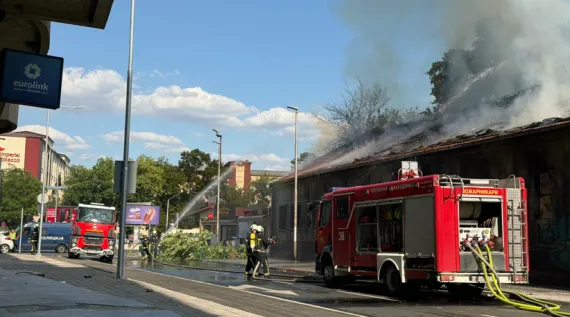
While all of us stare at the smoke and film it on our phones, into it walk the people whose...
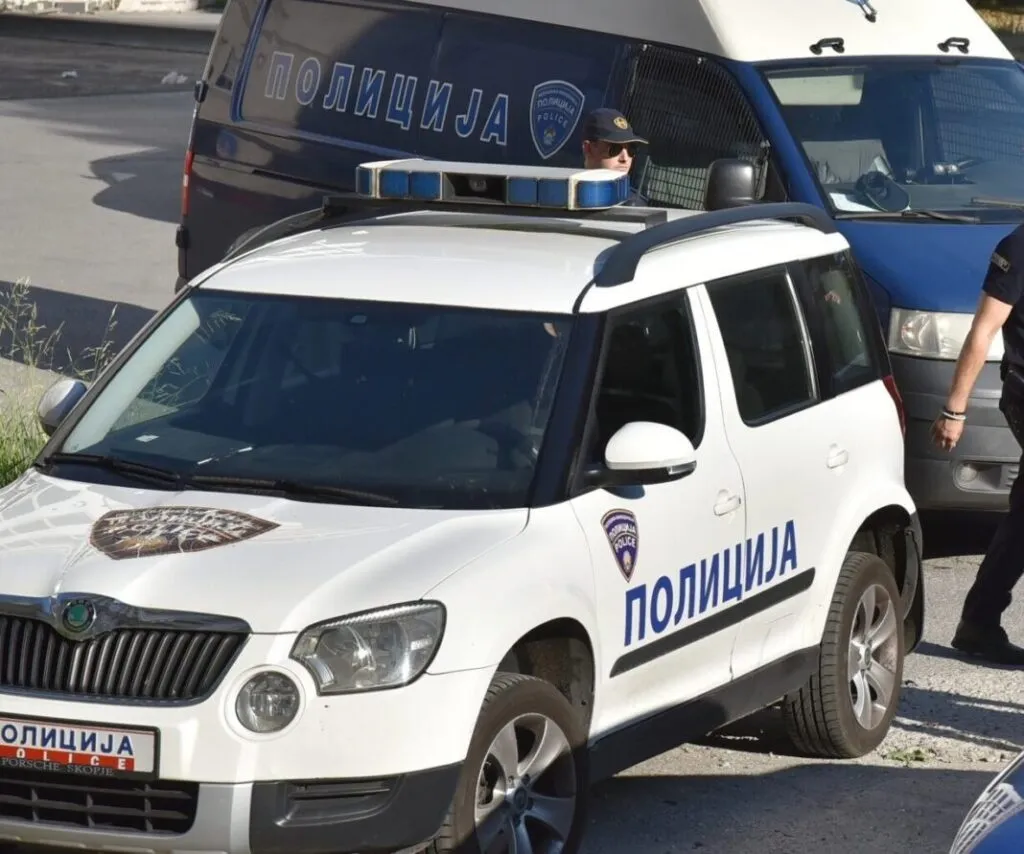
When a police officer ends up on the wrong side of the handcuffs, the story stops being routine. How long...

Six metal spheres washed ashore turned out to be space debris. What goes up, sooner or later, comes down somewhere.