
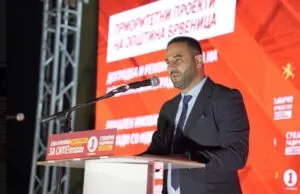
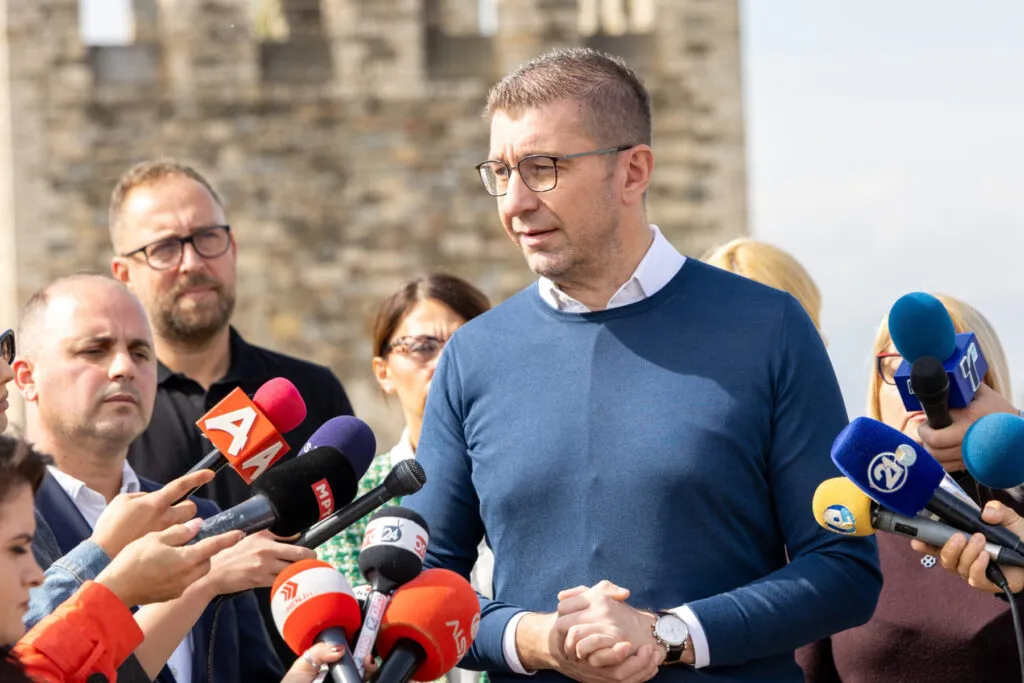
Mickoski celebrates a 4-to-1 win over SDSM in Brvenica, but his candidate got 445 fewer votes than a year ago
19.10.2026


19.10.2026
19.10.2026
19.10.2026
19.10.2026

19.10.2026
19.10.2026
19.10.2026
19.10.2026
18.10.2026

19.10.2026
19.10.2026

18.10.2026

19.10.2026

19.10.2026

19.10.2026

19.10.2026

18.10.2026
17.10.2026
19.10.2026
19.10.2026
19.10.2026

19.10.2026
19.10.2026

19.10.2026
19.10.2026

18.10.2026
18.10.2026
19.10.2026
17.10.2026
15.10.2026

23.04.2026

23.04.2026

12.04.2026

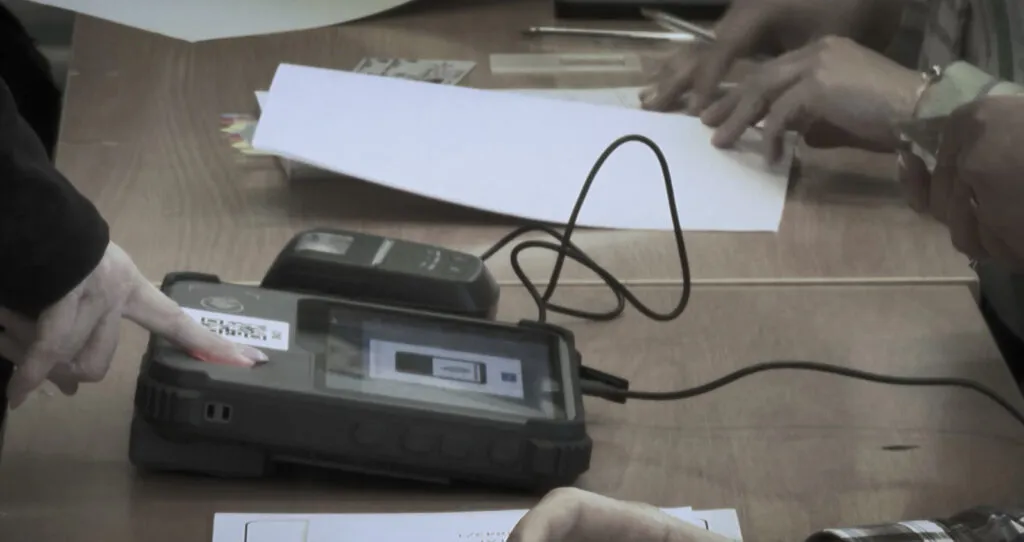
Residents of Brvenica are electing a new mayor today, following the death of Jovica Ilievski, who died on 23 June aged 58. Voting runs from 7 a.m. to 7 p.m. at 24 polling stations, and 16,256 voters are on the electoral roll - 449 of them temporarily working abroad, and nine in prison or detention. But the story around this election isn't only about who will win. It's also about the machines people will vote on.
The contract expired, the election arrived
The State Election Commission's (DIK) five-year contract with the German firm Dermalog for support and maintenance of the biometric voter identification system expired in August. The Brvenica election was called on 7 August, and the warranty ran out on 11 August. According to its president Bojan Maričić, the commission found itself in a "time squeeze" and reached for Article 55 of the Public Procurement Law - direct negotiation, without publishing a tender, with prior approval from the Public Procurement Bureau.
The price: around 200,000 euros for functionality and updates on just a handful of devices - as many as 24 polling stations need - for a period of three months. Last week German engineers, together with local experts, prepared the machines for today's vote. Divided by registered voters, that's about 12 euros per head just to get the machines working in one municipality.
Maričić insists there's no reason for anyone to challenge the vote, since the contract was signed on the same terms as the one in force for five years. Maybe so. But "extreme urgency caused by circumstances we could not have foreseen" sounds odd when the contract's expiry date was known a full five years in advance. The mayor's death could not have been foreseen - the contract's expiry could.
What comes next for the rest of the machines
A temporary fix has been found for Brvenica, but the system as a whole remains an open question. The commission says a team of independent IT experts is analysing the hardware and software, and a working group will be set up to research the market. Their assessment will determine whether the next procurement covers only software or a complete overhaul of the machines. For comparison, the biometric identification terminals, first used in the 2021 local elections, cost the state 11.2 million euros.
Six candidates in the race
Six candidates are running for mayor: Stojancho Radicheski of the VMRO-DPMNE-led "Your Macedonia" coalition, Jovica Radeski of the SDSM-led coalition, Jakup Useini of the Vredi coalition, Arkin Jahiji of the DUI-led coalition, and independents Dushan Bogdanovski and Arife Idrizi. In recent months the post of acting mayor was held by Robert Milosheski.
To win in the first round, a candidate needs a majority of the votes cast, provided at least a third of registered voters turn out. If no candidate wins a majority, the top two go to a runoff in two weeks, and if turnout is below a third, the whole procedure is repeated. Every voter today will identify with a fingerprint - on a machine whose life the commission extended at the last minute.
The latest 10 news from this category
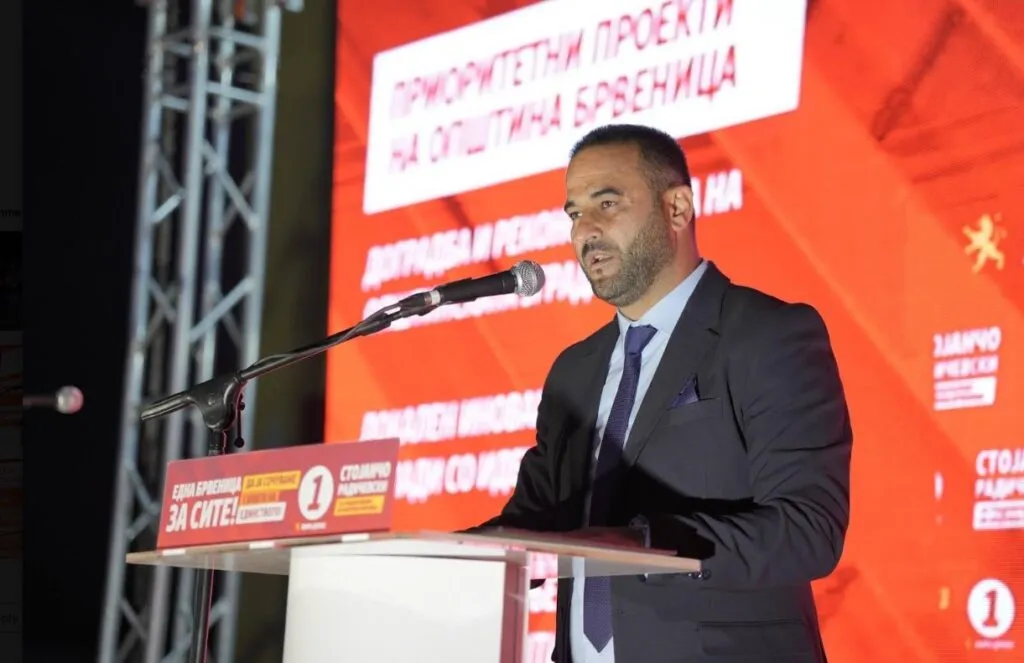
DUI nearly doubled its votes, Vlen lost 493 and SDSM grew from a low base. Radičevski and Jahij go into...
The Government says NATO allies will be the first to see the evidence about her escape. The question that remains...
The European Council called enlargement a geostrategic investment, and of the whole region it named only Montenegro. Macedonia, a candidate...
One candidate was shown "Cela da e" comments under the prime minister's posts, the other had been photographed at a...
The opposition refuses or hesitates, and from Sofia comes word that the constitutional changes are not up for renegotiation. Is...
Six companies, around 20,000 euros in donations from the brother-in-law, and a lunch for 250 guests as the Strumica municipality's...
Charged over a fatal car crash, with both her passports confiscated, she crossed a border where neither Macedonian nor Bulgarian...
The Interior Ministry acted only after the footage was already circulating, the police union offers its own version, and DUI...
At the 85th anniversary of the uprising, the prime minister called for unity, set a 1,000-euro salary target and attacked...
A day after the meeting in Sofia, Bulgaria's foreign minister told MPs there will be no renegotiation and no delayed...
This site uses cookies - is that okay? Learn more
Be the first to know when Metla launches something new
Leave your email and we will write when there is a new guide or something new on Metla.


