

The Mihailova Case Goes to NATO: Mickoski Blames Sofia, and the Interior Ministry Still Hasn't Explained How She Crossed the Border
17.10.2026


17.10.2026
17.10.2026
17.10.2026
17.10.2026
17.10.2026
17.10.2026
17.10.2026

16.10.2026

15.10.2026

17.10.2026
17.10.2026

16.10.2026

17.10.2026

17.10.2026

17.10.2026

17.10.2026

16.10.2026

15.10.2026
17.10.2026

17.10.2026
17.10.2026

17.10.2026
17.10.2026

17.10.2026

17.10.2026

16.10.2026

15.10.2026
15.10.2026

13.10.2026

12.10.2026

23.04.2026

23.04.2026

12.04.2026

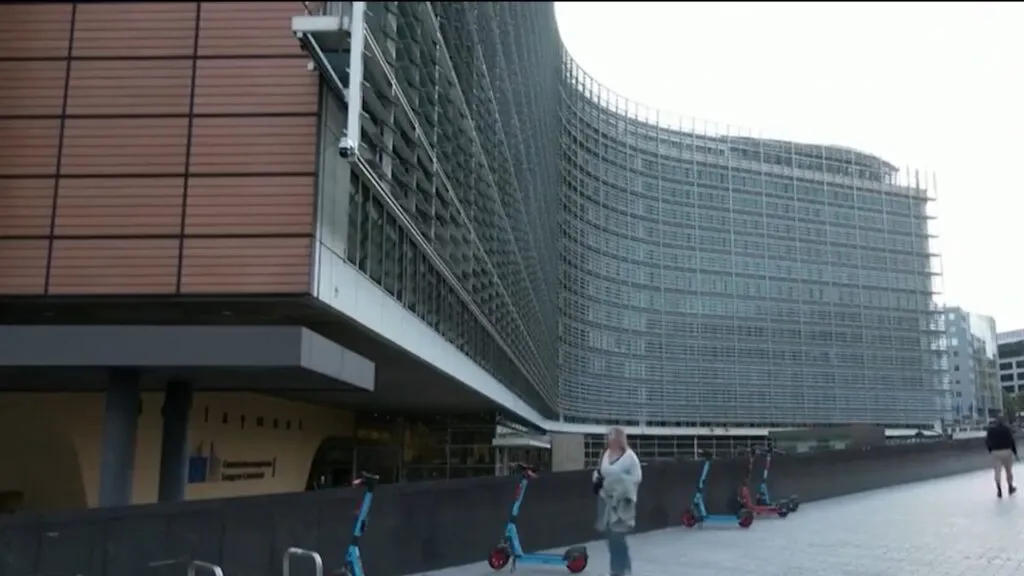
European Union leaders in Brussels finally held the strategic debate on enlargement that had been awaited for months. The conclusions speak of "the continued importance of enlargement as a geostrategic investment in peace, security, stability and prosperity." Of the candidates from the region, only Montenegro is mentioned by name. Macedonia, Albania, Serbia, Bosnia and Herzegovina and Kosovo are not listed.
Even Montenegro didn't get what it asked for. Podgorica wants to close negotiations by the end of the year, sign the accession treaty in the first half of 2027 and become a member in 2028. Instead of clear backing for that timeline, the Council "welcomes the ongoing work" on the treaty and "takes note" of the Irish presidency's intention to work on provisionally closing the remaining chapters. Analyst Adnan Ćerimagić of the European Stability Initiative summed up the outcome briefly: "much ado about nothing."
A Croatian lesson at someone else's expense
The most direct mention of Macedonia came from Croatian Prime Minister Andrej Plenković, and not to support it. He used Skopje's years-long blockade as an argument that Zagreb is being constructive towards Montenegro, even though it is setting eight conditions. "There are two states which, from 2005 to 2026, took away 21 years of institutional rapprochement" from Macedonia, Plenković said, adding that Croatia "did not take that approach."
So Macedonia's only role at the summit was that of a cautionary tale in someone else's sentence. When a neighbour that is blocking justifies itself by pointing out that someone else blocked for longer, what is the principle that every country advances on its own merits worth?
High Representative Kaja Kallas said it is "really important that we do not bilateralise the enlargement process." A nice sentence, spoken while Croatia holds up Montenegro, Hungary and Bulgaria hold up Ukraine, and Bulgaria holds up Macedonia.
Austria offers the market before membership
The only fresh idea came from Vienna. Austrian Foreign Minister Beate Meinl-Reisinger proposes that candidates gradually gain access to parts of the European single market as soon as they meet reform conditions, instead of waiting for the end of the whole process. "If we leave the candidate countries waiting too long, we shouldn't be surprised if others fill that space with their own rules, money and influence," she warned.
For Macedonia that sounds tempting, but it doesn't change the essence. On the European side, the position still stands that constitutional amendments are a condition for formally starting negotiations. Prime Minister Hristijan Mickoski, for his part, repeats that he won't make concessions without a clear perspective. "I will never enter such a process without knowing that it has an end," he said in a TV interview.
November brings new reports on the candidates and roadmaps for the four front-runners: Montenegro, Albania, Ukraine and Moldova. Macedonia is not on that list. Between the constitutional amendments Brussels demands and the guarantee Skopje demands, the country stays in the waiting room it has been sitting in since 2005.
The latest 10 news from this category
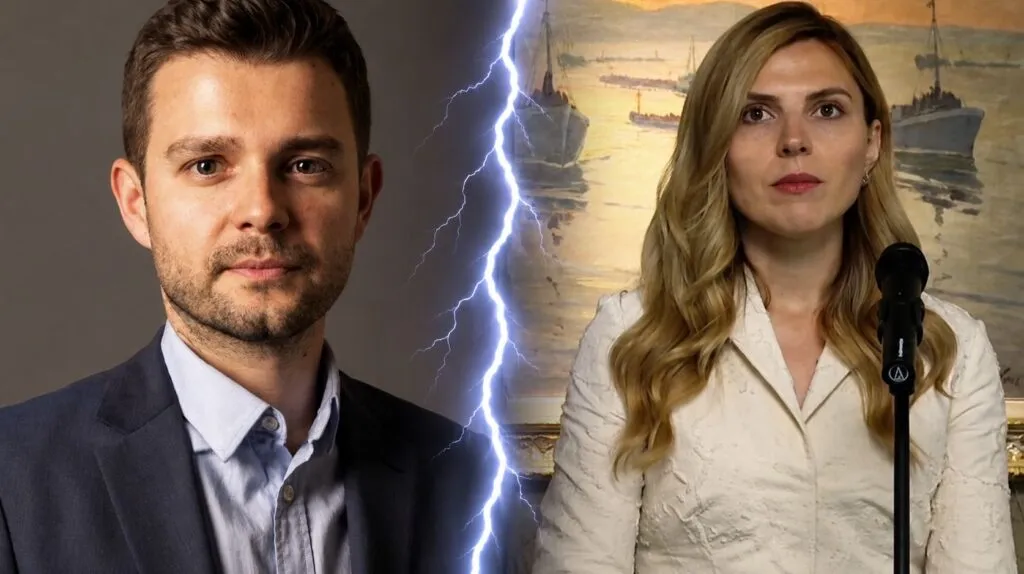
The Government says NATO allies will be the first to see the evidence about her escape. The question that remains...
One candidate was shown "Cela da e" comments under the prime minister's posts, the other had been photographed at a...
The opposition refuses or hesitates, and from Sofia comes word that the constitutional changes are not up for renegotiation. Is...
Six companies, around 20,000 euros in donations from the brother-in-law, and a lunch for 250 guests as the Strumica municipality's...
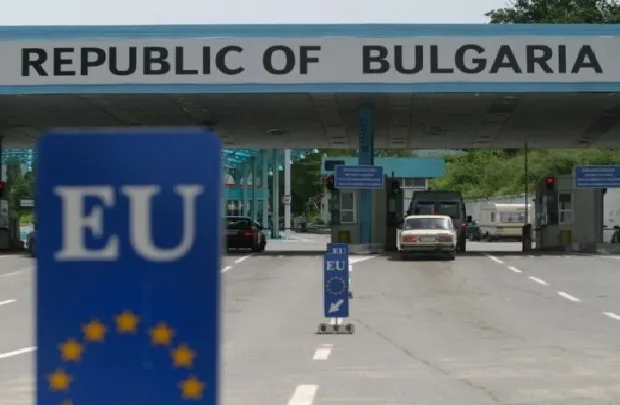
Charged over a fatal car crash, with both her passports confiscated, she crossed a border where neither Macedonian nor Bulgarian...
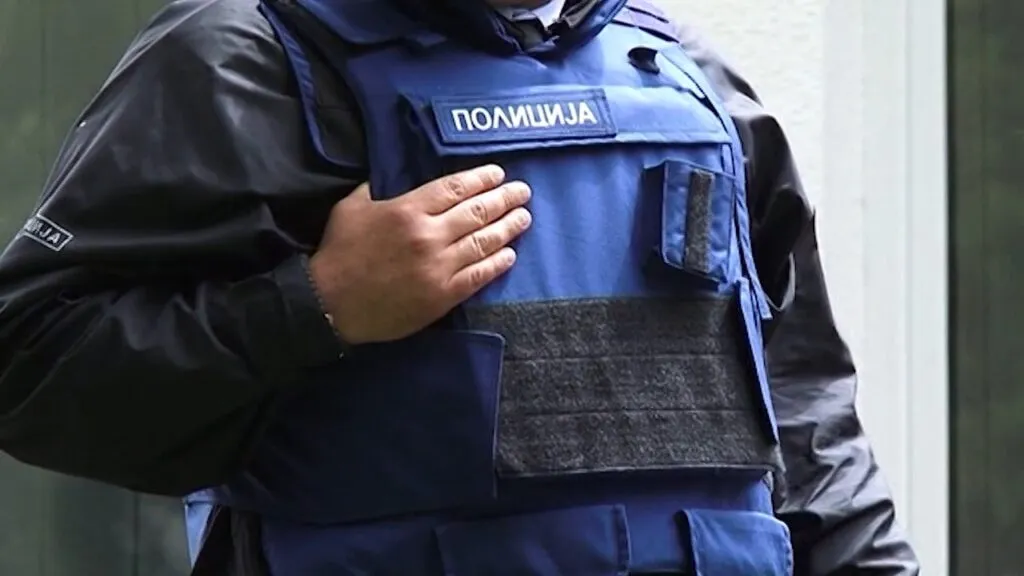
The Interior Ministry acted only after the footage was already circulating, the police union offers its own version, and DUI...
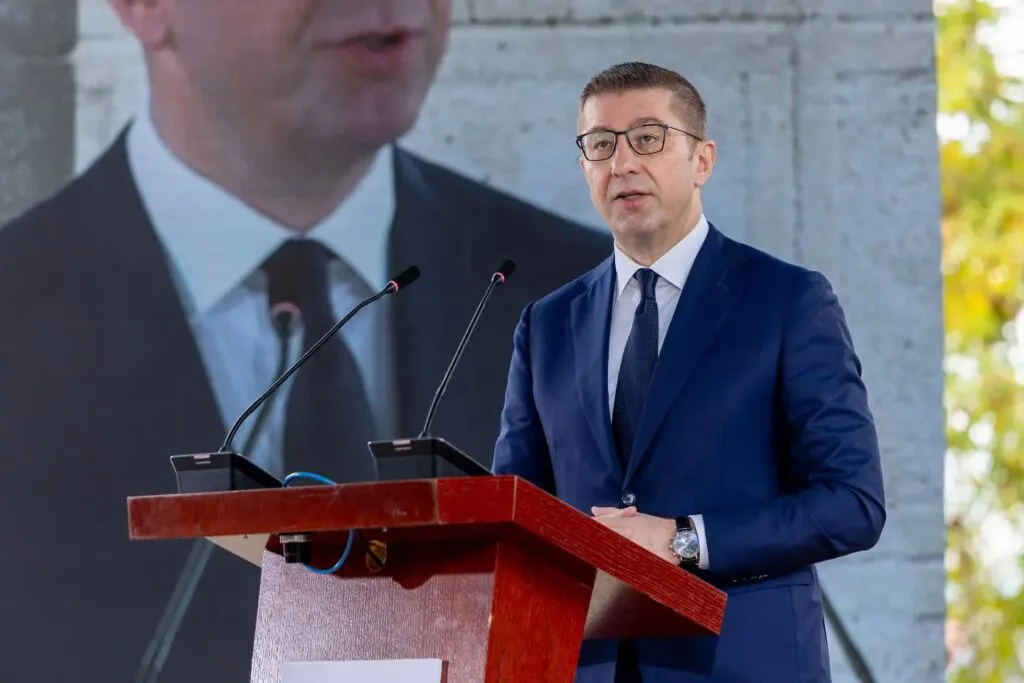
At the 85th anniversary of the uprising, the prime minister called for unity, set a 1,000-euro salary target and attacked...
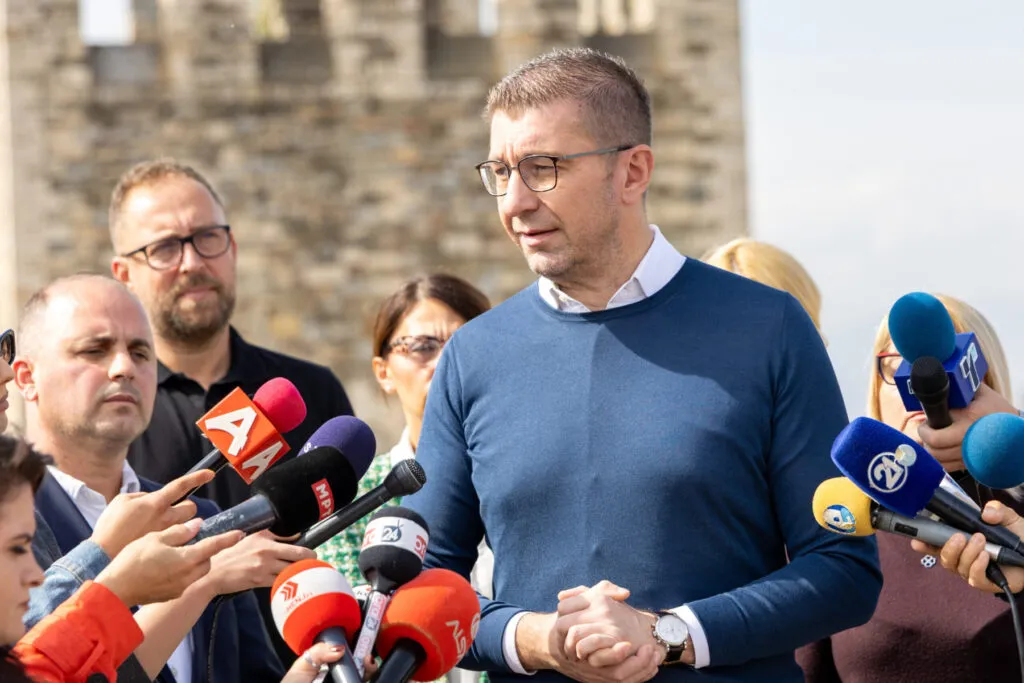
A day after the meeting in Sofia, Bulgaria's foreign minister told MPs there will be no renegotiation and no delayed...
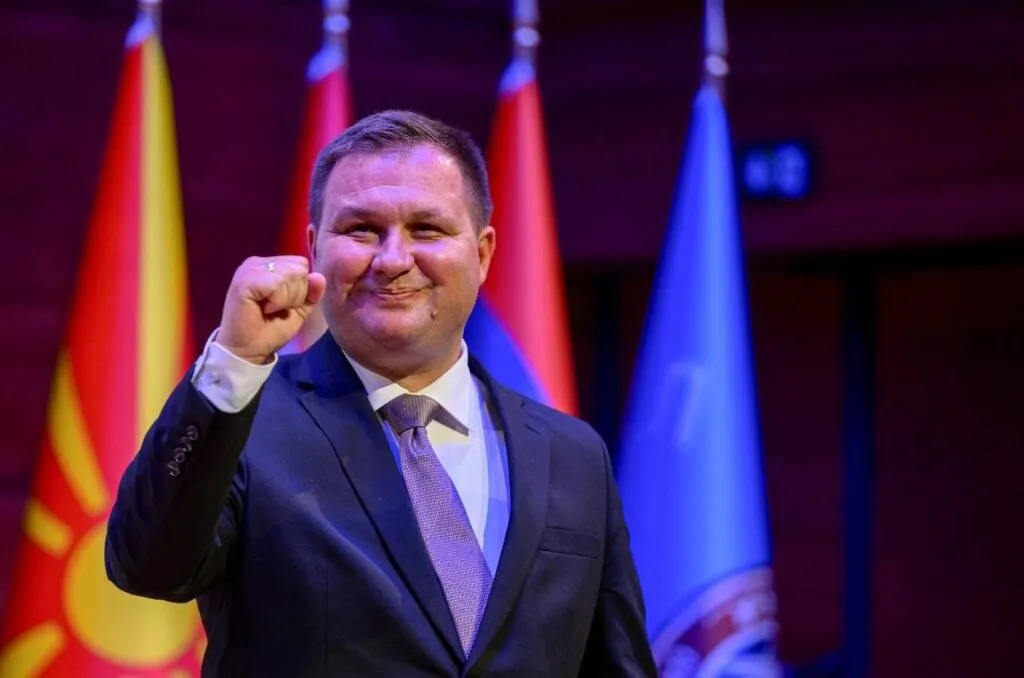
The former mayor of Centar now leads a party that invokes an organization from 1908 and says it is open...
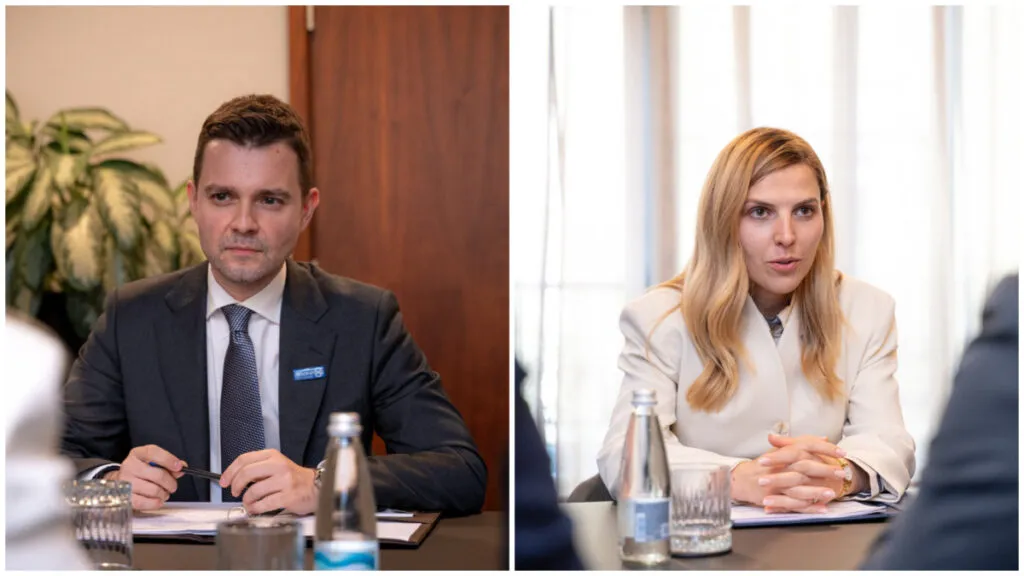
Brussels asked for the meeting. Bulgaria rejected renegotiation, constitutional changes with delayed effect and qualified majority voting - and did...
This site uses cookies - is that okay? Learn more
Be the first to know when Metla launches something new
Leave your email and we will write when there is a new guide or something new on Metla.


