


The OLVX stolen-password market led to Golema Rečica: the Interior Ministry celebrates the operation but stays silent on whether there are Macedonian victims
16.10.2026


16.10.2026
16.10.2026
16.10.2026
16.10.2026
16.10.2026
16.10.2026

16.10.2026

15.10.2026

15.10.2026

16.10.2026

16.10.2026

15.10.2026

16.10.2026

16.10.2026

16.10.2026

16.10.2026

15.10.2026

14.10.2026

16.10.2026

16.10.2026

16.10.2026
16.10.2026
16.10.2026

16.10.2026

16.10.2026

15.10.2026

14.10.2026
15.10.2026

13.10.2026

12.10.2026

23.04.2026

23.04.2026

12.04.2026

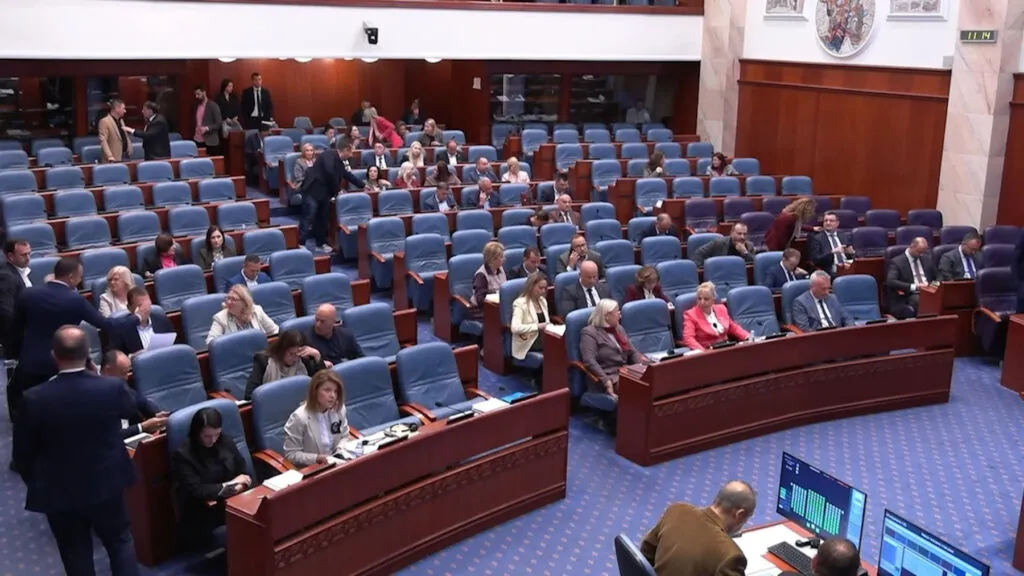
From the parliamentary rostrum, Prime Minister Hristijan Mickoski held out a hand to the opposition: let them nominate their own representatives to the team running the dialogue with Bulgaria. "We will absolutely respect that," he said, answering a question from Arbana Pašoli of European Front about the strategy for unblocking EU integration. The opposition looked at the outstretched hand - and each party answered in its own way, most of them with a no.
SDSM were the harshest: "We don't take part in the Medrano circus, that's for Mickoski's satellites," adding that all responsibility lies with the prime minister, who in their view worked "on isolation, not integration". DUI answered diplomatically that it is always ready to contribute, but that "we need to see what the intentions of this open invitation are". Levica first said it had no position, then announced the most principled one: it accepts negotiations with EU institutions, but not with Bulgaria, because simply accepting bilateral talks with Sofia is a political position, not a neutral procedure. National unity, according to Levica, isn't built "by handing out seats on negotiating teams".
What is actually being negotiated?
The dialogue began on 8 October in Sofia, with a meeting between minister Timčo Mucunski and his Bulgarian counterpart Velislava Petrova-Chamova, on the advice of European Commission President Ursula von der Leyen. Mucunski himself said there had been no progress. The signals from Sofia were that there will be no renegotiation of the constitutional changes with deferred effect. Mickoski says Bulgaria will be asked to accept the Action Plan for minorities, which, according to him, 26 member states have accepted - all except Bulgaria.
In a TV interview, the prime minister was even clearer: a deal is possible if there is a partnership, but if the "bullying" and the "we're in, you're out" stance continue, there will be no deal. And he added that he won't go "headfirst" into a process with no clear end.
The scene is familiar: the government invites the opposition to the table, the opposition doesn't want to be photographed at it, and Sofia won't open the subject Skopje most wants to talk about. When Sofia won't budge and there's no common position at home, the seat on the team being offered to the opposition looks more like a share of the blame than a place in the negotiations. The question is whether Mickoski is looking for partners in a solution, or witnesses to a failure.
The latest 10 news from this category
One candidate was shown "Cela da e" comments under the prime minister's posts, the other had been photographed at a...
Six companies, around 20,000 euros in donations from the brother-in-law, and a lunch for 250 guests as the Strumica municipality's...
Charged over a fatal car crash, with both her passports confiscated, she crossed a border where neither Macedonian nor Bulgarian...
The Interior Ministry acted only after the footage was already circulating, the police union offers its own version, and DUI...
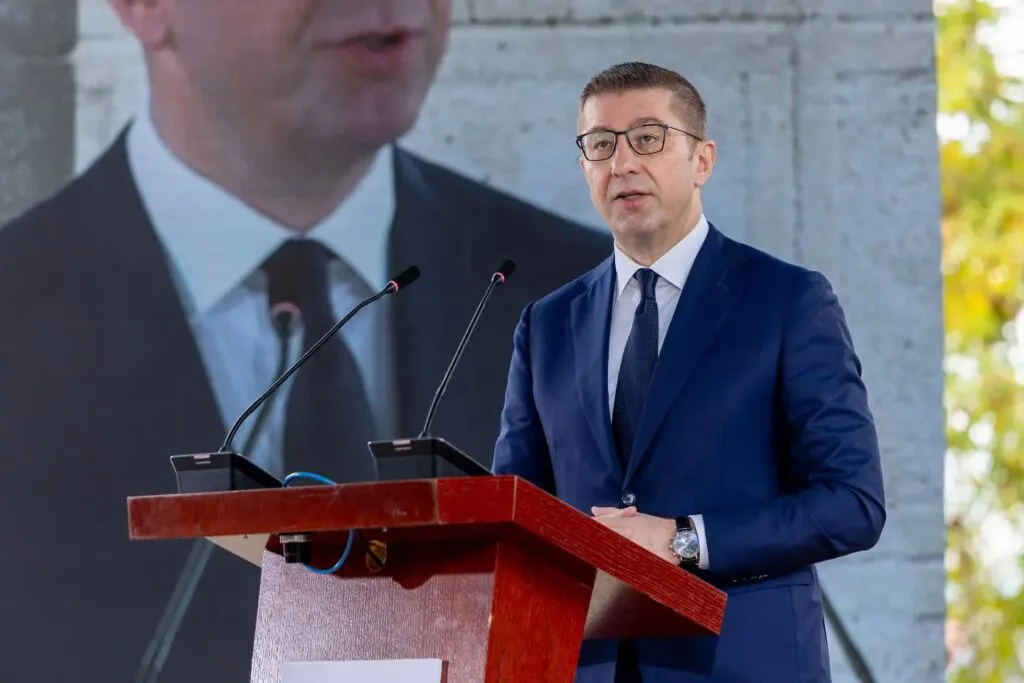
At the 85th anniversary of the uprising, the prime minister called for unity, set a 1,000-euro salary target and attacked...
A day after the meeting in Sofia, Bulgaria's foreign minister told MPs there will be no renegotiation and no delayed...
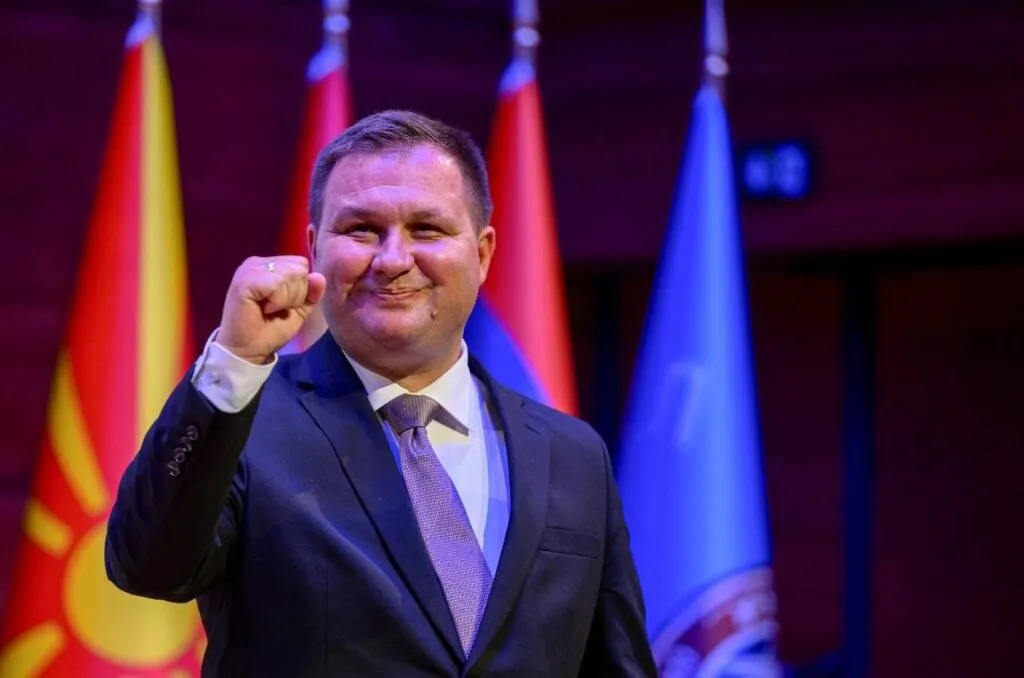
The former mayor of Centar now leads a party that invokes an organization from 1908 and says it is open...
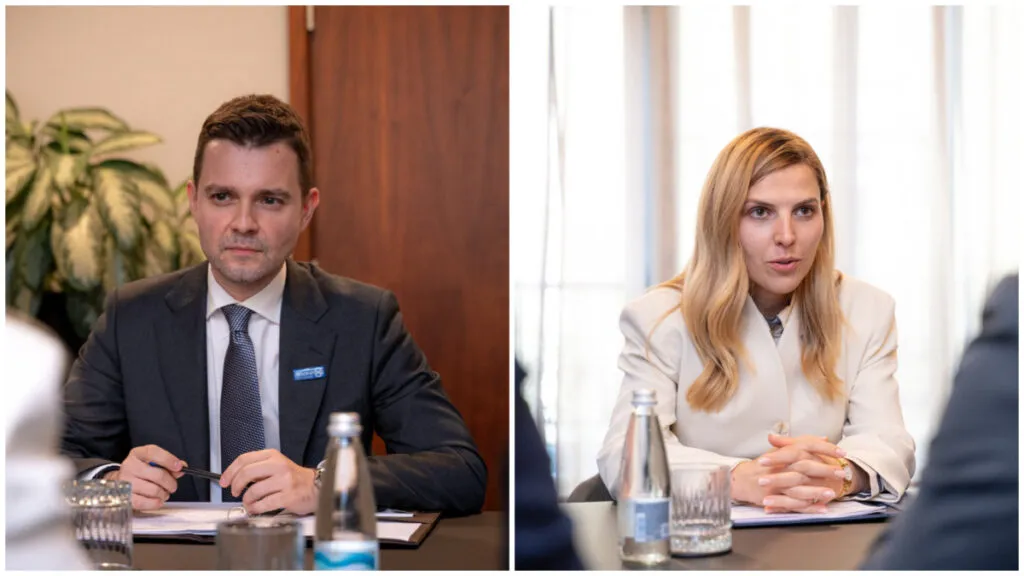
Brussels asked for the meeting. Bulgaria rejected renegotiation, constitutional changes with delayed effect and qualified majority voting - and did...
The State Lottery put up the money, a private agency divided it up, and the Lottery says it has no...
The statement attacking the prosecutor came out on the day the court, at her request, refused to unfreeze the party's...
This site uses cookies - is that okay? Learn more
Be the first to know when Metla launches something new
Leave your email and we will write when there is a new guide or something new on Metla.


