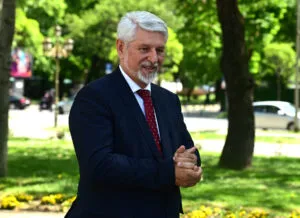
A New Criminal Complaint Against Jakimovski: A Building Permit Based on a Plan Struck Down Back in 2018
16.09.2026


16.09.2026

16.09.2026

16.09.2026
16.09.2026
16.09.2026

16.09.2026
16.09.2026

15.09.2026

14.09.2026
16.09.2026

16.09.2026

15.09.2026

16.09.2026

15.09.2026
14.09.2026

16.09.2026

16.09.2026

16.09.2026

16.09.2026

15.09.2026
15.09.2026

09.03.2026

27.02.2026

19.02.2026

16.09.2026

15.09.2026

14.09.2026

23.04.2026

23.04.2026

12.04.2026

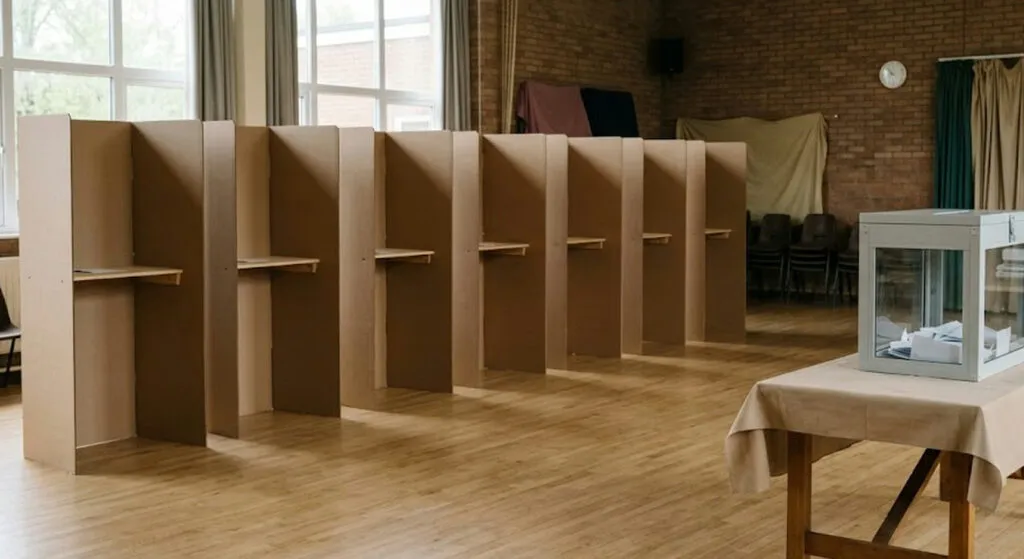
British politics is entering a new era. In the UK local elections, Prime Minister Keir Starmer's Labour Party suffered its worst defeat in decades. The British press has dubbed the result "Starmageddon" - a play on "Armageddon". Nigel Farage and his party Reform UK are the biggest winners. This is not a political surprise - this is a political transformation.
The numbers speak for themselves. According to preliminary results (with around 20 percent of seats counted):
Labour lost 249 seats nationally, 185 of them in England alone. Reform UK won more than 300 seats in England. And something that until recently would have been unimaginable - Labour lost control of Thameside (for the first time in 50 years) and Wigan (for more than half a century).
"The results have far exceeded expectations," Farage said. "This represents a historic shift in British politics." Analysts assess this as one of the largest transformations of the British political system in the last hundred years - British democracy is moving from a traditional two-party model toward a multi-party landscape.
Starmer insists he will lead Labour into the next general election. That's the line of a prime minister who simply will not admit his political position is in crisis. Dozens of mutterings from his own ranks, plus pressure from a steadily more massive right flank, are turning him into a prime minister who survives rather than governs.
For the Balkans this result carries two implications. First - British migration policy, which until now had been under Labour pressure to reform, will now shift toward even stricter measures. Balkans citizens living and working in Britain (and there are many) will feel those changes. Second - when Reform UK dominates British institutions, London's policy toward the EU shifts. That matters for countries seeking accession - less British advocacy in European corridors means less support for Balkan countries still on the road to Brussels.
And what is more important - British politics has finally stopped being quiet. When a party considered marginal five years ago takes local government in big cities, that is not an incident. That is a turning point. Every country still working with the old picture of British politics needs to update that picture - quickly.
The latest 10 news from this category

Sanctions imposed over one war are being offered as currency in an entirely different dispute. Most member states are against...
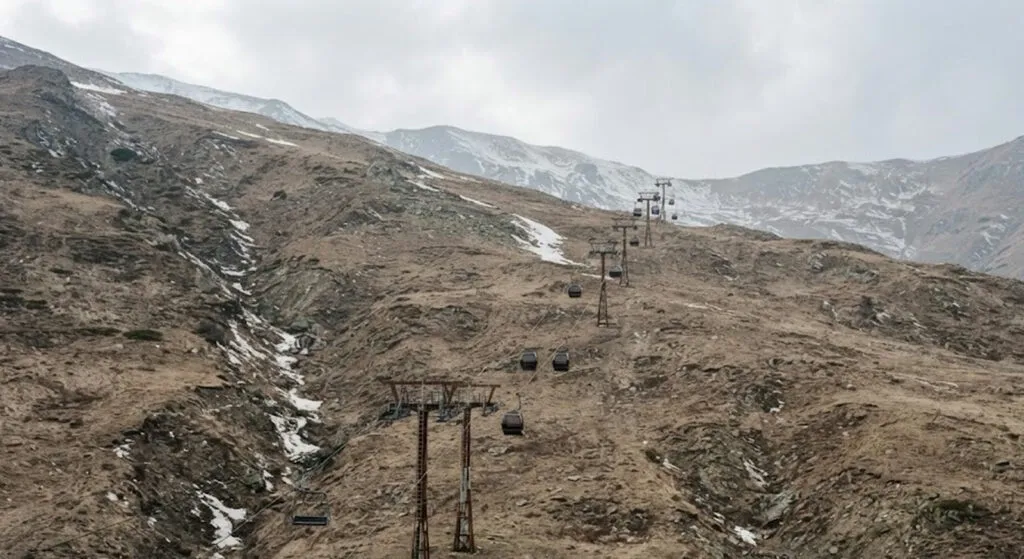
El Nino in the Pacific shifts the currents that decide where snow falls. An area that usually gets a metre...
The easiest way to dismiss an uncomfortable argument is to point at who is making it. But that does not...
The appeals court ruled the entire trial must start over. The son of Norway's queen is waiting for it on...
Trump scaled back the military exercises to ease the tension, and Wonsan answered in the form of projectiles. What does...

The sanctions list got a seven-day extension instead of one measured in months, a move diplomats themselves call unprecedented. Two...
Switzerland offered a table for talks on Ukraine, Moscow replied that the table stopped being neutral once Bern adopted EU...
The will says one thing, a committee of twenty-one men decided another. The queen mother says the army pulled the...
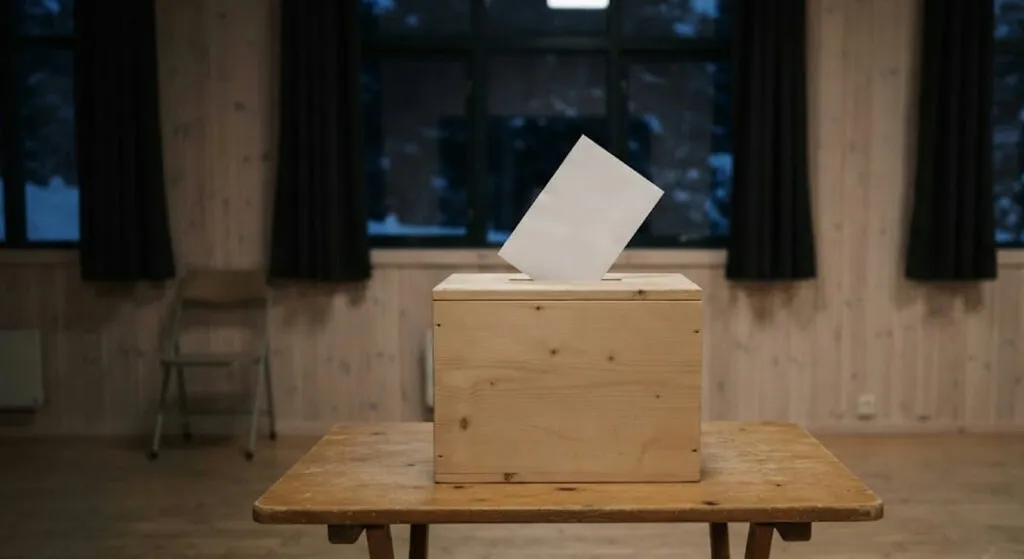
A country that was Europe's byword for stability for decades now has a parliament split into two blocs by a...
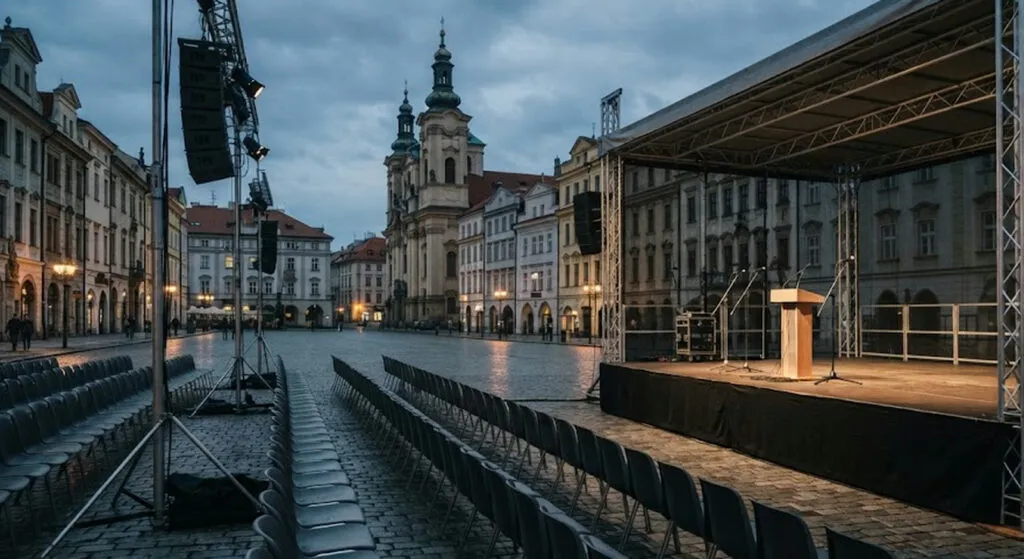
Sixteen years in power, defeat at a regular election, five months of quiet - and now the election result is...
This site uses cookies - is that okay? Learn more
Be the first to know when Metla launches something new
Leave your email and we will write when there is a new guide or something new on Metla.