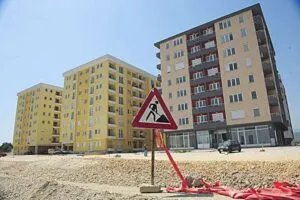
A New Criminal Complaint Against Jakimovski: A Building Permit Based on a Plan Struck Down Back in 2018
16.09.2026


16.09.2026
16.09.2026

16.09.2026
16.09.2026
16.09.2026
16.09.2026

16.09.2026

15.09.2026

14.09.2026

16.09.2026

16.09.2026

15.09.2026

16.09.2026

15.09.2026

14.09.2026

16.09.2026

16.09.2026

16.09.2026

16.09.2026

15.09.2026
15.09.2026

09.03.2026

27.02.2026

19.02.2026
16.09.2026

15.09.2026
14.09.2026

23.04.2026

23.04.2026

12.04.2026

A question of disarming simplicity was sent by Maria Zakharova, spokesperson for the Russian Foreign Ministry, to the Armenian leadership: "Whose side are you on?". This is not diplomatic phrasing. It is the language the Kremlin uses when partnership turns into a settling of accounts.
"Russian society remembers, with deep bitterness, that Armenia - which we were used to considering a friendly, brotherly country - has served as a platform for terrorists," Zakharova said. The context: Yerevan received a person Moscow considers a hostile element, while Armenian Prime Minister Nikol Pashinyan increasingly looks toward Brussels and less toward the Kremlin.
Armenia in 2024 suspended its membership in the ODKB (Russia's military bloc), after Moscow failed to intervene during the Azerbaijani attack on Nagorno-Karabakh. A formal statement of intent to join the EU followed. The recent Armenia-EU summit produced a joint declaration acknowledging that aspiration. Putin warned in April that Armenia cannot simultaneously be in the EU and in the Russian customs union. Now Zakharova is sharpening the tone.
"None of the current Armenian leadership ignored Zelensky. So whose side are you on?" - was Zakharova's second blow. Translation: if you are comfortable with the Ukrainian president, do not expect us to view you as allies. That is the bedrock of diplomacy - you cannot sit on two chairs in a war the world is demanding clear positions on.
For the Balkans this is a cautionary tale. Countries that depended on Moscow for energy, security or political support are now living their own versions of this dilemma. Serbia still officially refuses to choose. Bulgaria and Romania have long been on the western side. Armenia is the example of what happens when a small country decides to break the link - the price is political accusation from the side it once depended on.
Does this mean Armenia will abandon everything Russian? No. But it means the era of single-track alliances in the "post-Soviet space" is over. Moscow understands that now - and is searching for those it can still discipline with the language of kinship. The question is whether that will work in an era where every small partner has options, and where Brussels offers alternatives that were not available before.
The latest 10 news from this category

Sanctions imposed over one war are being offered as currency in an entirely different dispute. Most member states are against...
El Nino in the Pacific shifts the currents that decide where snow falls. An area that usually gets a metre...
The easiest way to dismiss an uncomfortable argument is to point at who is making it. But that does not...
The appeals court ruled the entire trial must start over. The son of Norway's queen is waiting for it on...
Trump scaled back the military exercises to ease the tension, and Wonsan answered in the form of projectiles. What does...

The sanctions list got a seven-day extension instead of one measured in months, a move diplomats themselves call unprecedented. Two...
Switzerland offered a table for talks on Ukraine, Moscow replied that the table stopped being neutral once Bern adopted EU...
The will says one thing, a committee of twenty-one men decided another. The queen mother says the army pulled the...
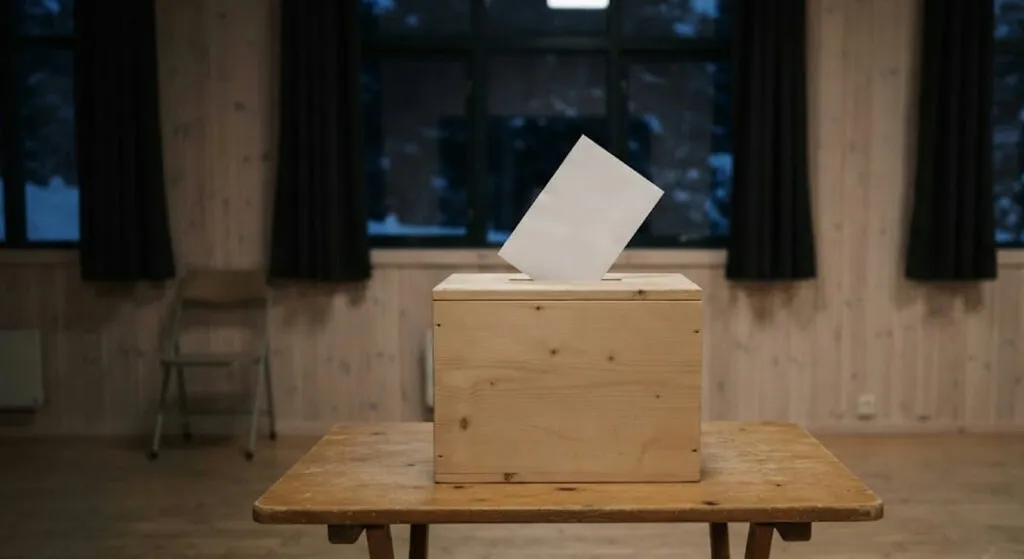
A country that was Europe's byword for stability for decades now has a parliament split into two blocs by a...
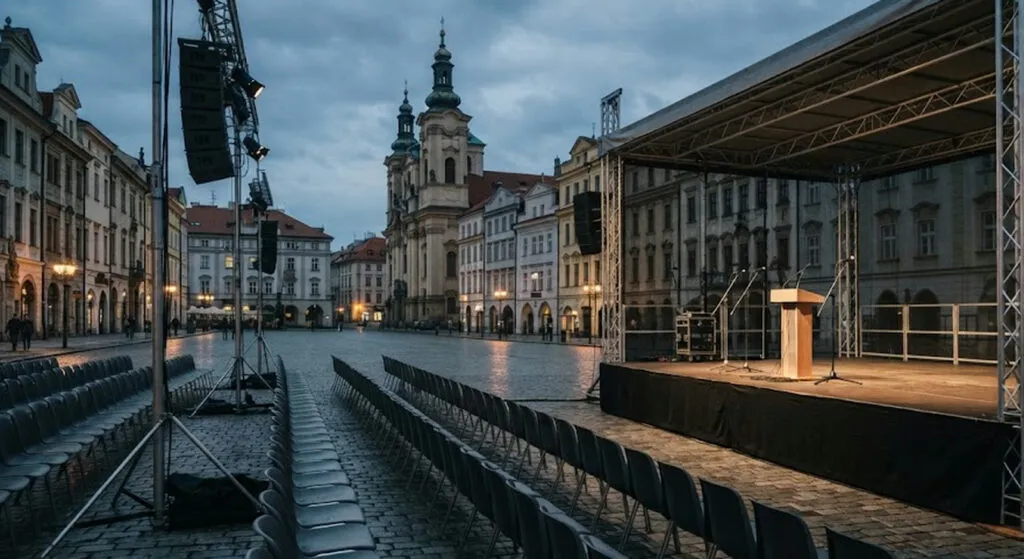
Sixteen years in power, defeat at a regular election, five months of quiet - and now the election result is...
This site uses cookies - is that okay? Learn more
Be the first to know when Metla launches something new
Leave your email and we will write when there is a new guide or something new on Metla.